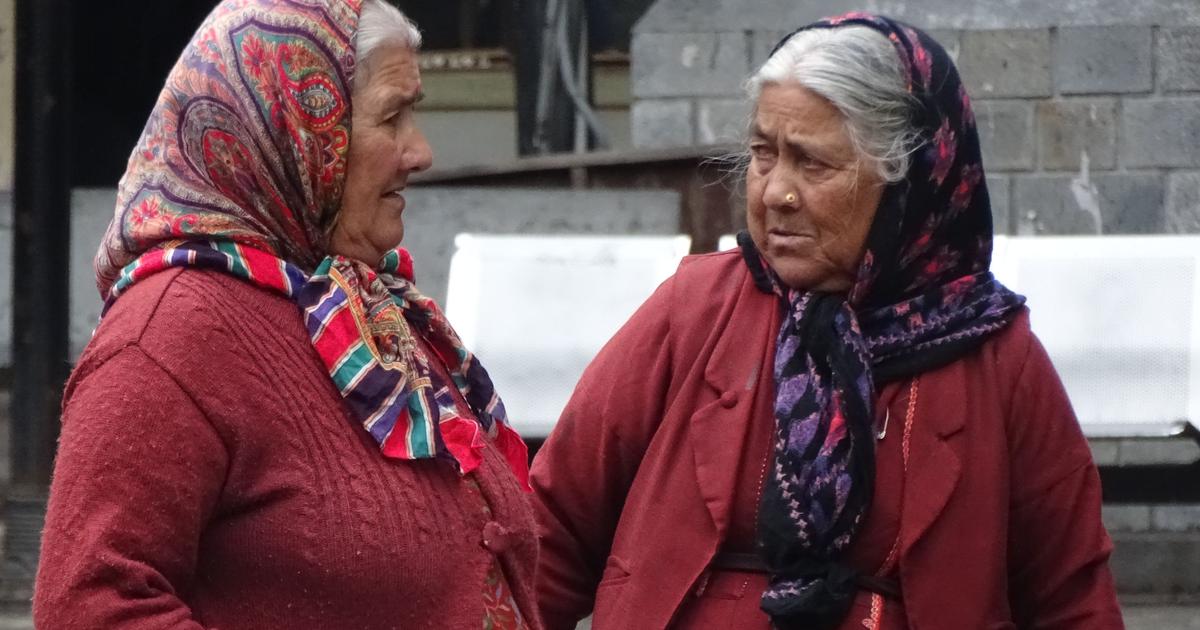
In an enlightening exploration of longevity among Indians, a new research initiative has focused on the genetics of individuals aged 85 and older, commonly referred to as long-lived individuals (LLIs). This study sheds light on the distinctive genetic variants linked with an extended life span, significantly contributing to our understanding of health and aging in the Indian context.
Central to this research is GenomegaDB, a specialized genetic database designed to capture the genetic diversity prevalent within the Indian population. Historically, Indian genomes have been underrepresented in global genetic research, leading to gaps in the understanding of population-specific health traits. GenomegaDB aims to fill these gaps by mapping the genetic markers that influence longevity and healthspan among Indians.
The findings of this groundbreaking study reveal several unique genetic variants that are more frequently present in LLIs compared to their younger counterparts. For instance, variants associated with a lower risk of osteoporosis (ESR1), a slower heart rate (MYH6), and reduced anxiety (HSPA5) were notably prevalent among long-lived individuals. These genetic traits are crucial as they contribute to better cardiovascular, skeletal, and mental health, which in turn supports a longer and healthier life.
Interestingly, the research also identified variants linked to higher risks of certain health conditions, such as atrial fibrillation (GORAB-PRRX1) and schizophrenia (RIMS1-KCNQ5), which were found to be less common in LLIs. This suggests that the avoidance of such risk factors could play a protective role in promoting longevity. Additionally, the study noted that many LLIs possessed genetic markers for shorter stature, which could be beneficial in some contexts. Reduced levels of growth hormone and IGF-1 activity, coupled with potentially lower caloric needs, may correlate with improved cardiovascular health, thereby contributing to a longer lifespan.
Key genes such as FOXO3A and APOE have surfaced as significant players in the longevity equation. The FOXO3A gene, known for its role in regulating stress resistance and longevity, along with the APOE gene, which is often linked to lipid metabolism and Alzheimer’s disease, have shown promising associations with the health and lifespan of the elderly population in India. These findings emphasize the intricate interplay between genetics and health outcomes, underscoring the need for more focused research in this area.
As the Indian population ages, the insights garnered from this research could be invaluable for public health initiatives aimed at promoting healthy aging. With the potential to refine our understanding of aging processes and related health issues, such studies bring forth a beacon of hope for enhancing the quality of life for future generations. By recognizing and harnessing these genetic pathways, strategies can be developed to mitigate the impacts of age-related diseases and foster a healthier society.
In conclusion, the exploration of genetics in the context of longevity holds great promise for improving health outcomes in India. As we delve deeper into the genetic factors underpinning a long and healthy life, it becomes increasingly clear that understanding our unique genetic makeup is essential for creating effective health policies and interventions tailored to the Indian demographic.