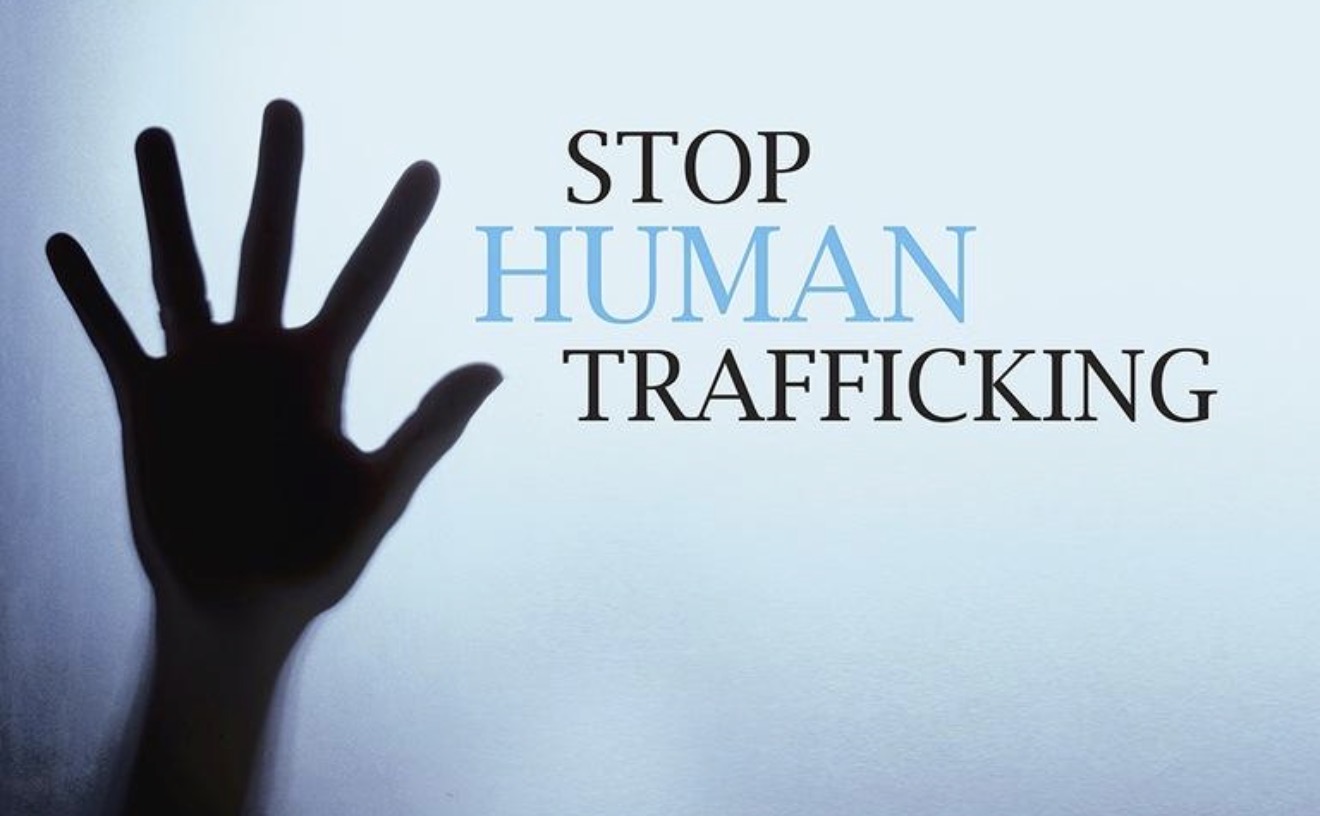
Sexual Trafficking: Facts, Realities, and the Fight Against Exploitation
Sexual trafficking is one of the most serious human rights violations in the modern world. It involves the recruitment, transportation, or harboring of individuals through force, fraud, or coercion for the purpose of sexual exploitation. Despite global awareness, it continues to affect millions of people, particularly women and children.
⸻
What Is Sexual Trafficking?
Sexual trafficking is a form of modern slavery. According to the United Nations Office on Drugs and Crime, it occurs when individuals are exploited in the sex trade against their will or without informed consent.
Victims are often manipulated through:
• False job promises
• Emotional coercion or relationships
• Threats, violence, or debt bondage
It is important to understand that consent becomes irrelevant when coercion or deception is involved.
⸻
Global Facts and Statistics
Published global reports reveal the scale of the issue:
• The International Labour Organization estimates that millions of people are trapped in forced sexual exploitation worldwide
• Women and girls make up the majority of trafficking victims, especially in sexual exploitation cases
• According to the United Nations Office on Drugs and Crime, children account for a significant and increasing proportion of victims globally
• Trafficking occurs both within countries and across international borders
These figures highlight that sexual trafficking is not limited to any one region—it is a global crisis.
⸻
Situation in India
In India, sexual trafficking remains a critical concern due to socio-economic inequalities and population density.
• Thousands of cases are reported annually, though many go unreported
• Victims are often trafficked from rural to urban areas
• Poverty, lack of education, and gender inequality increase vulnerability
Government agencies and NGOs actively work on rescue, rehabilitation, and awareness, but challenges remain due to the hidden nature of the crime.
⸻
Causes and Risk Factors
Research shows that several interconnected factors contribute to sexual trafficking:
• Poverty and unemployment
• Lack of education and awareness
• Gender discrimination
• Migration and displacement
• Family breakdown or abuse
Traffickers often target individuals in vulnerable situations, offering false opportunities that lead to exploitation.
⸻
Impact on Victims
The consequences of sexual trafficking are severe and long-lasting:
• Physical abuse and health issues
• Psychological trauma, including anxiety and depression
• Social isolation and stigma
• Loss of education and future opportunities
Recovery often requires long-term medical, psychological, and social support.
⸻
Legal Framework and Action
Countries around the world have introduced laws to combat trafficking. In India, laws such as the Immoral Traffic (Prevention) Act aim to prevent exploitation and punish offenders.
International efforts led by organizations like the United Nations promote cooperation between countries, strengthen law enforcement, and support victims.
⸻
Prevention and Awareness
Experts emphasize that prevention is key to ending trafficking:
• Public awareness campaigns to identify and report suspicious activities
• Education and empowerment of vulnerable communities
• Stronger law enforcement and border control
• Support systems for survivors, including rehabilitation programs
Communities play a vital role in recognizing early warning signs and protecting at-risk individuals.
⸻
Conclusion
Sexual trafficking is a hidden but widespread crime that violates basic human dignity and freedom. Fact-based reports from global organizations reveal its alarming scale and impact. Combating it requires a united effort—governments, organizations, and individuals must work together to prevent exploitation, protect victims, and ensure justice.
Raising awareness is not just important—it is essential in the fight to end sexual trafficking and build a safer, more just world.