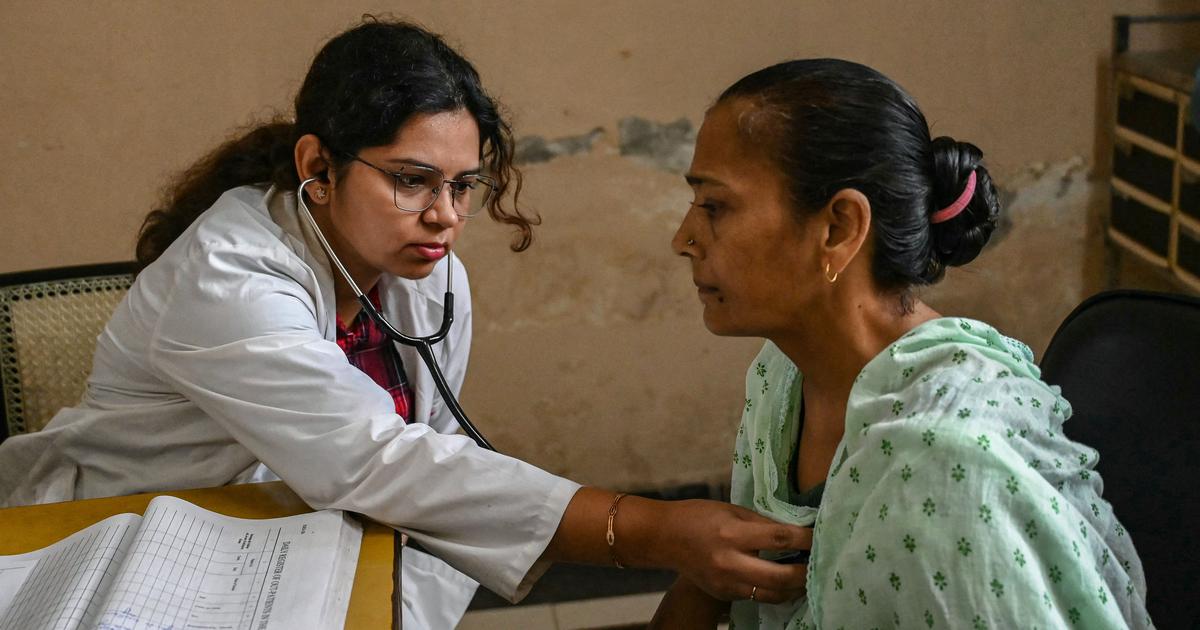
The narrative surrounding a chronic shortage of doctors in India has gained significant traction in recent years, overshadowing critical discussions about the nation’s public health infrastructure. A recent examination of India’s medical education policies reveals that the persistent claims of doctor shortages stem from a flawed understanding bolstered by a fictitious World Health Organization guideline. This fabricated ‘ideal’ doctor-to-population ratio of 1:1,000 has been misleadingly cited by Indian policymakers for over a decade, influencing decisions that have vastly expanded the number of medical colleges across the country.
In 2025, while scrutinizing the surge in medical colleges, it became evident that the push for more doctors was based on an imaginary norm rather than empirical data. Despite the increase in medical institutions and practitioners, the assertion that India is still facing a shortage of biomedical or allopathic doctors persists. This contradiction raises questions about the consistency and reliability of health policy discourse in the country. A decade ago, experts from the All India Institute of Medical Sciences (AIIMS) confidently declared that the doctor-population ratio had already surpassed the country’s requirements. Fast forward to 2012, and the narrative shifted dramatically, with claims of an ‘abysmally low’ ratio gaining prominence.
Such drastic changes in the perception of doctor availability point to a troubling phenomenon known as policy amnesia. The public health conversation in India has oscillated between extremes, creating confusion and undermining the actual health needs of the population. In line with this inconsistency, health indicators continue to show that India grapples with some of the poorest health outcomes globally, alongside significant health disparities that rank among the highest worldwide.
Rather than focusing solely on the quantity of doctors, it is imperative to address the underlying issues plaguing the public health system. The relentless push for more medical colleges and doctors may create an illusion of progress, but without relevant infrastructure, training, and equitable healthcare access, these numbers do little to alleviate the real challenges faced by the healthcare system. It is essential to realign the discourse towards enhancing healthcare delivery, fostering better training programs, and ensuring that existing healthcare personnel are utilized effectively.
Ultimately, it is time for Indian policymakers and health experts to critically evaluate the underlying factors contributing to the country’s public health crisis. Instead of perpetuating the myth of a doctor shortage, a comprehensive assessment and strategic overhaul of the healthcare landscape should take precedence. Only then can India hope to bridge the gap in health outcomes and move towards a more equitable healthcare future for all its citizens.