




Delayed Monsoon Onset Raises Concerns Over Water Scarcity and Rising Temperatures in India
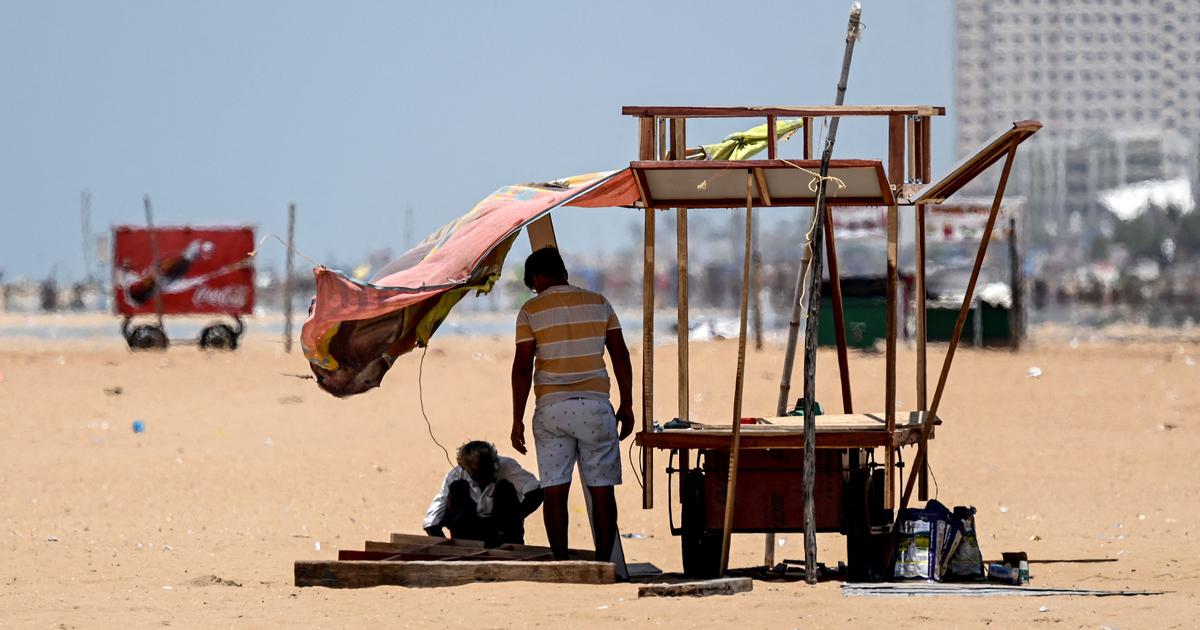
The late arrival of the southwest monsoon is causing alarm across various regions of India, with experts warning of potential water shortages and soaring temperatures. The situation has been exacerbated by the El Niño phenomenon, known for altering weather patterns globally, particularly influencing monsoon rainfall in the subcontinent.
According to the latest data from the India Meteorological Department (IMD), the monsoon has made its way into southern Maharashtra, parts of Odisha, and certain regions of West Bengal and Bihar. However, this year’s advance is notably lagging behind the normal schedule, with areas like Mumbai and southern Madhya Pradesh experiencing delays of at least four days.
The rainfall situation is alarming; from June 4 to June 15, the country recorded only 19.2 mm of precipitation against an anticipated 53.7 mm, resulting in a staggering deficit of 64.2%. This shortfall raises serious questions about water availability for agriculture, drinking, and other essential uses, especially as summer temperatures continue to soar.
The IMD has indicated that conditions may soon become favorable for the monsoon’s progression into more areas, including Telangana, Jharkhand, and parts of Chhattisgarh over the next few days. However, the prevailing uncertainty about the El Niño’s effects looms large, leaving farmers and local communities on edge as they await the rains that are vital for their livelihoods.
As the nation watches the skies, the interplay between climate phenomena and regional weather patterns becomes increasingly critical. Understanding the factors at play will be essential for farmers, policymakers, and citizens alike, as India grapples with the dual challenges of climate change and a burgeoning population that relies heavily on monsoon rains for sustenance.

