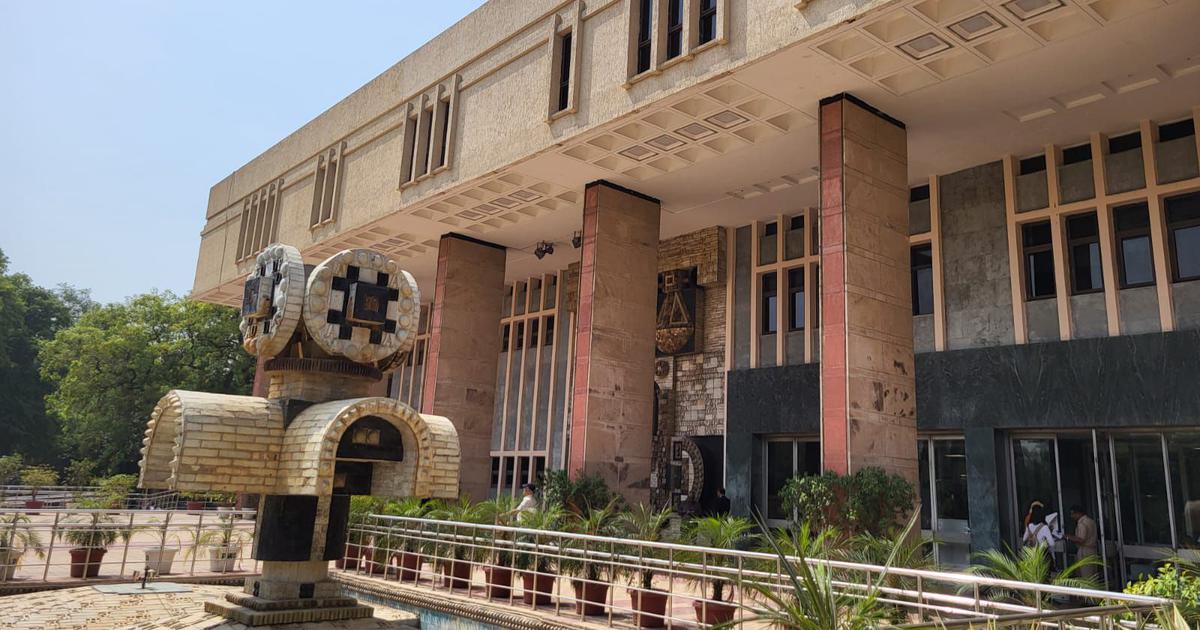
The Delhi High Court has affirmed the Union government’s decision to impose a ban on the messaging app Telegram, effective until the day after the re-examination for the undergraduate National Eligibility cum Entrance Test (NEET) for medical college admissions. The court ruled that the government adhered to the established protocols under the Information Technology Act, given the ’emergency nature’ of the directive.
Telegram contested the ban, arguing in its legal petition that it was unfairly singled out, which they claimed violated Article 14 of the Indian Constitution—ensuring equality before the law. The court’s ruling has significant implications for digital communication and privacy rights in India, underscoring the contentious balance between national security and individual freedoms.
In another noteworthy legal development, the Supreme Court of India has declared that using designated footpaths safely is a fundamental right. The court posited that pedestrians must take precedence over vehicles on footpaths. While acknowledging that the right to walk might be subject to reasonable limitations, the bench emphasized that public spaces should not be monopolized by vehicles, a decision that emphasizes the necessity of pedestrian rights amid growing urban vehicular congestion.
In a separate incident in Jalna district of Maharashtra, a principal and two teachers are facing legal action due to a performance by students at a school event, which involved a song alleged to be of Pakistani origin. The principal, Wazhiyoddin Siddiqui, defended the song, asserting it was actually from the popular Turkish television series ‘Ertuğrul.’ The event took place in February 2025 and has since ignited a controversy that raises questions about cultural sensitivity and national integrity.
Officials have filed charges against the educators for purportedly undermining the sovereignty, unity, and integrity of India, as well as promoting enmity between groups. This situation highlights the growing scrutiny surrounding educational institutions and their role in shaping cultural narratives in a diverse nation like India. The accusations underscore the delicate balance between cultural expression and national sentiment, a topic that continues to stir debate across various sectors of society.
As these stories unfold, they reflect the complexities of governance, rights, and cultural identity in contemporary India, inviting further discussion on how technology and education intersect with national values.