Election Commission Launches Third Phase of Voter Roll Revision in 16 States and 3 Union Territories
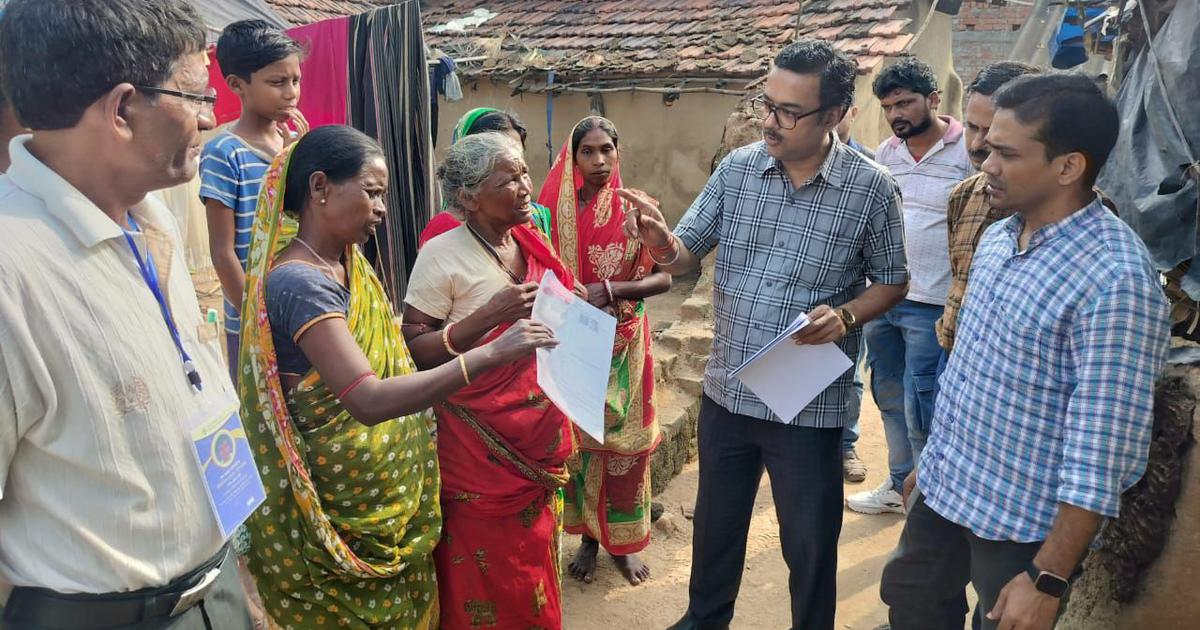
The Election Commission of India has formally initiated the third phase of a special intensive revision of electoral rolls, covering 16 states and three Union Territories. This significant move is aimed at ensuring updated and accurate voter lists across the nation.
This latest phase completes the exercise in nearly all states and Union Territories, with the notable exception of Himachal Pradesh, Jammu and Kashmir, and Ladakh. The Election Commission has stated that the roll revision for these regions will occur at a later date, primarily due to ongoing census activities and adverse weather conditions affecting the area.
As the electoral rolls stand, a staggering 36.7 crore voters are currently registered within the regions involved in this latest phase. In total, the first two phases of the revision process have already accounted for nearly 59 crore electors. The first phase, which took place in Bihar from July to September in preparation for the upcoming Assembly elections, saw approximately 47 lakh voters being removed from the final electoral roll, raising concerns about voter disenfranchisement.
The second phase of the roll revision included twelve states and Union Territories, among which West Bengal, Tamil Nadu, and Uttar Pradesh were prominent. In West Bengal alone, around 91 lakh voters — nearly 11.9% of the total electorate — faced removal from the rolls as of early April. This has led to considerable unrest, with around 34 lakh appeals pending in various tribunals. Notably, 27 lakh of these appeals were submitted by individuals who found themselves excluded from voter lists, highlighting the anxiety surrounding the validity of the electoral process.
The Election Commission, while undertaking this revision, aims to not only ensure that the voter lists are comprehensive and accurate but also to address the concerns of disenfranchisement among the electorate. As the nation gears up for various state elections, the importance of a fair and transparent electoral process cannot be overstated. The involvement of the public in this process through appeals and feedback is a crucial part of safeguarding the democratic rights of citizens.