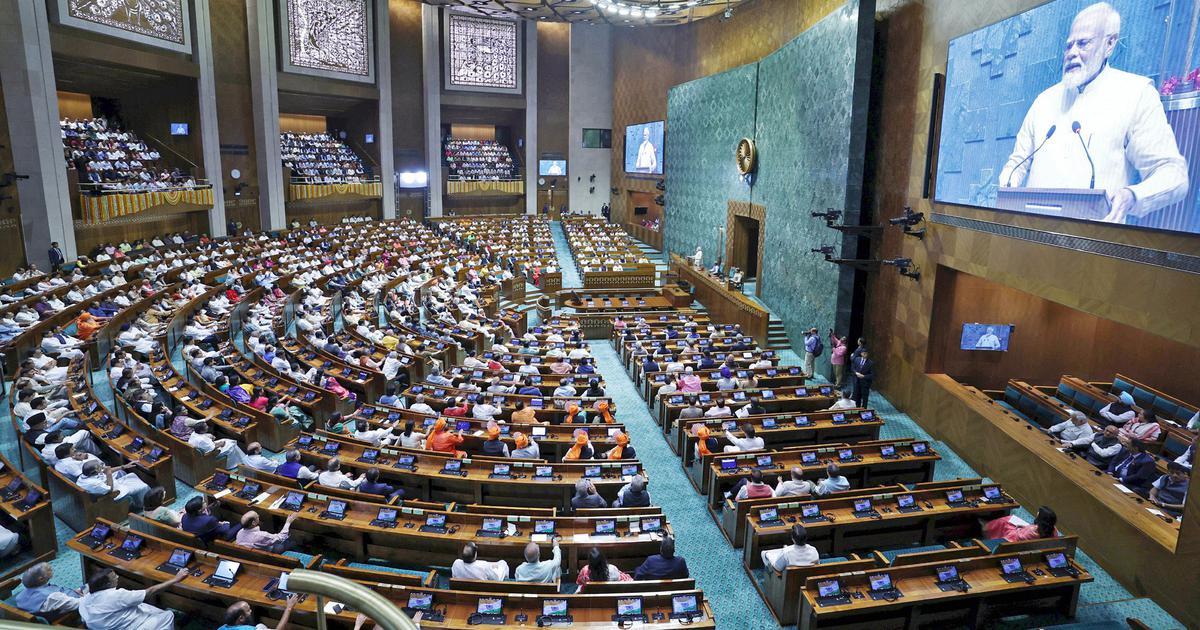
At the heart of India’s democratic framework lies a paradox that has become all too familiar. Every five years, citizens hold the power to choose their representatives, basking in the glory of being the sovereign rulers of the electoral process. During this brief period, political parties vie for their attention, leaders exalt their significance, and the rhetoric of ‘jan shakti’—people’s power—fills the air. However, once the votes are tallied and results declared, this fleeting empowerment diminishes, and the electorate finds itself relegated to mere spectators in the political arena.
After the elections, the elected representatives wield significant power over critical aspects of governance—taxation, infrastructure, education, healthcare, land use, and legal frameworks—without any substantial input or accountability from the very citizens who elected them. This absence of continuous engagement and oversight creates a disconnect between the populace and their leaders, leading to a governance model that resembles an elective oligarchy more than a true democracy. It becomes apparent that the electoral process, while vital, is often reduced to a ritualistic transfer of authority from the electorate to a select group of politicians.
The act of voting, in many respects, marks both the commencement and the boundaries of democratic engagement in India. In numerous constituencies, it can also descend into a transactional exercise, influenced by money, alcohol, caste dynamics, and the specter of communal tensions. A stark illustration of this phenomenon was highlighted by the Centre for Media Studies, estimating that political parties and candidates collectively spent a staggering Rs 100,000 crore in the lead-up to the 2024 Lok Sabha elections. Such monumental expenditures raise questions about the integrity of the electoral process and the genuine representation of the people’s voice.
Anand Teltumbde, a noted social critic and author, emphasizes the urgent need for a paradigm shift in Indian democracy. He argues that instead of merely increasing the number of Members of Parliament, what is truly required is a robust mechanism that allows citizens to have a more significant and sustained influence on governance. This could involve establishing platforms for consistent dialogue between the electorate and their representatives, fostering an environment where accountability is not just demanded during elections but is an ongoing expectation throughout their term.
To facilitate this shift, Teltumbde advocates for institutional reforms that prioritize citizen participation in decision-making processes. By empowering citizens to have a more significant say in governance, the Indian political landscape could evolve beyond the traditional power dynamics, leading to a more inclusive and participatory model of democracy. It is imperative for the electorate to reclaim their sovereignty, ensuring that their voices resonate not just once every five years, but continuously in the corridors of power.