Exploring Feminine Agency: Romila Thapar’s Memoir ‘Just Being’ Highlights the Journey of an Independent Woman
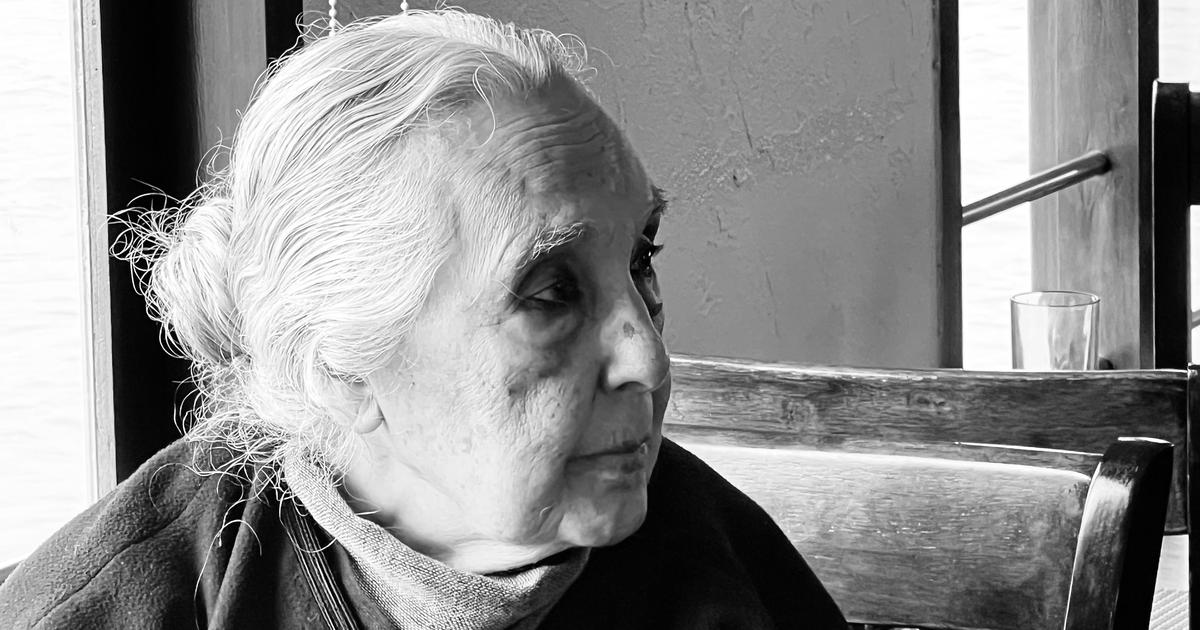
In a recent special lecture at Miranda House, Delhi University, renowned historian and academic Romila Thapar captivated a packed audience while discussing Kalidasa’s classic work, Abhijnana-Shakuntalam. Clad in an elegant black ensemble, with her signature white hair styled in a bun and adorned with striking silver jewelry, Thapar’s presence was as commanding as her intellect.
The lecture was not merely an academic discourse but a deep dive into the narrative of Sakuntala, a character whose depiction raises pertinent questions about gender roles and societal expectations. Thapar dissected the differences between Sakuntala’s portrayal in the epic Mahabharata and Kalidasa’s interpretation, highlighting the stark contrast in agency and autonomy between the two narratives.
While Sakuntala in the Mahabharata embodies strength and independence, the version presented in Kalidasa’s work reveals a woman whose fate is bound by patriarchal constraints. Thapar elucidated how Sakuntala, in her quest for recognition and legitimacy, often conformed to the dictates of a male-dominated society, thereby reflecting the struggles faced by women throughout history. This intricate analysis not only sheds light on the character’s complexities but also serves as a commentary on the enduring impact of gender norms through the ages.
The discussion resonated with the students, many of whom were eager to engage with Thapar’s insights. As they listened intently, the room buzzed with a palpable energy, underscoring the relevance of Thapar’s themes in today’s context where discussions around women’s rights and empowerment are more crucial than ever.
Romila Thapar’s memoir, titled Just Being, offers readers a glimpse into her own life and the fearless stance she has taken in academia and beyond. It reflects her journey as an autonomous woman navigating the complexities of a male-dominated field, while advocating for critical analysis of cultural texts. Her work continues to inspire new generations to challenge the status quo and seek deeper understanding of historical narratives.