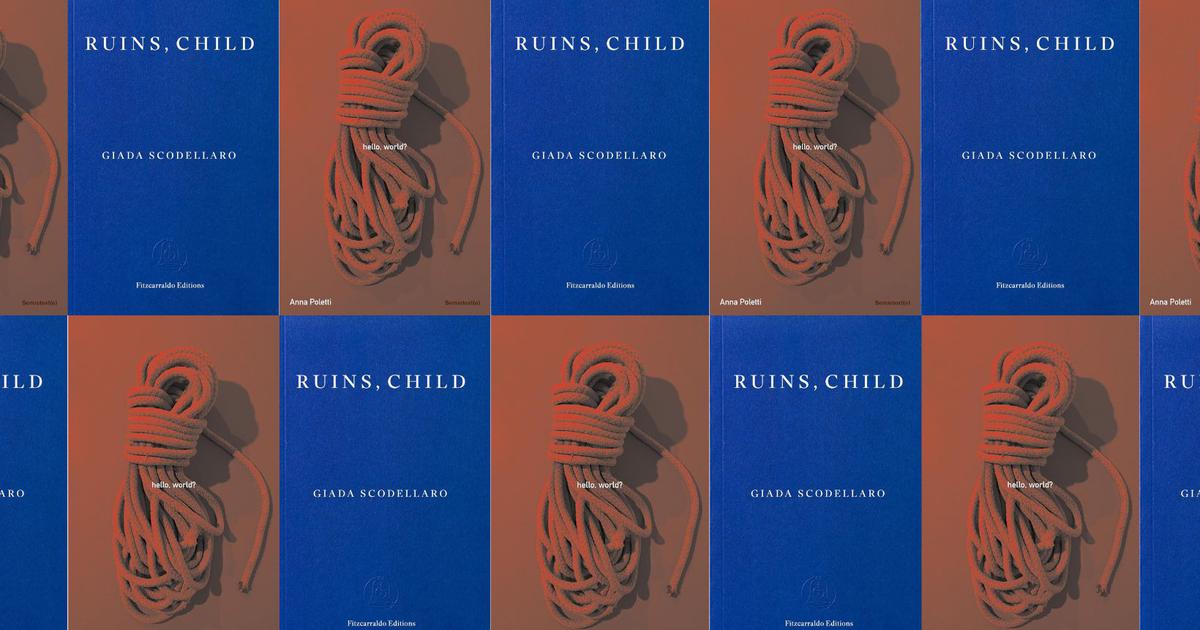
In the ever-evolving landscape of contemporary literature, two new novels have emerged that challenge traditional narrative conventions and present contrasting visions of the avant-garde. Giada Scodellaro’s Ruins, Child and Anna Poletti’s Hello, World? both break away from conventional storytelling methods, offering readers a unique glimpse into the realms of Black feminist thought and queer experiences.
Scodellaro’s Ruins, Child, which recently garnered the prestigious 2024 Novel Prize, intricately weaves a rich tapestry of Black feminist poetry, theory, and prose. The novel is characterized by its exploration of the concept of “lateness,” delving into themes of identity and belonging within a historical context that often overlooks these narratives. Scodellaro’s work is a bold statement that not only highlights the contributions of Black women in literature but also pushes the boundaries of how stories can be told.
On the other hand, Poletti’s Hello, World? takes a different route, diving into the intricacies of queer eroticism and the complexities of domination and submission. This introspective narrative dissects personal relationships and the emotional turbulence that accompanies them. Poletti’s novel invites readers to question the very nature of personal progress, illustrating how these intimate bonds can be both liberating and confining.
What unifies these two works, despite their stark differences in themes and styles, is their unconventional structural approach. Both authors eschew the traditional chapter and paragraph formats, favoring fragmented storytelling that reflects the chaotic nature of modern existence. This experimental style situates them within the avant-garde tradition—a term that has evolved from its military roots, originally describing scouts who ventured into uncharted territories. In the literary context, avant-garde artists are often seen as pioneers, challenging existing norms and striving for a liberated future.
However, it is essential to note that neither Ruins, Child nor Hello, World? explicitly seeks to incite revolution or radical political change. Instead, they inhabit a space of political melancholy, reflecting the complexities and uncertainties of contemporary life. Their narratives do not offer easy solutions or triumphant resolutions but rather invite readers to engage in a deeper understanding of the struggles that define the human experience.
As Indian readers increasingly seek diverse voices and narratives, these works resonate with the cultural fabric of our society, where issues of identity, freedom, and personal growth are ever-relevant. The avant-garde literature of today, as exemplified by Scodellaro and Poletti, serves as a reminder that storytelling can take myriad forms, and the exploration of uncomfortable truths can lead to profound insights.