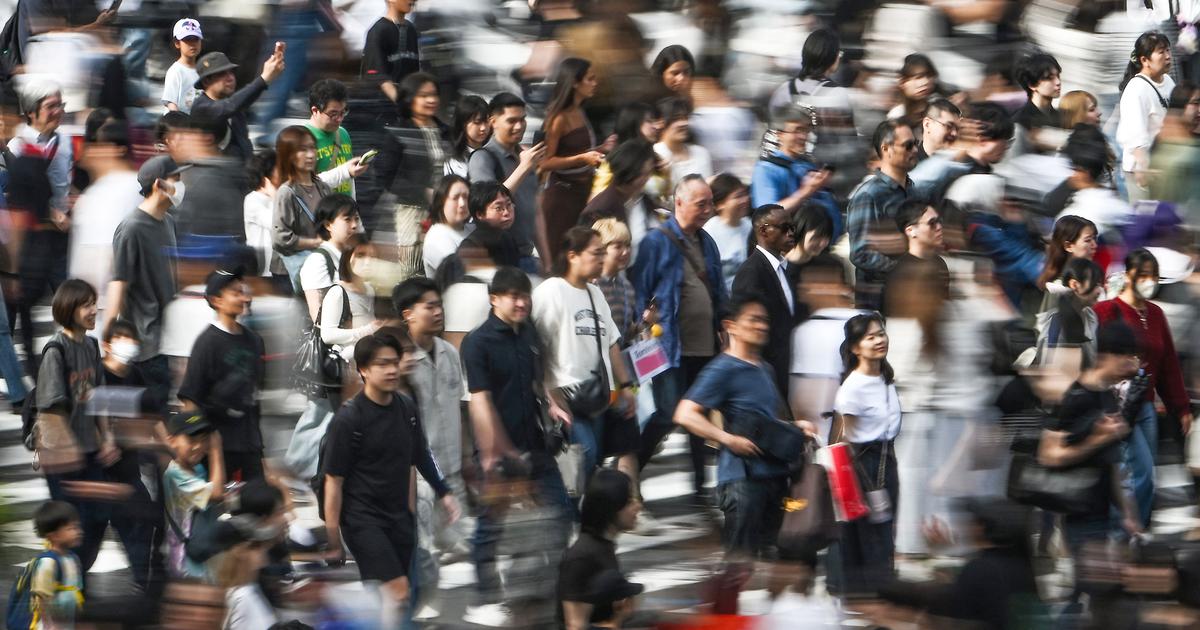
Japan is witnessing an unprecedented influx of foreign nationals, with its demographic landscape undergoing notable changes. The country, known for its homogeneous society, is grappling with a shrinking population and an ageing workforce, leading to an increased reliance on foreign labor. Additionally, the number of international tourists visiting Japan has surged, placing considerable pressure on local customs and lifestyles. As a result, the nation is now competing with popular tourist destinations like Bali, especially for Australian travelers.
Despite this dramatic increase in foreign presence, Japan’s government has historically shied away from acknowledging the nation as an immigration society. For the past two decades, administrations have been hesitant to implement comprehensive policies aimed at integrating immigrants or promoting social inclusion, preferring instead to view foreign workers through a narrow lens of economic necessity.
However, the recent surge in foreign nationals has shifted the narrative significantly. Debates surrounding immigration and foreigners in Japan have moved from a rarely discussed policy matter to a prominent topic in public discourse. A recent survey conducted among 1,500 Japanese adults in February, following the lower house elections, has unveiled revealing insights into the Japanese public’s sentiments regarding foreigners.
The survey results highlight a concerning trend: nearly two-thirds of participants advocate for stricter regulations on foreign land purchases and express the expectation that foreigners adhere to Japanese customs and rules. This perspective is prevalent across various demographics, including gender, education levels, and income brackets. Notably, the only significant deviation is based on age; younger Japanese citizens appear to hold more progressive and tolerant views towards foreigners, suggesting a generational shift in attitudes.
The influx of foreign workers and tourists appears to be catalyzing a broader discussion about national identity and belonging in Japan. Older generations, having grown up in a largely homogeneous society, often harbor apprehensions about the changing demographics. In contrast, younger individuals, exposed to global cultures and ideas, are more receptive to diversity and multiculturalism. This divergence in perspectives raises important questions about the future of Japan’s social fabric as it navigates the complexities of globalization.
As Japan continues to evolve with its growing foreign population, the challenge lies in finding a balance between maintaining cultural integrity and embracing diversity. The government’s reluctance to formally recognize Japan as an immigration society may hinder the development of effective integration policies. The need for a robust dialogue about immigration, inclusiveness, and the realities of a multicultural society is more pressing than ever. As attitudes shift and the debate intensifies, Japan stands at a crossroads, with the potential to shape its future identity in a rapidly changing world.