Mumbai’s dining scene presents a fascinating juxtaposition of tradition and innovation, particularly in its food offerings. Despite the city’s vibrant culinary diversity, a curious phenomenon persists: a segment of its elite continues to indulge in dishes that hark back to the colonial era. Nearly 80 years post-independence, one has to wonder why certain populations opt for bland, boiled meals smothered in white sauce, such as Chicken Cecilia and Shepherd’s Pie, instead of exploring the rich tapestry of flavors available in this bustling metropolis.
In her enlightening new book, ‘In the Beginning There Was Bombay Duck,’ Pronoti Datta, a keen observer of Mumbai’s gastronomic heritage, delves into the reasons behind this culinary dichotomy. She refrains from casting judgment on the tastes of these Mumbaikars, instead illuminating the fascinating history behind the city’s Continental cuisine. Through her exploration, Datta finds that beyond the uninspired offerings of the colonial past lies a world brimming with unique and delightful gastronomic creations.
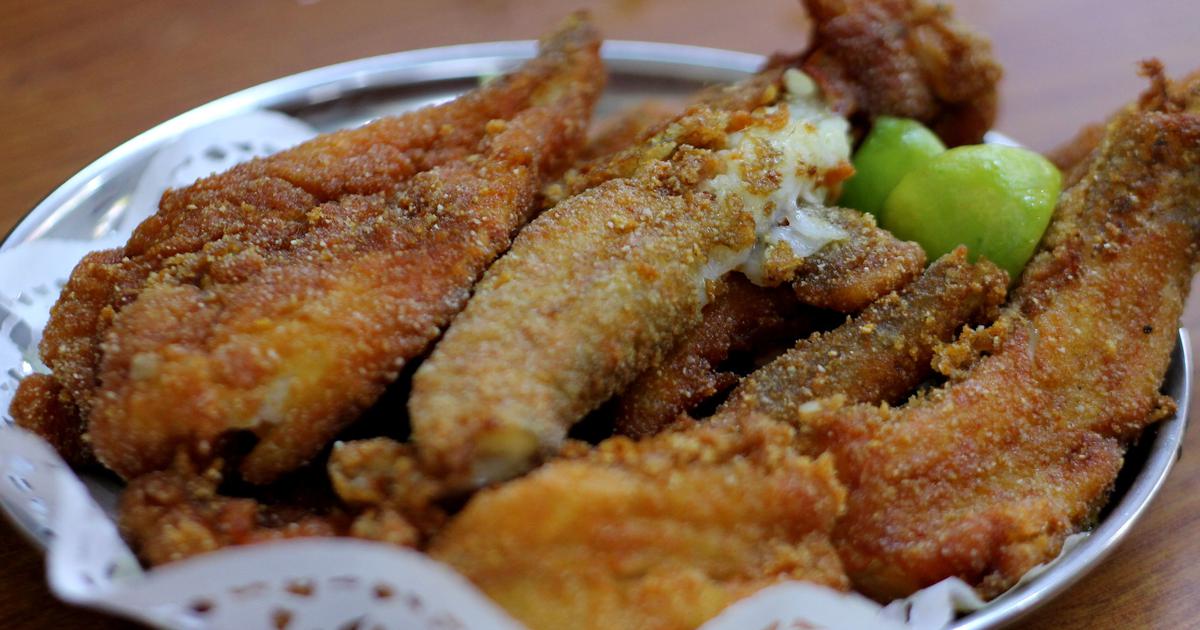
One cannot overlook the creativity that characterizes Mumbai’s kitchens today. Datta highlights innovative dishes that reflect the city’s multicultural essence—like shrimp nestled within banana cake, eggs layered atop bananas, and a biryani reinvented with local ingredients such as patrel. Moreover, the ubiquitous Bombay duck, a staple in local eateries, showcases the city’s maritime bounty and culinary adaptability.
During her conversation on the podcast ‘Past Imperfect,’ Datta recounts how Mumbai’s food scene evolved through colonial influences while simultaneously absorbing local flavors and practices. This blending of culinary traditions is not merely a story of survival; it is a testament to the resilience and creativity of the city’s culinary artists. They have successfully transformed historically bland recipes into vibrant dishes that tell the story of Mumbai—a city that thrives on diversity.
As we continue to navigate the complexities of identity and culture through food, Pronoti Datta’s insights provide an invaluable lens into understanding how Mumbai’s dining landscape has transformed over the decades. From the colonial remnants still hanging on in certain circles to the explosion of innovative tastes waiting to be discovered in the streets, the evolution of Mumbai’s cuisine is a captivating narrative that deserves to be savored.