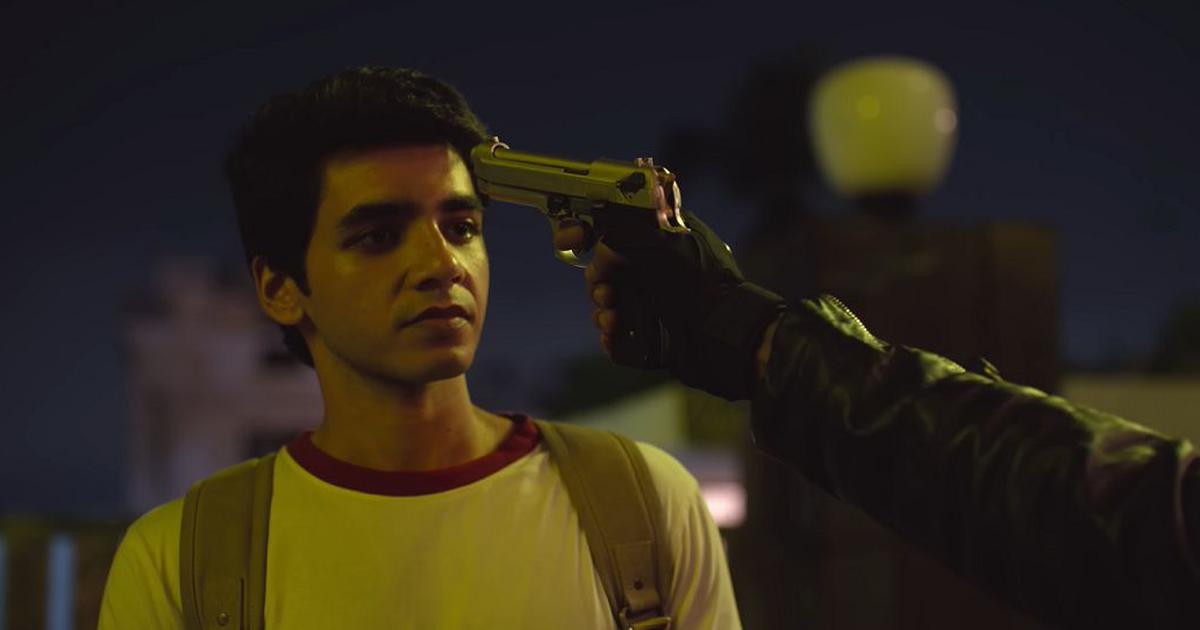
‘Lukkhe’, the latest series streaming on Prime Video, invites viewers into the vibrant yet tumultuous landscape of Chandigarh, where the pulsating beats of Punjabi rap serve as both a soundtrack and a narrative device. Created by Agrim Joshi and Debojit Das Purkayastha, this eight-episode venture ambitiously intertwines themes of drug addiction, crime, and the struggles of youth, aiming to capture the essence of a generation grappling with its demons.
The series kicks off on a familiar note for many Punjabis: a hockey field. It’s a symbolic representation of Punjab’s youth culture, immediately immersing us in the life of Lucky, played by Lakshvir Singh Saran. As a promising college hockey player, Lucky finds himself at the crossroads of ambition and vice. One fateful night of indulgence spirals into tragedy, setting him on a quest for repentance and ultimately, rehabilitation.
Central to Lucky’s journey is Sanober, portrayed by Palak Tiwari, a fellow resident at the rehabilitation center. Their shared struggles with addiction foster a bond that gradually matures into something deeper. However, as Lucky navigates his recovery, he is pulled back into the world of rap music and drug dealing, posing significant challenges to his relationships with his single mother, Sanober, and a determined cop, played by Raashii Khanna, who is committed to eradicating drug abuse from Punjab.
Adding layers to this complex narrative are the rivalries within the rap scene, particularly the feud between Badnaam, played by King, and OG, portrayed by Shivankit Singh Parihar. Their conflict reverberates through the lives of those around them, especially impacting Lucky and Sanober, thrusting them into increasingly perilous situations. The series effectively captures the collision of diverse life paths, highlighting the intense pressure and temptation that can lead young individuals astray.
While ‘Lukkhe’ aspires to shed light on significant social issues, including addiction and the impact of crime on youth culture, it sometimes falls short in its portrayal of these themes. The writing could benefit from a more nuanced approach to the characters’ emotional landscapes, which would lend greater depth to their struggles. Despite its ambitious narrative scope, the series occasionally glosses over the complexities of remorse, revenge, and redemption that underpin the lives depicted.
Nonetheless, ‘Lukkhe’ is an engaging watch for those interested in the intricate dance between music, crime, and personal redemption in modern India. Its exploration of broken dreams and the desire to rebuild oneself resonates with many, making it a relevant addition to the growing body of Indian web series tackling serious subjects. As the audience follows Lucky’s tumultuous journey, they are reminded of the fine line between ambition and disaster, set against the backdrop of an ever-evolving cultural landscape.