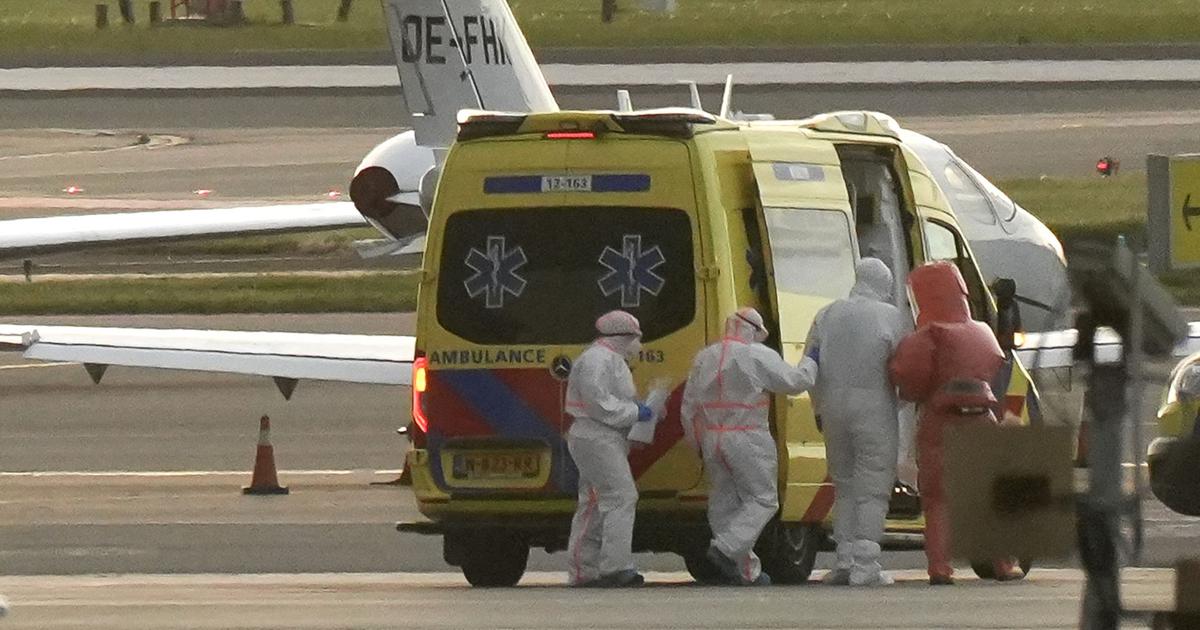
The World Health Organization (WHO) issued a warning on Thursday regarding potential increases in hantavirus infections following the tragic deaths of three passengers aboard the cruise ship MV Hondius. Despite the alarming nature of these fatalities, the WHO reassured the public that, with timely and effective public health interventions, the situation is expected to remain a contained outbreak rather than escalate into a larger epidemic.
Hantavirus, a zoonotic disease typically transmitted from rodents to humans, has gained international attention due to its severe health implications. The disease is primarily spread through exposure to infected rodents, their droppings, or saliva. Infected individuals can experience a range of serious symptoms, which may include respiratory, cardiac, and kidney complications. Unfortunately, there is currently no vaccine or specific treatment that can cure hantavirus infections, making early medical intervention crucial for those affected.
The recent incidents aboard the MV Hondius have sparked renewed fears about hantavirus, leading health experts to highlight the importance of preventive measures. The WHO emphasizes that the best way to minimize the risk of infection is to limit contact with potentially infected animals and their waste. Additionally, individuals should be vigilant about their health, particularly in environments where rodent populations are prevalent.
Especially in India, where urbanization and close living conditions can increase the likelihood of rodent encounters, public awareness and education about hantavirus and its transmission routes are vital. Health authorities encourage communities to maintain cleanliness, properly store food, and ensure that living spaces are free of rodent infestations.
While the Andes hantavirus, a variant found in South America, is known to have limited human-to-human transmission, the strain affecting passengers on the MV Hondius appears to be primarily rodent-borne. The symptoms of hantavirus infections usually manifest between one to eight weeks post-exposure, making early diagnosis and treatment essential for improving survival chances.
As the WHO continues to monitor the situation, it is imperative for countries around the globe, including India, to be proactive in their public health responses. Increased collaboration between health departments and communities can play a crucial role in addressing potential outbreaks and ensuring that populations are informed and prepared.