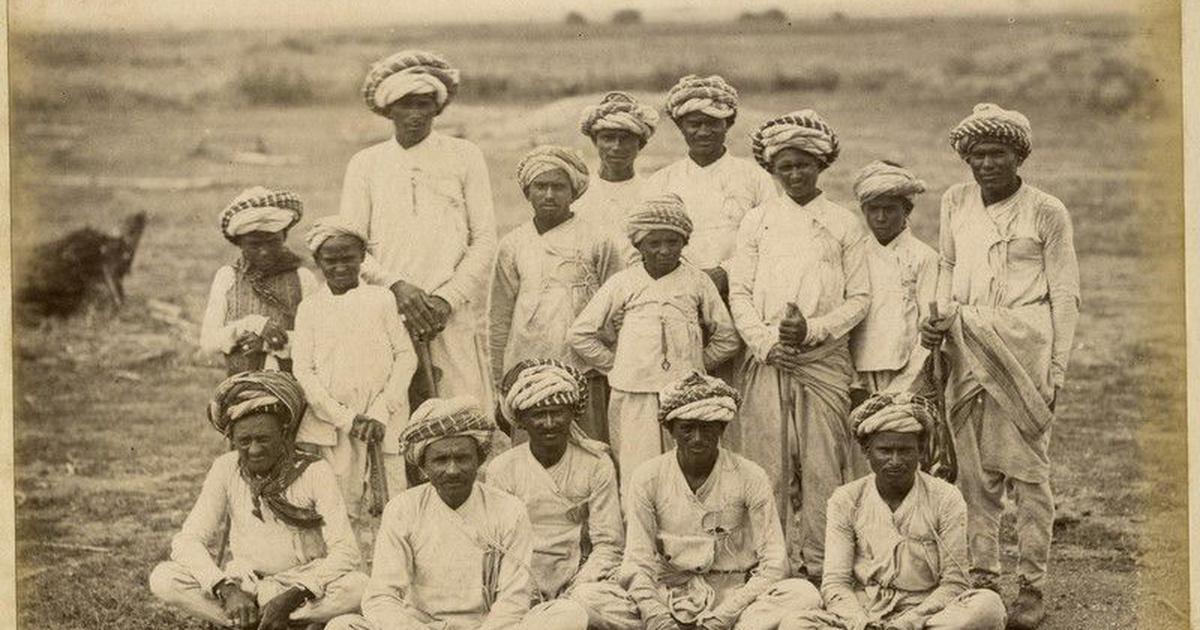
The history of the Bhil tribes in India tells a compelling story of resistance against powerful rulers, from the Rajputs and Marathas to the British colonial authorities. Recent research has shed light on the Bhil revolts in the Khandesh, Barwani, and Alirajpur regions, detailing how the indigenous communities navigated a complex web of political dynamics that shaped their struggles throughout the 19th century.
Khandesh, Barwani, and Alirajpur, situated in close proximity, were intricately linked both administratively and socially. Governed predominantly by Rajput thakurs, these regions also found themselves under the overarching control of British colonial rule. Despite their autonomy within this colonial framework, the Bhil tribes faced increasing pressures as British influence grew stronger. Following the establishment of British governance in Khandesh, moves towards the settlement of Bhil communities intensified, particularly in Barwani from 1833 onwards. This was a critical period that ignited discontent among the Bhil chiefs, who felt marginalized and disrespected.
By the late 1830s, the Bhils were still awaiting their promised rights, which included a fair share of the fixed revenue that was to be distributed among communal leaders. Frustrated and feeling betrayed, the Bhils resorted to acts of vandalism as a form of protest. The British colonial administration, confronted with this unrest, opted for a policy of military suppression rather than dialogue, marking a significant shift in their approach towards the indigenous tribes.
As the 1840s unfolded, British officials began to inspect the rich forests of Barwani, likely in response to the ongoing raids by the Bhil tribes. These inspections aimed to validate the claims of the Bhil chiefs while attempting to restore some semblance of order in the region. However, the indifference displayed by the Rajput rulers exacerbated tensions, leaving the Bhils with little choice but to continue their resistance against both colonial and feudal authorities.
This historical narrative not only highlights the plight of the Bhil tribes but also serves as a reflection of the broader struggle faced by indigenous communities across India during colonial rule. Understanding these revolts is crucial as they underscore the resilience and agency of marginalized groups in a tumultuous period of Indian history. As contemporary scholars delve deeper into these events, the stories of the Bhil tribes emerge as a potent reminder of their enduring spirit and resistance against oppression.