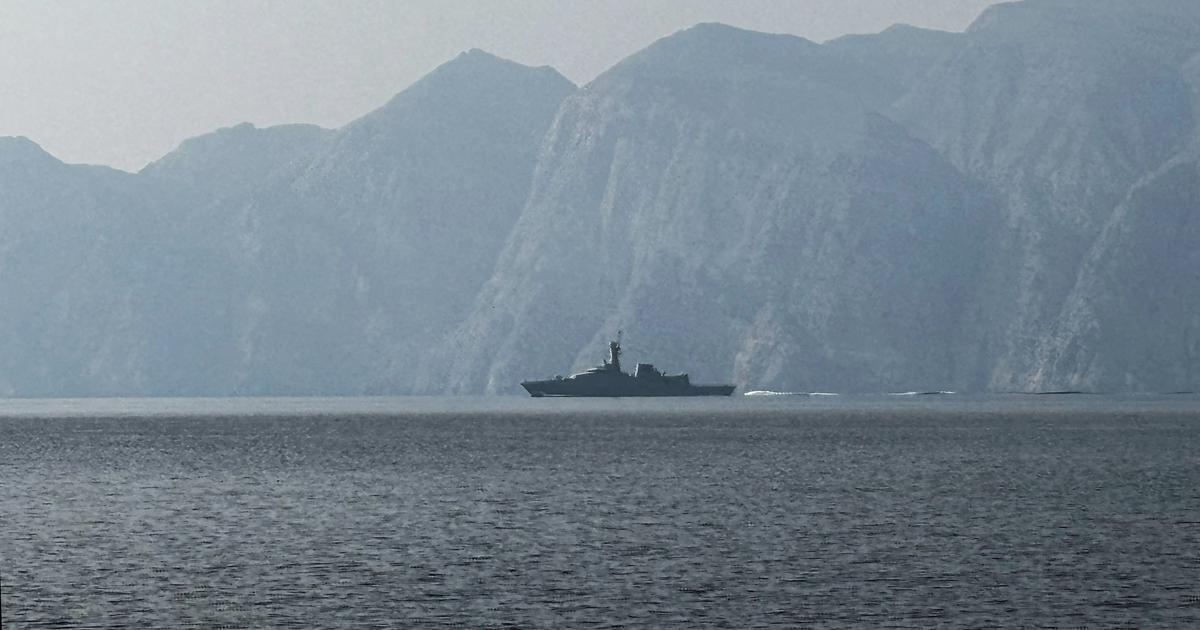
In a dramatic twist to the ongoing tensions in West Asia, US President Donald Trump reported on Thursday that three US naval destroyers were targeted while navigating through the critical Strait of Hormuz. Despite the alarming incident, Trump downplayed the event as a mere “trifle,” insisting that the ceasefire with Iran remains intact. This statement comes amid rising concerns over maritime security and geopolitical stability in the region.
Following the exchange of fire, oil prices saw a notable spike on Friday. The price of benchmark Brent crude surged by 1.7%, reaching $101.80 per barrel. This increase comes after a three-day decline and marks a significant rise from the $78 per barrel price recorded just a day before the recent hostilities erupted. Such fluctuations in oil prices are closely monitored as they can have rippling effects on global markets, including India’s economy, which is heavily reliant on oil imports.
The escalation of tensions comes at a time when the US has maintained a rigorous blockade of Iranian ports, aimed at monitoring maritime traffic linked to the country. This blockade has been enforced alongside stalled peace negotiations between Washington and Tehran. Ships traveling to and from non-Iranian ports are permitted to navigate the Strait of Hormuz under the current maritime restrictions, adding another layer of complexity to the situation.
On Thursday, the US military confirmed that it had conducted strikes on Iranian military installations as a retaliatory measure. The US Central Command claimed that Iranian forces had launched a barrage of missiles, drones, and small boats targeting the US warships; however, none of the vessels sustained damage. In response, the US military asserted that it successfully neutralized incoming threats and targeted Iranian facilities deemed responsible for the aggression.
The Iranian government, on its part, has accused the United States of instigating the conflict, further complicating the already fraught relationship between the two nations. As the situation develops, analysts predict that these hostilities could have significant implications not only for the countries directly involved but also for global energy markets and international diplomatic relations.