Five years ago, when the Trinamool Congress successfully secured its position in the West Bengal Assembly Elections of 2021, I expressed optimism in a front-page commentary titled: “The World’s Greatest Democracy Lives.” However, the landscape has dramatically shifted since then, raising serious concerns about the future of democratic engagement in the region.
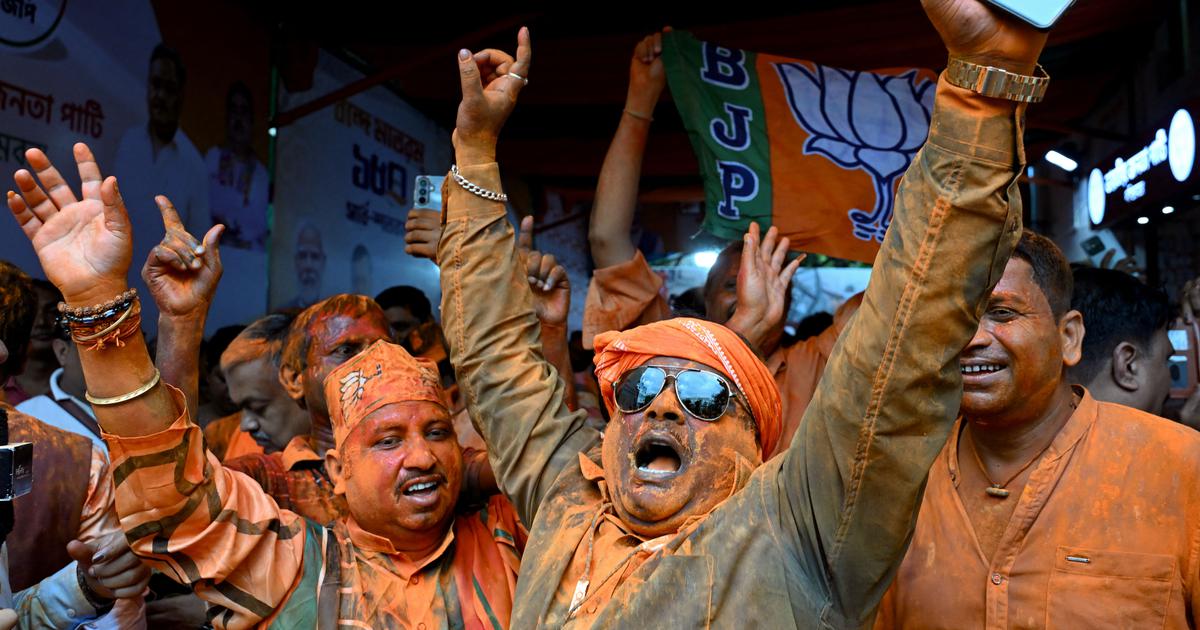
The essence of my earlier piece revolved around the idea that despite the controversies surrounding Prime Minister Narendra Modi and the Bharatiya Janata Party (BJP), they were at least willing to contest elections and accept the voters’ verdict. Fast forward to today, and this sentiment feels increasingly outdated. Recent developments, particularly the contentious Special Intensive Revision of the electoral rolls, have illuminated a distressing trend. Approximately nine million voters have been removed from the rolls, with at least 2.7 million contesting their disenfranchisement. This situation starkly highlights the BJP’s growing intolerance towards losing in West Bengal, raising alarms over their commitment to democratic principles.
The implications of these actions extend far beyond West Bengal, resonating throughout India. Historically, India has prided itself on its independent institutions, notably the Election Commission and the judiciary, which served as crucial pillars of democracy, especially for emerging nations. However, the current political climate suggests a waning commitment to these foundational democratic values. The BJP’s shift towards a more majoritarian and authoritarian governance style threatens to reshape India’s identity, raising questions about the future of pluralism in the country.
As the political narrative continues to evolve, the voices advocating for a more inclusive India are being stifled amidst the hardening stance of Hindutva. This shift is not just a regional issue; it reflects a broader trend that could redefine the political landscape of the nation. Observers note that the transformation of India into a Hindu nationalist state undermines the very tenets that have historically made it a beacon of democracy in the developing world.
Looking forward, it is crucial for citizens, activists, and political parties committed to democratic values to rally together. The future of Indian democracy depends on countering narratives that promote exclusion and division while fostering an environment where diverse voices can thrive. The battle for the soul of India is far from over, but it requires vigilance and perseverance to ensure that democracy remains robust and representative for all.