




Exploring the Dark Allure of Love in Wuthering Heights: A Look at Catherine’s Tragic Beauty
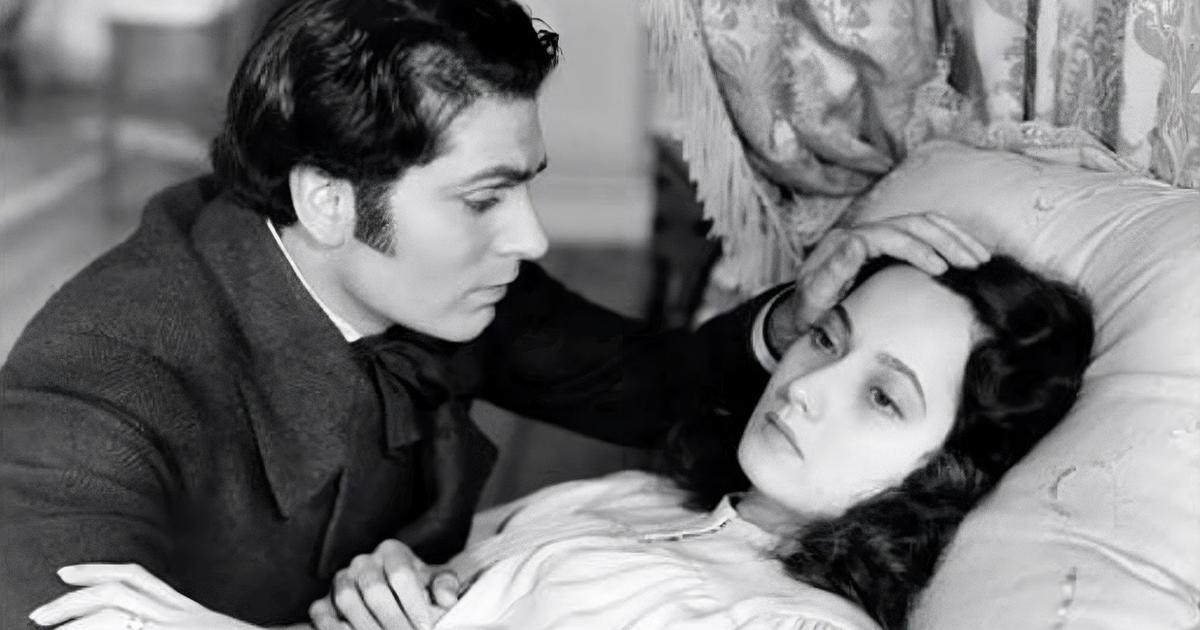
The recent resurgence of interest in Emily Brontë’s classic novel, ‘Wuthering Heights’, particularly following the announcement of a new film adaptation featuring Margot Robbie and Jacob Elordi, has reignited conversations around the complex themes of love and obsession that permeate the tale. Originally published in 1847, this Gothic masterpiece continues to captivate audiences with its intense emotional landscape and haunting portrayal of romantic entanglements.
At the heart of ‘Wuthering Heights’ lie the tumultuous relationships between its central characters, particularly Heathcliff and Catherine. Their bond, often described as toxic, reveals a more profound commentary on the nature of love itself. It illustrates how extreme affection can spiral into destructive behaviors, leading individuals down dark paths of vengeance and self-destruction. This unsettling truth resonates with many, as it underlines a form of love that is not just passionate but perilous.
Catherine Earnshaw embodies the concept of ‘consumptive chic,’ a term which reflects her tragic journey within the narrative. While Heathcliff externalizes his anguish through acts of revenge, Catherine’s suffering is more internalized. Her psychological turmoil manifests physically, illustrating how guilt and trauma can lead to self-destruction. This tragic beauty, characterized by her inability to let go of the past and her obsessive attachments, serves as a poignant reminder of the frailty of the human condition.
In the context of contemporary discussions around mental health and relationships, the dynamics between Heathcliff and Catherine offer fertile ground for psychoanalytic exploration. Their codependency highlights the dangers of unhealthy attachments and the consequences of unresolved trauma. As Indian audiences grapple with similar themes in personal relationships and societal expectations, the narrative’s relevance remains as poignant as ever.
Ultimately, the enduring allure of ‘Wuthering Heights’ lies not only in its Gothic aesthetics but in its deep exploration of love’s darker aspects. As the new adaptation approaches, it invites us to question our understanding of love and the often-painful sacrifices it demands. With its complex characters and haunting story, Brontë’s work continues to echo through generations, reminding us of the intense yet sometimes destructive nature of human emotions.




1 Comment
TUHIN SUBHRA SARKAR
April 17, 2026Wuthering Heights doesn’t read like a love story to me—it reads like a study in emotional permanence. Catherine and Heathcliff aren’t tragic because they love too much, but because they never evolve. They remain fixed, almost fossilised, in a single feeling.
What’s unsettling is how the novel resists resolution. Time moves, generations change, but the core emotion doesn’t dilute—it just transfers, mutates, lingers. It’s less about passion and more about what happens when a person mistakes intensity for identity.
In that sense, the real horror isn’t Heathcliff—it’s stasis.
Compared to today’s relationships—which often collapse under the fear of losing individuality—Wuthering Heights shows the opposite extreme: two people who lose themselves so completely that nothing of them is left to change.