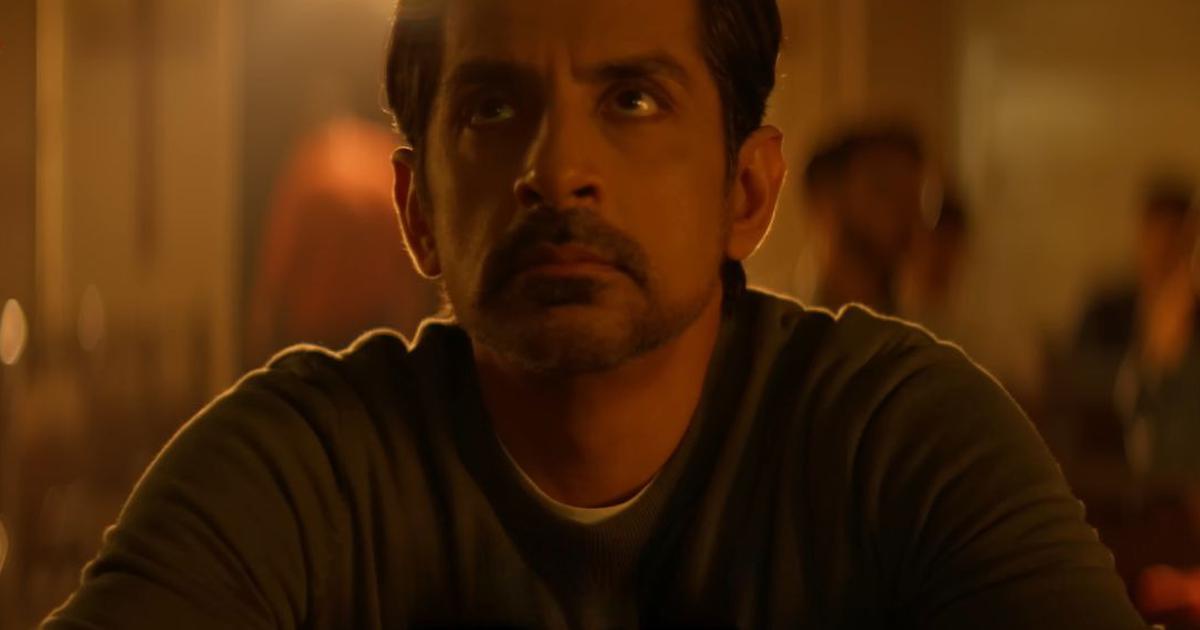
The film ‘Mercy’, directed by Mitul Patel, delves into the sensitive and often harrowing topic of euthanasia, a subject that evokes deep moral and emotional quandaries, especially within Indian society. Centered around two brothers, Shekhar and Vihaan, the narrative unfolds in the stark setting of a hospital where their ailing mother, Sujata, lies in a comatose state. With only the faint rhythm of her heartbeat to signify her existence, the film brings to light a profoundly difficult decision faced by families—the choice to continue life support or allow a loved one to pass peacefully.
Shekhar, portrayed by Raj Vasudeva, embodies the struggle of a son torn between his ethical convictions and familial duty. He is determined to keep his mother alive, fighting against mounting medical expenses and the emotional toll of her condition. In contrast, his brother Vihaan, played by Kunal Bhan, advocates for ending their mother’s suffering, viewing euthanasia as a compassionate release from her pain. Adding another layer of complexity to the narrative is Shekhar’s pregnant wife, Jiya, portrayed by Niharica Raizada, who aligns herself with Vihaan’s perspective, further fracturing the family’s unity.
‘Mercy’ attempts to tackle these intricate themes primarily through Shekhar’s point of view, but it falls short in its execution. While the film touches upon the ethical implications of euthanasia, it largely suffers from a lack of depth in its scripting, performances, and overall production. The film’s low-budget nature is evident, giving it an amateur feel that detracts from the gravity of the subject matter. In a country like India, where the discussion around euthanasia is still emerging, a more nuanced approach akin to Anu Menon’s ‘Waiting’ (2015) could have enriched the storytelling.
Moreover, the film hints at Shekhar’s Christian beliefs, which are introduced through the character of a priest, played by Adil Hussain. However, this aspect remains underexplored, leaving viewers wanting a deeper understanding of how faith intersects with the life-and-death choices faced by the family. As the story progresses, it becomes apparent that while the film seeks to highlight a topical issue, it does so in a manner that feels incomplete and lacking in emotional resonance.
In conclusion, ‘Mercy’ raises critical questions about the ethics of euthanasia but fails to deliver a compelling narrative to match its ambitious premise. In a society grappling with such moral dilemmas, the film serves as a conversation starter, yet it leaves audiences with more questions than answers. As filmmakers in India continue to explore complex social issues, there is a pressing need for stories that not only engage viewers but also respect the depth of the subjects they portray.