The Journey of Restoring Ajanta Caves: A Historical Perspective from the 19th Century to Today
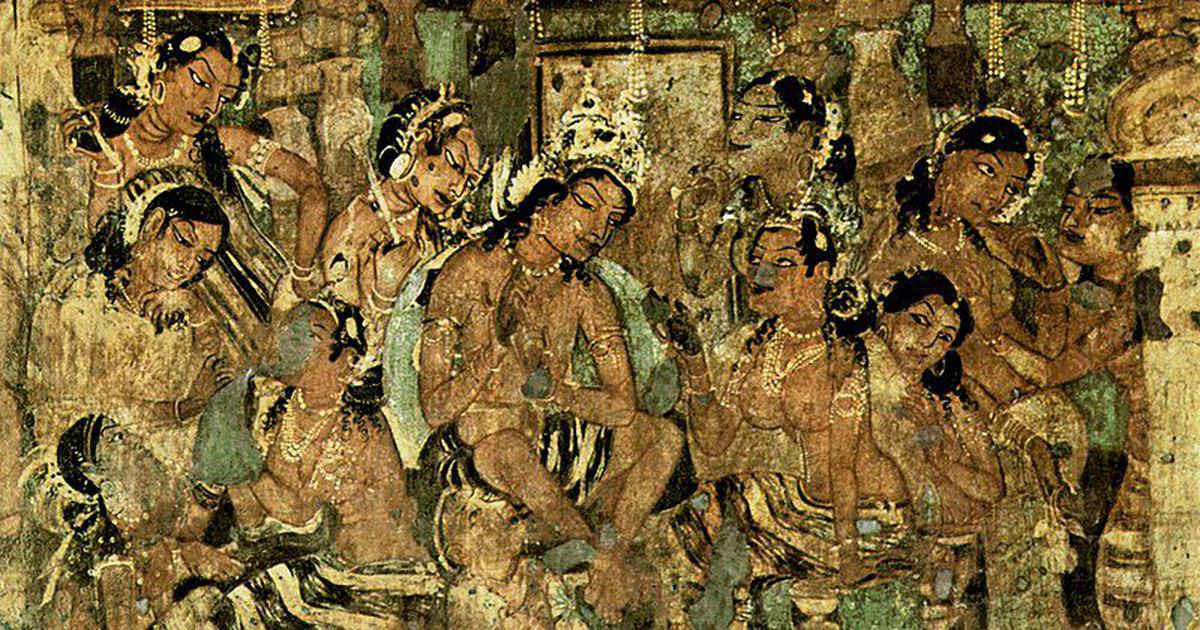
The Ajanta Caves, a mesmerizing network of rock-cut Buddhist monuments in Maharashtra, have long captivated the attention of historians, art enthusiasts, and travelers alike. However, their journey toward preservation began only after their rediscovery in the 19th century, a pivotal moment sparked by an accidental encounter during a tiger hunt by John Smith.
This unexpected revelation sent ripples through both colonial India and Britain, igniting interest among scholars who were eager to explore the treasures hidden within these ancient caves. Institutions like the Bombay Literary Society and the Asiatic Society of Bengal began documenting the intricate murals and sculptures, raising alarm about the deteriorating condition of these invaluable artworks. The British East India Company, which held significant power in India during this period, was alerted to the urgent need for preservation efforts to protect these cultural artifacts from natural decay and vandalism.
In the initial stages, the efforts to restore the Ajanta murals were not aimed at conserving the originals but rather at creating a lasting memory of them. Artists were commissioned to replicate the murals, often capturing the essence of the artwork as it was — weathered and fading. Some artists diligently crafted replicas that mirrored the originals in their decayed state, while others took a more artistic approach, producing idealized versions of the murals that showcased their former glory.
One of the key figures in these early restoration efforts was Major Robert Gill, a soldier and painter in the Madras Army. From 1844 onwards, Gill dedicated nearly two decades of his life to documenting the murals through detailed sketches and paintings. His work not only highlighted the rich artistry of the Ajanta Caves but also served as a call to action for the preservation of Indian heritage amidst the colonial narrative.
As decades passed, the restoration techniques evolved, reflecting the changing attitudes toward cultural preservation. By the late 20th century, conservation strategies became more scientific, incorporating methods that aimed to stabilize the original murals without compromising their integrity. Today, the Ajanta Caves are recognized as a UNESCO World Heritage Site, and ongoing efforts focus on conservation while also promoting awareness about their historical significance.
The tale of the Ajanta Caves serves as a reminder of the delicate balance between preservation and the inevitable passage of time. As we continue to explore and understand these ancient artworks, it is crucial to foster a sense of responsibility towards safeguarding India’s rich cultural heritage for future generations to appreciate.