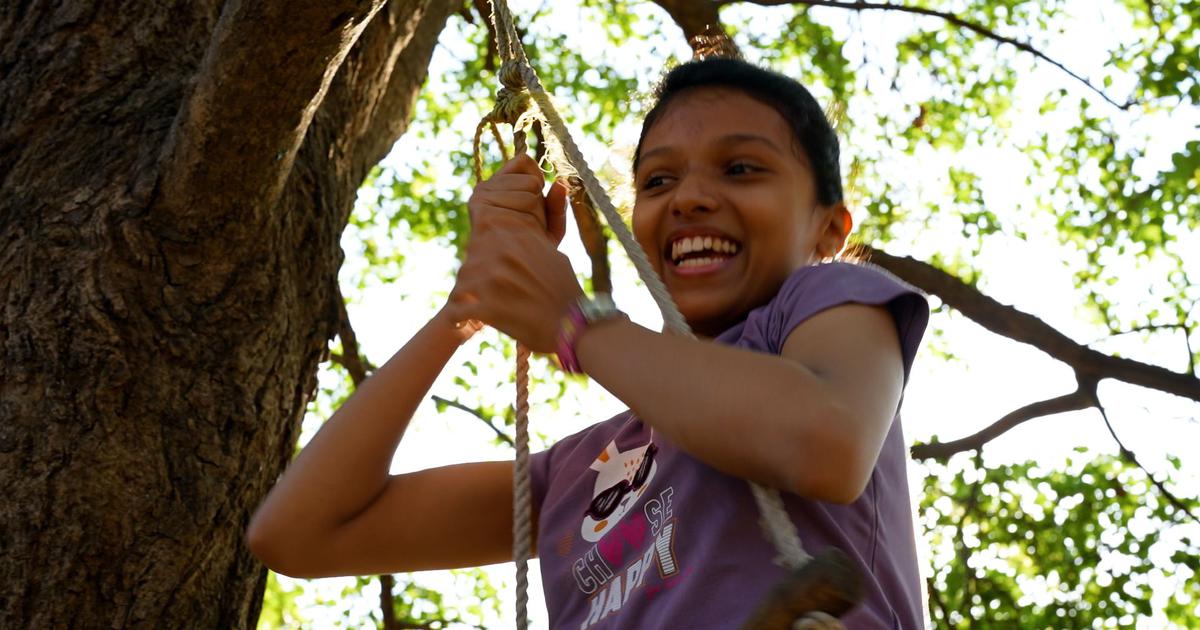
In recent years, the approach to teaching environmental studies in India has undergone a transformative shift. Traditional classroom learning is giving way to a more experiential method, where students are encouraged to step outside and engage with the natural world. This outdoor education not only enhances understanding but also fosters a deeper connection with the environment, vital for nurturing the next generation of eco-conscious citizens.
As urban centers expand and ecological challenges become more pronounced, the urgency to instill environmental awareness has never been greater. Educators are increasingly recognizing that lessons learned in a classroom setting often lack the real-world context necessary for genuine understanding. Immersive outdoor learning experiences allow students to witness ecological systems firsthand, observe the impact of human activity on nature, and engage in hands-on conservation efforts.
Schools across the country are adopting innovative programs that incorporate outdoor learning into their curricula. For instance, institutions in metropolitan cities like Delhi and Mumbai are organizing field trips to nearby forests, rivers, and conservation parks. These excursions not only provide students with a fresh perspective on biodiversity but also encourage teamwork and critical thinking as they tackle environmental challenges through group projects.
Moreover, such initiatives are proving beneficial in rural areas as well. In regions where students may not have access to advanced educational resources, outdoor learning provides an opportunity to connect with local ecosystems. By studying their own environment, students develop a sense of ownership and responsibility towards their surroundings, which can lead to meaningful change within their communities.
The integration of outdoor education in India aligns with global trends that emphasize experiential learning. Research has shown that students who learn in natural settings tend to retain information better and demonstrate improved problem-solving skills. Advocates argue that this approach not only enhances academic performance but also plays a crucial role in cultivating environmentally responsible citizens who are equipped to address pressing ecological issues.
As this movement gains momentum, it faces challenges, including the need for teacher training and curriculum development that effectively incorporate outdoor learning. However, the enthusiasm among educators and students alike suggests that this shift toward a more hands-on approach to environmental studies could pave the way for a more sustainable future.