




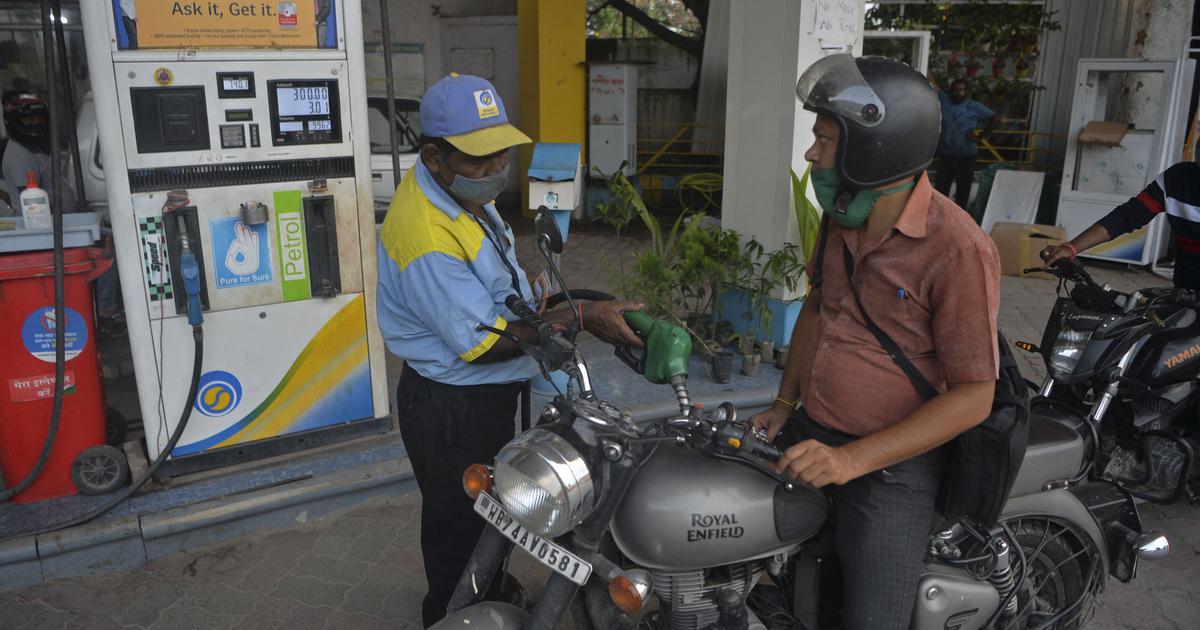
In a concerning development for Indian consumers, petrol and diesel prices have escalated once more, effective immediately. This increase comes on the heels of already rising global oil prices and ongoing supply concerns, particularly in the wake of the escalating conflict in West Asia. This marks the second hike in fuel rates in less than a week, as the nation grapples with the financial implications of these fluctuations.
In the capital city of Delhi, the price of petrol has jumped by 87 paise per litre, bringing the cost to Rs 98.6, up from Rs 97.7. Diesel prices have also seen a significant increase, rising by 90 paise to Rs 91.5 per litre. Just a week prior, on May 15, fuel prices had already increased by roughly Rs 3 per litre, highlighting the accelerating trend in fuel costs.
Other major cities are feeling the pinch as well. In Mumbai, petrol prices have risen by 91 paise, now standing at Rs 107.5 per litre, while diesel has increased by 94 paise to Rs 94. Similarly, Kolkata has experienced one of the highest increases, with petrol prices escalating by 96 paise to reach Rs 109.7 per litre. Diesel in the city has also risen by 94 paise, costing Rs 96 per litre. In Chennai, petrol now costs Rs 104.4 after a hike of 82 paise, and diesel has gone up by 86 paise to Rs 96.1 per litre.
The relentless rise in fuel prices is largely attributed to the mounting pressures faced by oil marketing companies, which continue to struggle with the ramifications of soaring global crude prices. The benchmark Brent crude oil was trading just below $110 per barrel early on Tuesday, having increased by 2.6% during the previous trading session. To put this in perspective, Brent was priced at around $78 per barrel back in February, showcasing a stark contrast in the cost of oil over just a few months.
This ongoing escalation in fuel prices not only affects transportation costs but has broader implications for the Indian economy. As fuel prices rise, the cost of goods and services is likely to follow suit, putting additional strain on household budgets across the country. Economists warn that if the current trend continues, it could further hinder economic recovery efforts post-pandemic, as consumers are compelled to allocate more of their income towards fuel expenditures.

