In the rugged terrains of Kachchh, Gujarat, a profound shift is underway as traditional pastoral nomads, particularly from the Maldhari community, grapple with dwindling access to ancestral grazing lands known as rakhals. These areas, historically significant for their role in sustaining livestock, are now witnessing a loss of connection between the nomadic lifestyle and the grass preserves that once defined it.
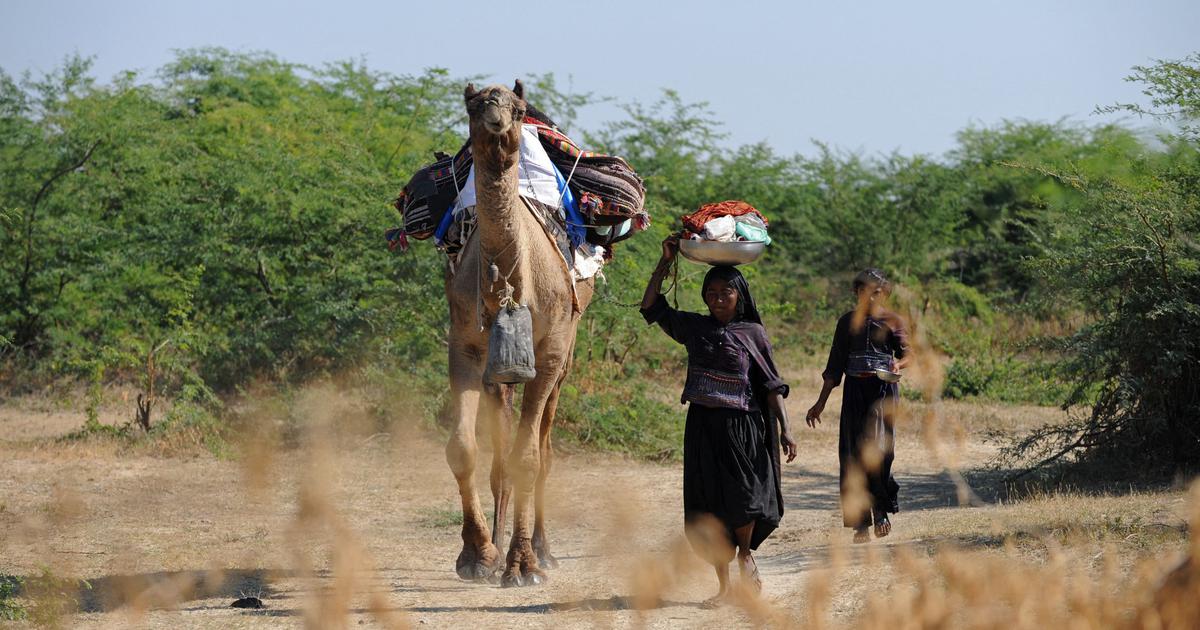
Nasibi Shermamad Jat, a 55-year-old member of the Maldhari community, fondly recalls her childhood memories of visiting the rakhal with her mother and buffaloes. “I remember the taste of tamarind I would pluck from trees and the grass I collected during times of drought,” she reminisces. For Nasibi and her family, these rakhals in Dhragavandh, a village located near the India-Pakistan border, were not just grazing grounds but a vital part of their way of life.
Traditionally, rakhals are designated grazing areas, characterized by sparse trees and wild grasses, primarily found in the arid and semi-arid regions of Kachchh. This ecological setup was established back in the 1880s, when local kings designated these grasslands for the benefit of pastoralists like the Maldharis, allowing them to graze their livestock while also serving the royal hunting pursuits. The importance of these preserves has been recognized for generations, and the cutting of trees within these regions was strictly prohibited.
Nasibi’s family relies on their 30 camels and six buffaloes to sustain themselves, with the rakhals surrounding their village located inside the Narayan Sarovar Sanctuary. She explains, “The kings gave us rakhals to graze our animals,” emphasizing the historical significance of these lands in fostering the bond between the community and their livestock.
However, the modern reality is starkly different. As the demand for land for urbanization and commercial development increases, these traditional grazing grounds are rapidly diminishing. The encroachment on rakhals has led to a significant reduction in available grazing space, forcing many pastoralists to either relocate their herds or reduce their livestock numbers, which in turn threatens their livelihoods and cultural identity.
The government’s conservation efforts and the establishment of protected areas, while essential for wildlife preservation, often overlook the needs of local pastoral communities. The balance between wildlife conservation and the sustenance of traditional livelihoods remains a contentious issue in Kachchh. As more restrictions are placed on the land, the pastoralists find themselves at a crossroads, torn between their heritage and the pressures of modernity.
To combat this disconnection, initiatives promoting sustainable practices and raising awareness about the importance of pastoral traditions could play a crucial role. The government and conservation groups must engage with local communities to develop strategies that protect both the ecological balance and the cultural heritage of the Maldharis. Without such measures, the rich tapestry of life in Kachchh, woven through generations of pastoral nomadism, risks unraveling altogether.