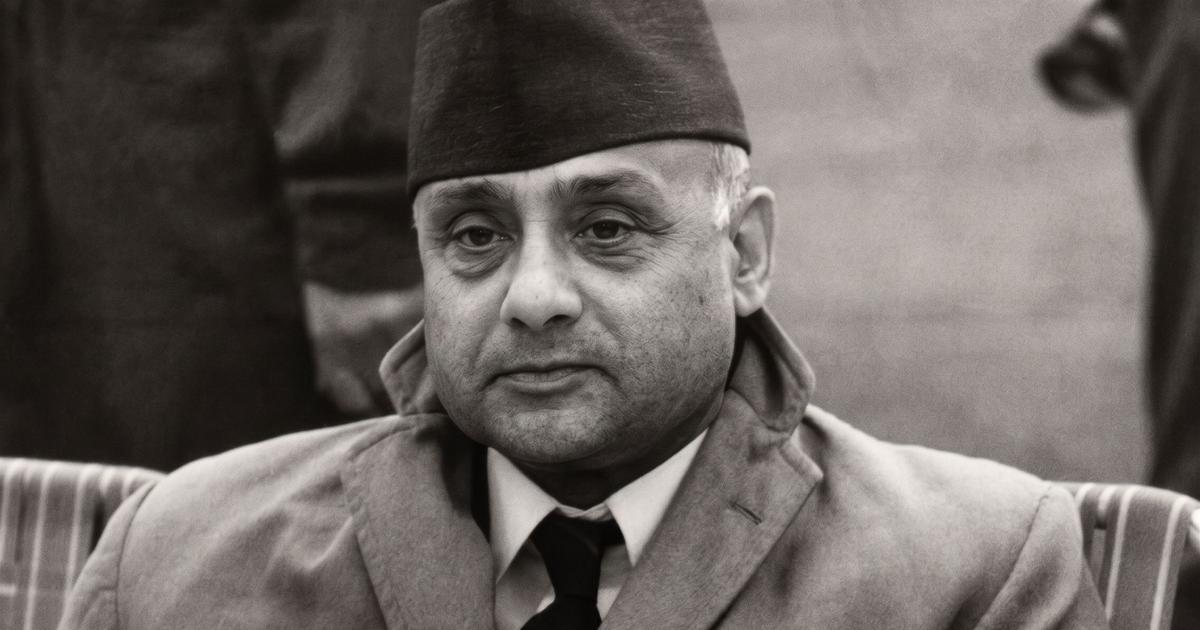
As India commemorates the birth anniversaries of its prominent founding leaders, the contributions of many lesser-known yet remarkable individuals often fade into the background. One such figure is Har Mander Singh, whose birth centenary on June 27, 2026, deserves recognition for his pivotal role in the Indian Frontier Administrative Service (IFAS), an initiative that played a crucial role in shaping modern India.
Born in 1926, Singh was part of a unique experiment in nation-building during a time when the country was finding its identity post-independence. The Indian Frontier Administrative Service, established to manage the diverse tribal populations in the northeastern regions, was instrumental in fostering integration and understanding within these communities. It aimed to bridge the gaps between the government and the tribal people, ensuring that the latter’s rights and cultures were preserved while offering them access to national frameworks.
The story of the IFAS is intertwined with that of Verrier Elwin, a British anthropologist who became a pivotal figure in Indian tribal affairs. After adopting Indian citizenship post-independence, Elwin was appointed as the Anthropological Adviser to what was then known as the North East Frontier Agency, now Arunachal Pradesh. With his deep understanding of tribal cultures and a commitment to their welfare, he was chosen by Prime Minister Jawaharlal Nehru, who believed that Elwin could bring a rare empathy and insight to the unique challenges facing these communities.
Elwin’s work exemplified the spirit of the IFAS and the ethos of leaders like Har Mander Singh. They ventured into uncharted territories with a sense of purpose, building trust and rapport with tribal populations. Their efforts were not merely administrative; they were about fostering a sense of belonging and national identity among people who had historically been marginalized. The complexity of tribal politics and the myriad cultural nuances required sensitivity and adaptability, qualities that Singh embodied throughout his service.
As we look back on the contributions of Har Mander Singh and his contemporaries in the IFAS, it’s essential to recognize how their legacy continues to shape contemporary India. The lessons from their experiences can guide current and future policymakers in addressing the needs of tribal communities and ensuring their voices are heard in the national narrative. Celebrating figures like Singh not only honors their memory but also serves to remind us of the importance of inclusive governance and the value of understanding diverse cultures in our quest for unity.