




IIT-Delhi Tops QS World Rankings as India’s Premier Institute, Yet Academic Reputation Lags
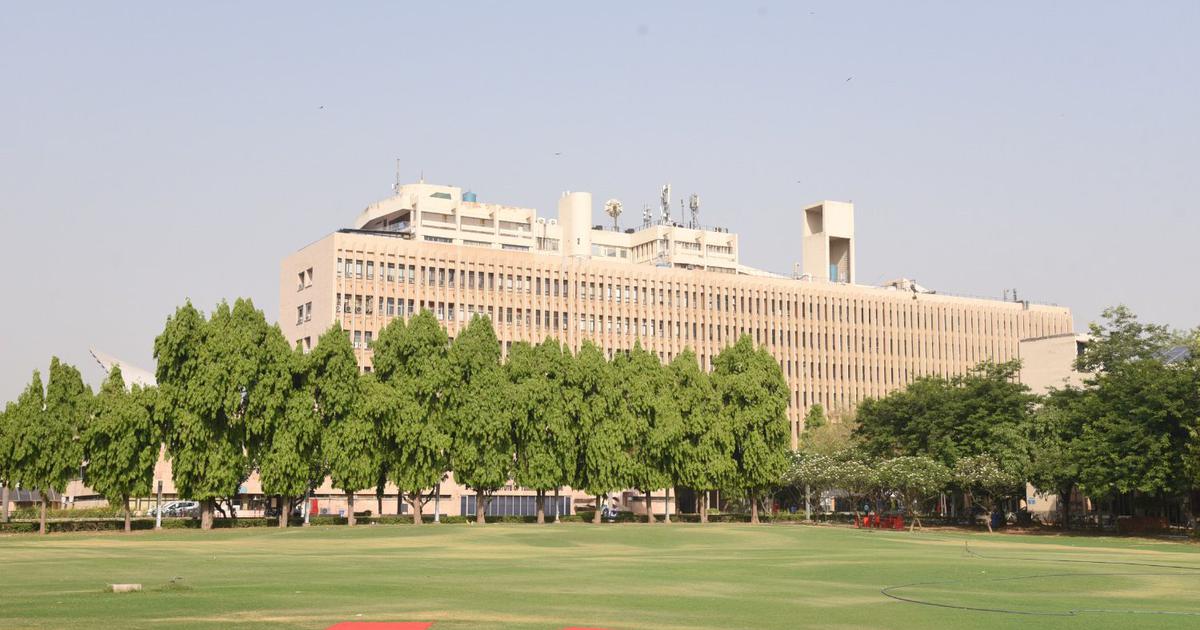
The Indian Institute of Technology-Delhi (IIT-D) has once again claimed the title of India’s highest-ranked university in the recently released 2027 QS World University Rankings, securing the 118th position globally. This marks a significant achievement for IIT-D, which has consistently held the top spot among Indian institutions, following a previous record where IIT-Bombay also ranked 118th in 2025.
The QS rankings showcased a total of 52 Indian universities, out of which 26 demonstrated improvements in their rankings. While nine institutions maintained their previous positions, 15 saw a decline, and two made their debut in this prestigious list. Impressively, seven of the top ten universities in India are IITs, with the top five spots occupied by these esteemed institutions, underscoring their dominance in the academic landscape.
When it comes to research impact, Indian institutions are making significant strides. Eleven universities from India have entered the global top 100 based on the metric of citations per faculty, which gauges both the intensity and volume of research output. Notably, the Indian Institute of Science in Bangalore achieved an impressive 21st position in this category, highlighting its critical role in advancing scientific knowledge.
Furthermore, the employer reputation metric, derived from a survey of over 69,400 global employers, places IIT-Bombay at an impressive 32nd position, while IIT-Delhi follows closely at 39th. This indicates a strong preference among employers for graduates from these institutions, reflecting their rigorous academic programs and the high quality of education provided.
Despite these accomplishments, the QS rankings have indicated a concerning trend regarding the academic reputation of Indian universities, describing it as ‘modest.’ This metric evaluates the perceived reputation of institutions and their programs through the insights gathered from over 1.2 million academic professionals worldwide. The relatively low standing in this area suggests that while Indian universities are excelling in research and attracting employer interest, there is still considerable work to be done to enhance their global academic stature.
This dichotomy presents a complex picture of the Indian higher education system. On one hand, the impressive rankings and research output signify the rapid advancement of these institutions in a competitive global landscape. On the other hand, the modest academic reputation scores raise questions about the visibility and recognition of Indian universities in the international arena. Addressing these challenges will be crucial for sustaining growth and ensuring that Indian institutions not only rank well but are also respected and recognized globally for their academic excellence.

