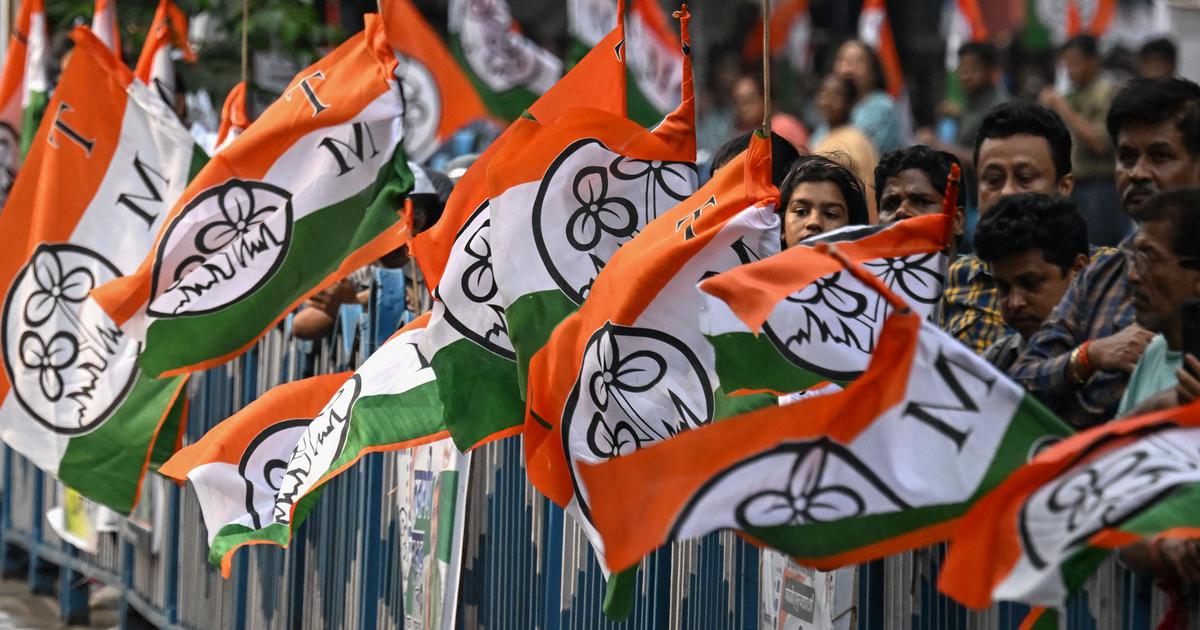
In a surprising turn of events, Trinamool Congress (TMC) leader Aroop Biswas has formally approached HDFC Bank with a request to freeze the party’s bank account. This move, dated June 12, stems from escalating internal conflicts within the TMC, raising pressing concerns about the control and management of the party’s financial assets.
Identifying himself as the treasurer of the All India Trinamool Congress (AITC), Biswas expressed his concerns in a letter to the bank, underlining the uncertainty surrounding the party’s leadership and operational authority. Interestingly, sources have indicated that Biswas was relieved of his treasurer duties just a week prior on June 5, following a disappointing electoral defeat in the Tollygunj constituency to the Bharatiya Janata Party (BJP). This loss, considered a significant blow to TMC, has evidently amplified the factional unrest within the party.
In his correspondence with HDFC Bank, Biswas pointed out that various factions within the TMC are currently contesting their legitimacy as representatives and office bearers of the party. This situation has led to considerable ambiguity regarding who possesses the authority to manage the bank accounts associated with the AITC. Given this backdrop, Biswas urged the bank to halt any debit transactions or modifications to the account until the dispute within the party is resolved.
The treasurer’s letter also highlighted his worries over possible misuse of signed cheques, which are currently in circulation or with individuals whose authority is now being questioned. The request to freeze the account signifies the depth of the crisis within the TMC, which has been struggling to maintain its unity and coherence in the wake of recent electoral challenges.
Sections of the TMC, once seen as a formidable force in West Bengal politics, are now grappling with a leadership vacuum and internal strife, particularly following the BJP’s rise in the state. As rival groups vie for supremacy, the party’s stability hangs in the balance, prompting concerns about its future direction and effectiveness. The outcome of this internal struggle could have significant implications for TMC’s strategy leading into the next electoral cycle.