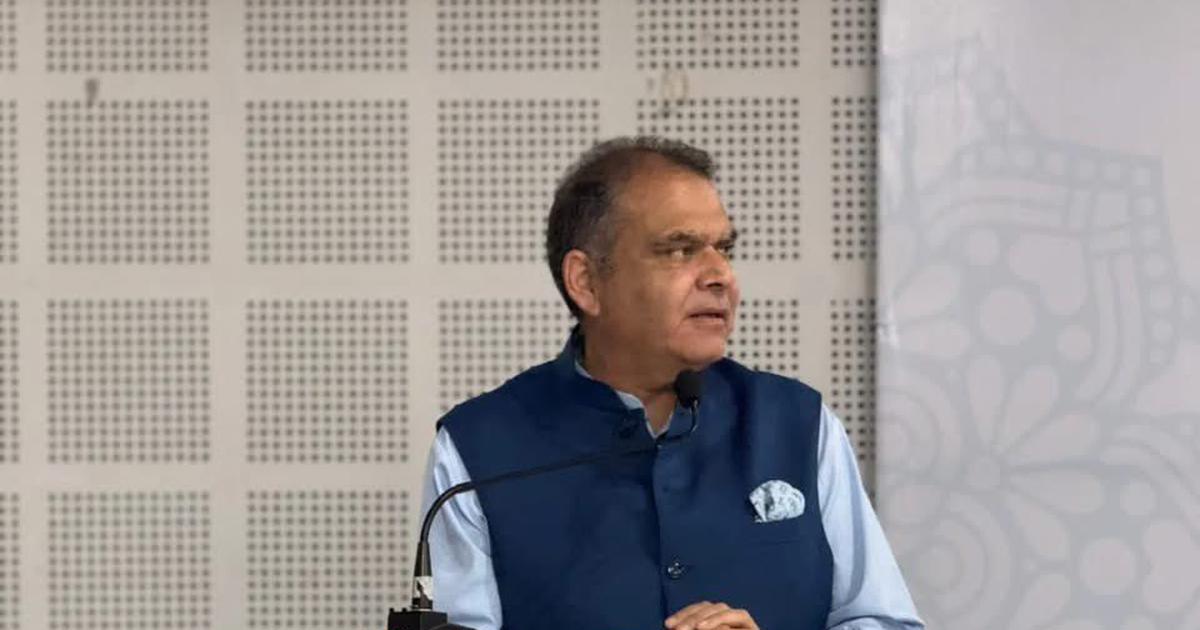
The growing political influence of Vijay and his party, Tamilaga Vettri Kazhagam (TVK), has generated widespread discussion across Tamil Nadu following the 2026 Assembly election results and subsequent political developments.
Various media reports and political discussions have speculated about the possibility of Vijay emerging as a key force in Tamil Nadu politics after TVK reportedly performed strongly in the elections. However, several claims regarding government formation, cabinet appointments, and oath-taking ceremonies remain subject to official confirmation.
Political observers say the developments reflect changing voter expectations, particularly among younger voters seeking alternative political leadership beyond the traditional dominance of the DMK and AIADMK in the state.
Vijay’s Transition from Cinema to Politics
Vijay formally launched Tamilaga Vettri Kazhagam in 2024 after years of speculation about his political entry. His popularity through cinema, fan associations, and welfare activities helped him establish a political support base across several regions of Tamil Nadu.
During public appearances and political outreach programs, Vijay frequently spoke about issues including education, employment, social justice, transparency, and youth empowerment. TVK projected itself as a party focused on governance reforms and development-oriented politics.
According to political analysts, the party’s emergence has contributed to a significant shift in Tamil Nadu’s political discourse. At the same time, analysts caution that electoral momentum alone may not guarantee long-term political success without organizational stability and administrative experience.
Reports of Government Formation and Political Negotiations
Following the election results, multiple reports and social media discussions claimed that TVK had emerged as a major political force capable of forming the government with outside support from allied legislators. However, official confirmation regarding several coalition-related developments has remained limited.
There were also widespread discussions regarding possible cabinet appointments and negotiations with other political parties. Some opposition leaders questioned the experience of first-time political entrants, while supporters described the developments as a sign of generational political change.
Political analysts noted that any government formation process in a closely contested Assembly would require constitutional procedures, legislative support, and formal approval from the Governor’s office.
Economic and Governance Expectations
Tamil Nadu continues to remain one of India’s leading industrial and manufacturing states, with strong sectors including automobiles, electronics, information technology, and textiles. Supporters of TVK have expressed expectations for reforms in employment generation, infrastructure, industrial investment, and welfare delivery.
At the same time, experts believe that any new political formation would face challenges related to governance, coalition management, economic planning, and administrative coordination.
Observers say the coming months could play an important role in determining whether TVK develops into a long-term political force or remains dependent on electoral popularity and public sentiment.
A New Political Conversation in Tamil Nadu
Regardless of future political outcomes, Vijay’s political journey from cinema to active politics has become a major topic of public discussion in Tamil Nadu. Analysts believe the growing engagement of younger voters and first-time political participants may continue influencing the state’s political landscape in the years ahead.
Political experts also caution against drawing immediate comparisons with former actor-politicians without observing how future political developments unfold.
As discussions around leadership, governance, and electoral change continue, all eyes remain on how emerging political movements shape the next phase of Tamil Nadu politics.