In an age where the allure of social media often overshadows traditional learning, educators face the challenge of engaging young minds with history. Eric Chopra, the author of the intriguing book Ghosted: Delhi’s Haunted Monuments, and the founder of Itihasology, a platform dedicated to Indian history and art, is making strides in this direction. By combining historical exploration with elements of horror, he aims to captivate the interest of younger audiences while providing a counter-narrative to the misinformation that pervades social media.
Chopra’s latest work delves deeply into the past of Delhi, unearthing its rich and diverse history from ancient times to the British colonial era. The book presents a unique perspective through the lens of five reportedly haunted monuments: Jamali-Kamali, Firoz Shah Kotla, Khooni Darwaza, Mutiny Memorial, and Malcha Mahal. Each site serves as a portal into a different chapter of Delhi’s storied past, allowing readers to experience not just the facts but the emotions and legends that linger in these historical spaces.
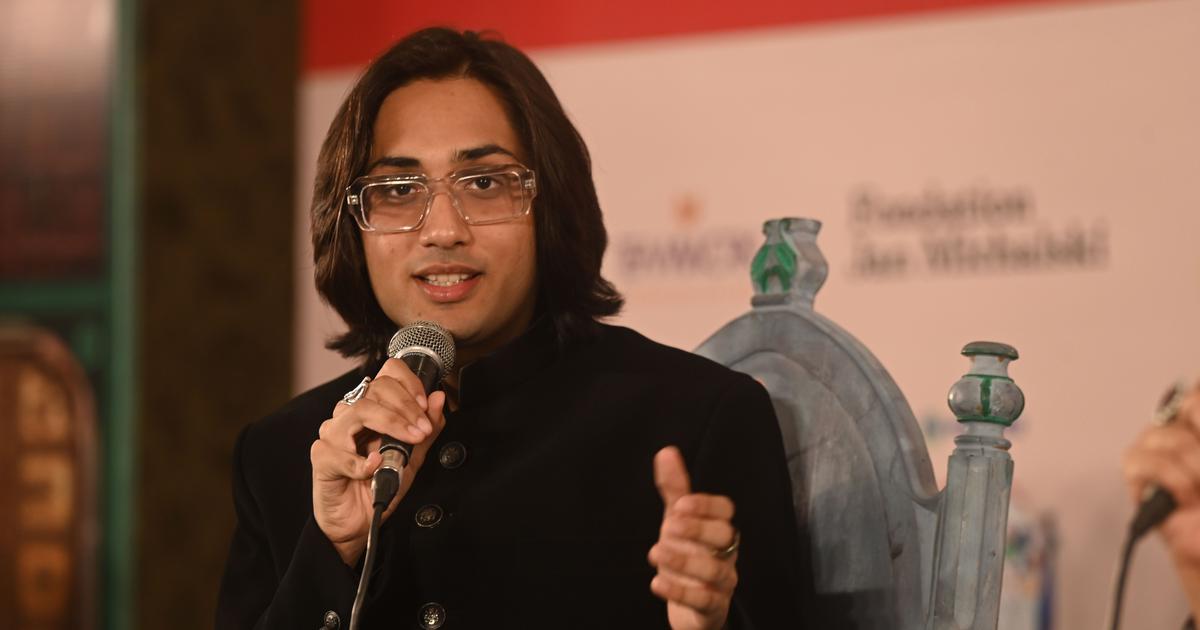
During a recent conversation at The Sacred Amritsar festival, Chopra shared insights into his journey as a writer and his deep-rooted fascination with horror. He revealed that his interest in these haunted sites began with Jamali Kamali, where he felt a strong personal connection. “It wasn’t about the supernatural for me at first. It was about the history and the stories that these places tell,” he explained. This approach not only honors the past but also invites readers to contemplate the intertwining of history and mythology.
Chopra’s work stands out in a landscape where history is often relegated to dry textbooks. By incorporating elements of horror, he seeks to make history relatable and engaging. “Horror has always fascinated me, and it often reflects deeper truths about society and culture. When you look at haunted places, you see the fears, hopes, and struggles of those who came before us,” he said. His narratives challenge readers to confront uncomfortable truths while enjoying the thrill of a ghost story.
Moreover, Chopra addresses the issue of representation in history, particularly concerning queer narratives. He emphasizes the importance of including diverse perspectives in historical discussions, allowing for a richer understanding of our shared heritage. “History has always been about power dynamics, and it’s crucial to recognize marginalized voices,” he asserted. By weaving these elements into his storytelling, Chopra not only educates but also fosters inclusivity.
As educators and historians grapple with the influence of modern media, Chopra’s approach serves as an inspiring blueprint. By blending history with engaging, relatable narratives, he hopes to provide young audiences with alternative perspectives, steering them away from misleading information found online. His work reminds us that history is not just a collection of dates and events; it is a living, breathing narrative shaped by countless individuals and their experiences.