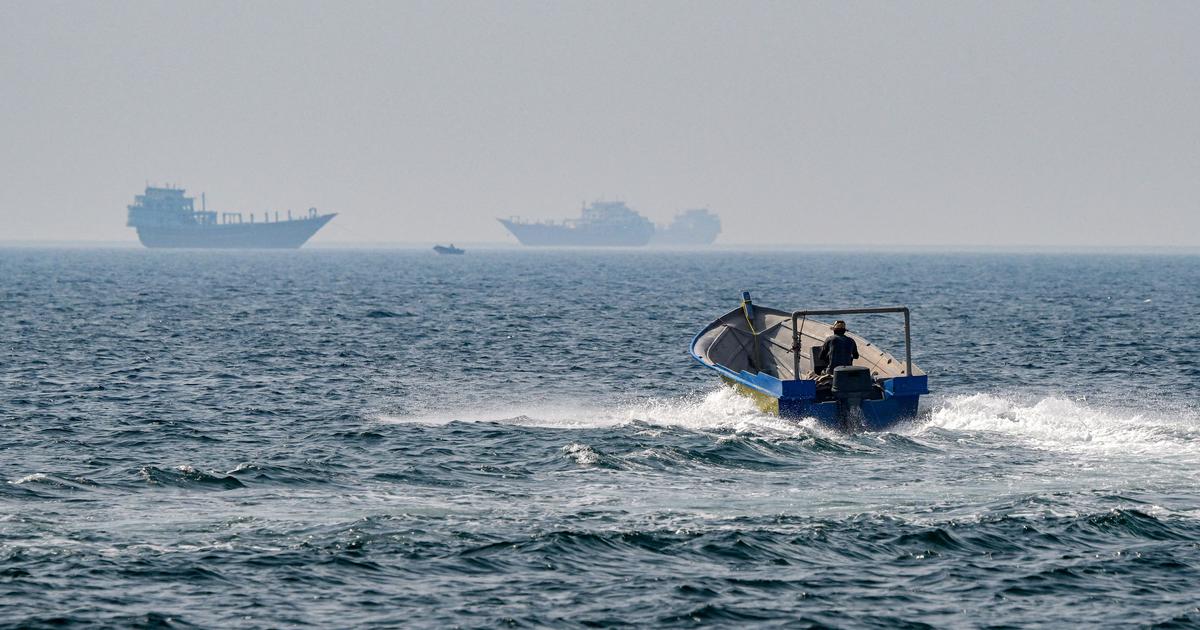
The global economy hangs in the balance as tensions rise in the Strait of Hormuz, a vital waterway that facilitates the passage of approximately 20% of the world’s oil and gas. In recent weeks, Iran has taken drastic measures in response to its ongoing conflict with Israel and the United States, effectively closing this strategic channel. While a few vessels have managed to navigate the strait under Iranian stipulations, the situation remains precarious.
The reopening of the Strait of Hormuz was a significant element of a two-week ceasefire that was tentatively agreed upon. However, following intense negotiations that did not yield any fruitful results, U.S. President Donald Trump announced a severe escalation via a post on Truth Social. He declared that the United States Navy would commence a blockade on all ships attempting to enter or exit the Strait of Hormuz. This blockade, confirmed by U.S. Central Command, is set to be enforced starting April 13, 10 am Eastern Time, aiming to exert immense pressure on Iran’s economy.
The blockade’s primary intent is to cripple Iran’s oil and gas exports, which are crucial for its economy. In response, Iranian officials have warned that such actions would not only affect their country but would also reverberate throughout the global economy, particularly affecting oil prices and availability. With India being one of the largest consumers of oil, any significant disruption could have serious implications for the Indian market, leading to higher prices at the pump and potentially jeopardizing economic growth.
This latest development unfolds against a backdrop of escalating geopolitical tensions and a fragile global economic landscape still recovering from the impacts of the COVID-19 pandemic. As countries grapple with inflation and energy supply concerns, the ramifications of the U.S. blockade are likely to be felt far and wide. Indian businesses, especially in transportation and logistics, are particularly vulnerable to fluctuations in oil prices, which could lead to increased operational costs.
Moreover, with nations looking to diversify their energy sources, India has been investing in renewable energy, but the immediate reliance on imported oil means that any disruption in supply chains could thwart these efforts. As the situation evolves, the Indian government and businesses must prepare for potential impacts on fuel prices and economic stability.