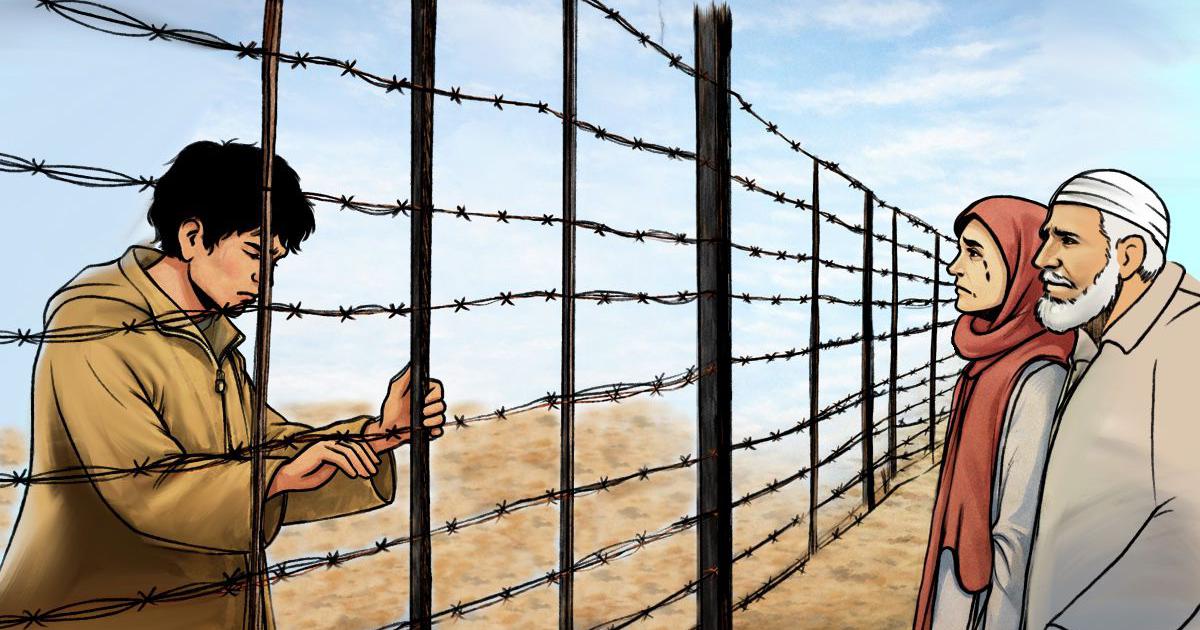
In a gripping tale of parental love and resilience, a father from Jammu’s Rajouri district has been fighting for nearly a year to bring his son, Aasim Sajjad, back home from Pakistan. The emotional strain has been immense for Sajjad Ahmad, who has endured a constant reminder of his son’s plight through their regular phone calls. “Why aren’t you doing anything to bring me home?” is the heart-wrenching refrain he hears, echoing in his mind.
Aasim, a 19-year-old student, was among a group of individuals from Pakistan who were ordered to leave India following a tragic and violent incident that shook the Kashmir Valley. On April 22 of the previous year, a terrorist attack claimed the lives of 25 tourists in Pahalgam, leading to heightened tensions and swift actions by authorities. Aasim’s application for Indian citizenship was pending at the time of his deportation, leaving him caught in a bureaucratic limbo.
Since being sent back to Pakistan, Aasim has been living with relatives in Gujranwala, a city in Punjab. His father reports that the young man is struggling significantly with anxiety and depression due to the circumstances. “He is terrified and has become withdrawn,” Ahmad shared, lamenting how his son has stopped studying and has missed out on crucial academic opportunities, including taking his Class 12 examinations this year.
Fortunately for Aasim, there has been a glimmer of hope. On March 25, the High Court of Jammu and Kashmir and Ladakh intervened on his behalf, issuing an order requiring the government to facilitate his return from Pakistan and grant him Indian citizenship within eight weeks. This judicial action marks a significant moment, as it showcases the power of the legal system in rectifying situations that can devastate families.
This case is not an isolated incident; it reflects a broader issue of deportations affecting individuals who have ties to India but find themselves on the wrong side of a border due to complex political circumstances. The region has witnessed similar instances where judicial intervention has played a critical role in restoring justice for individuals caught between nations.
As the clock ticks down on the court’s ultimatum, Ahmad remains hopeful but anxious. He recalls the dreams he had for his son — aspirations that now seem to hang in the balance. The bond between father and son is tested by the miles that separate them, yet Ahmad’s determination to reunite with Aasim has only grown stronger. Ahmad urges the authorities to expedite the process, as each passing day is a reminder of the emotional toll this separation has taken on their family.
In a country where borders often signify more than mere lines on a map, this father’s story resonates deeply. It serves as a poignant reminder of the human element in geopolitical conflicts, emphasizing the need for compassion and swift justice in matters of family.