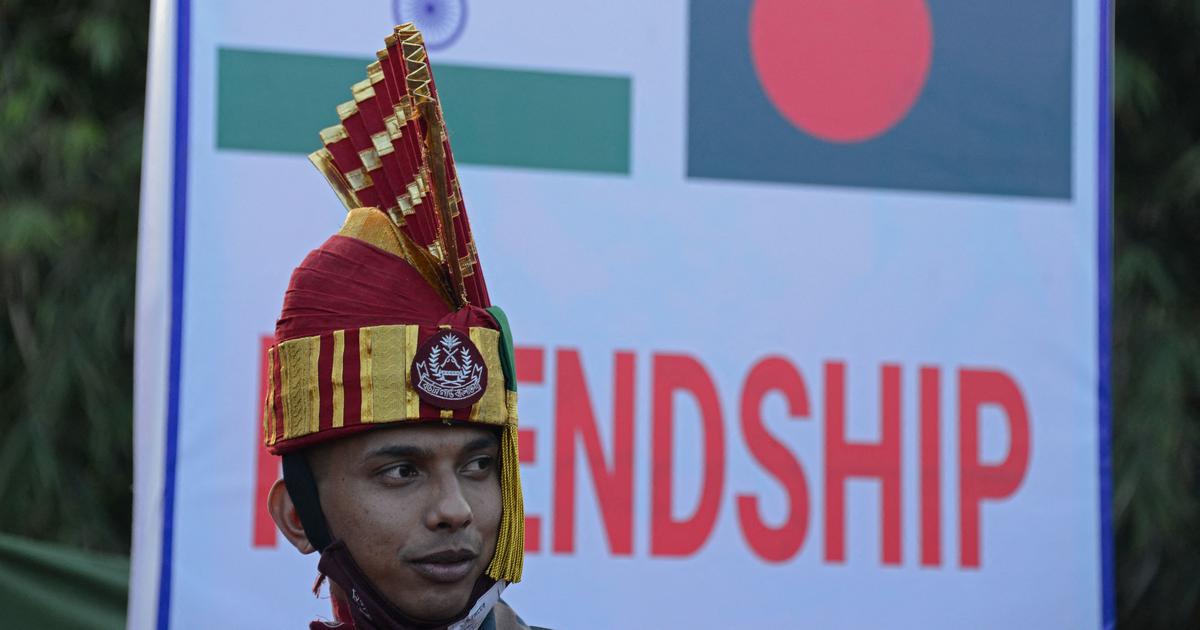
India has called on Bangladesh to accelerate the verification process of undocumented Bangladeshi migrants, emphasizing the need for smooth repatriation. The plea comes in light of over 2,862 pending nationality verification cases that have been stuck for years, as outlined by Randhir Jaiswal, spokesperson for the Ministry of External Affairs. This issue has gained prominence following comments made by Bangladesh’s Foreign Minister Khalilur Rahman regarding the alleged ‘push backs’ by Indian border guards, which have drawn attention and concern in both nations.
During a recent press briefing, Jaiswal highlighted that many cases have lingered for more than five years, indicating a systemic delay that complicates the repatriation process. He stressed that effective collaboration from Bangladesh is crucial for addressing the core issue of illegal migration. Jaiswal remarked, “These comments regarding pushbacks should be understood within the larger framework of ensuring a streamlined repatriation process for undocumented individuals from Bangladesh.”
The backdrop to this diplomatic discussion is marked by ongoing tensions at the India-Bangladesh border. The allegations of Indian border guards pushing individuals back into Bangladesh have raised eyebrows in Dhaka, prompting officials to assert that they would take necessary measures to safeguard their nationals. As the dialogue continues, both nations must navigate the complexities of migration that affect thousands of individuals on both sides.
Meanwhile, in Tamil Nadu, the political scenario is heating up as the Viduthalai Chiruthaigal Katchi (VCK) leader Thol Thirumavalavan revealed that Vijay, the head of Tamilaga Vettri Kazhagam (TVK), has approached him seeking support to form a potential government. This initiative has garnered attention from multiple political factions, with the Communist Party of India also confirming that TVK’s general secretary, “Bussy” Anand, has reached out for their backing. The evolving political landscape in Tamil Nadu signals shifting alliances and could have significant implications for the state’s governance.
The interplay between national and regional political dynamics showcases the vibrant and often tumultuous nature of Indian democracy. As issues regarding migration and regional governance unfold, the need for constructive dialogue and cooperation remains paramount. Stakeholders from various sectors must work towards solutions that address the humanitarian aspects of migration while also respecting national security and sovereignty.