Debt Risk and Financial Vulnerability Among Indian Ex-Servicemen Working Abroad (Qatar Case Study)
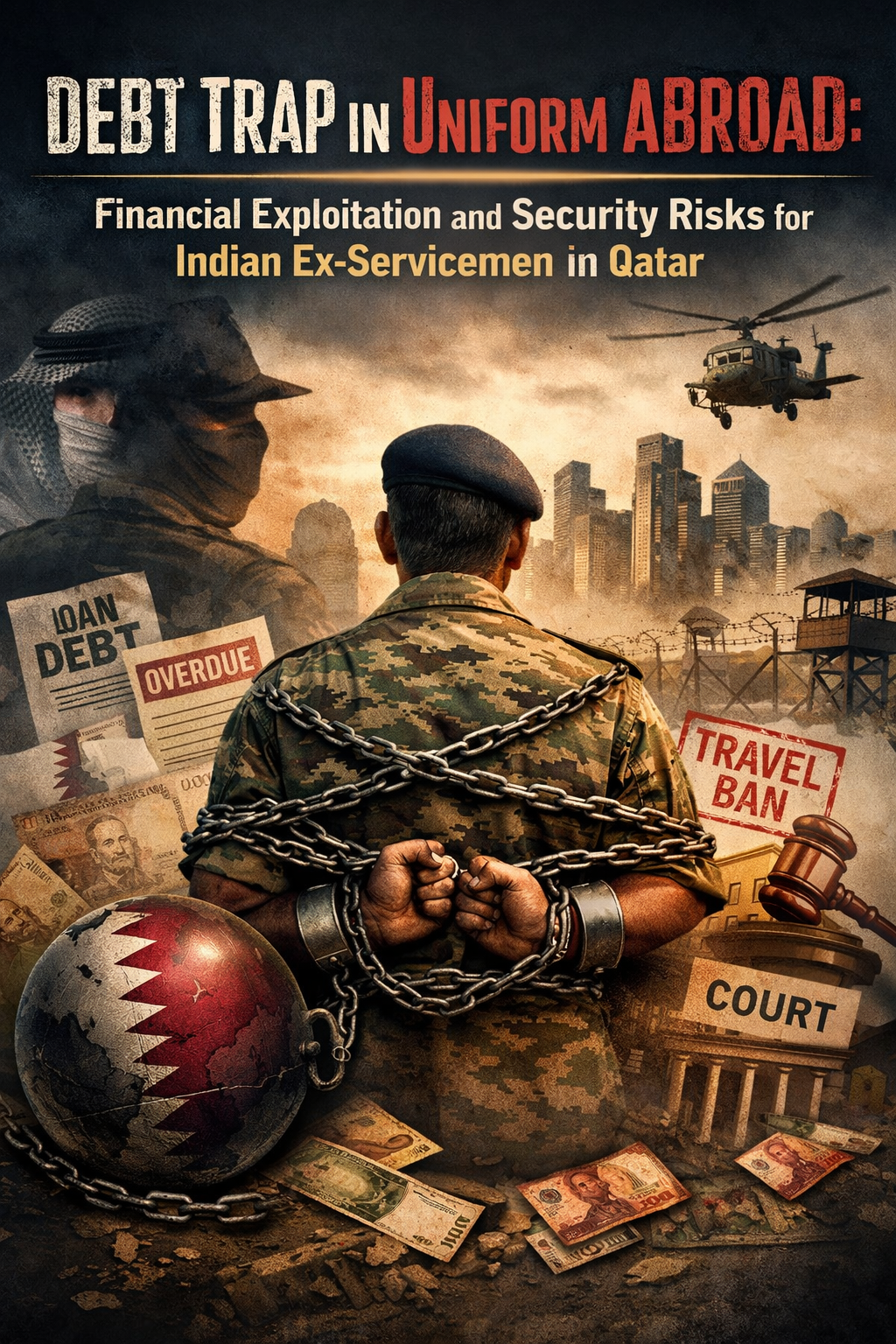
In recent years, a growing number of retired personnel from the Indian Armed Forces have explored employment opportunities abroad, particularly in Gulf countries. Among these destinations, Qatar has emerged as one of the preferred options due to its structured security-related employment roles and comparatively attractive compensation packages. For many ex-servicemen, such opportunities represent a second career phase with financial stability and dignity.
However, alongside these opportunities, some reports and individual experiences have highlighted financial risks and vulnerabilities that deserve closer attention. These concerns primarily relate to recruitment structures, lending practices, and employment-linked financial commitments.
Recruitment Ecosystem and Financial Commitments
Ex-servicemen are often placed through private recruitment agencies that act as intermediaries between candidates and foreign employers. These agencies typically highlight benefits such as tax-free salaries, accommodation, and healthcare support.
In some cases, upon arrival in host countries, employees may also be offered financial products such as personal loans linked to employment contracts. These loans are often structured based on projected salary continuity and long-term employment stability.
For individuals supporting families or managing pre-existing obligations, such financial options may appear necessary or beneficial at the time of acceptance.
Debt Exposure and Financial Stress Risks
A key concern arises when employment conditions change unexpectedly. In certain situations reported across overseas job markets, issues such as:
- salary delays
- revised compensation structures
- contract restructuring
may affect financial planning assumptions.
When income continuity is disrupted, repayment obligations linked to loans may become difficult to manage. This can result in financial stress, increasing the risk of debt accumulation.
It is important to note that such outcomes depend heavily on individual circumstances, contract terms, and employer policies.
Legal and Administrative Frameworks
In many Gulf countries, financial obligations are governed by strict legal systems. In cases of loan default, banks may initiate recovery proceedings in accordance with local law.
One possible consequence in such jurisdictions may include travel restrictions until financial obligations are resolved. These measures are part of regulatory enforcement systems and vary based on case specifics.
For expatriates, such situations can create practical challenges related to mobility, employment continuity, and financial recovery.
Structural Considerations in the Employment Chain
The overseas employment process typically involves multiple stakeholders, including:
- recruitment agencies
- employers
- financial institutions
- regulatory authorities
Each entity operates within its defined role and jurisdiction. However, the alignment of employment-linked financial products with contract-based income can create dependency on stable employment conditions.
When employment conditions fluctuate, individuals may experience disproportionate financial pressure due to fixed repayment obligations.
Human and Social Impact
Beyond financial considerations, overseas employment challenges can also have emotional and social impacts. Individuals may face:
- stress related to financial obligations
- uncertainty regarding employment stability
- pressure to support families back home
For many workers, including former defence personnel, managing these transitions requires careful financial planning and awareness of contractual obligations.
Risk Awareness and Preventive Measures
To reduce financial vulnerability, several precautionary steps are often recommended:
- reviewing loan terms carefully before acceptance
- understanding contract stability and salary conditions
- avoiding over-reliance on credit linked to employment assumptions
- maintaining emergency financial buffers
- seeking independent financial advice where possible
For returning or departing employees, ensuring proper closure of financial commitments and documentation is also important.
Conclusion
The experience of Indian ex-servicemen working abroad highlights an important policy and awareness area: the intersection of overseas employment and financial exposure. While such opportunities can provide meaningful career transitions, they also require careful evaluation of financial risks and contractual obligations.
Strengthening awareness, transparency in recruitment, and responsible financial planning can help ensure that overseas employment remains a stable and beneficial opportunity for retired defence personnel.