




In recent months, India has witnessed a surge in protests by contract workers across various industrial regions, particularly in Manesar and Noida, located in the National Capital Region. The government’s response has been a barrage of First Information Reports (FIRs), citing numerous clauses from the Bharatiya Nagarik Suraksha Sanhita. While these FIRs may initially seem like routine reports of public disorder—encompassing charges like unlawful assembly, rioting, and assaults on law enforcement—they serve a more profound purpose. They are transforming wage-related labor disputes into issues of public order and criminality.
The ongoing labor unrest spans multiple states, from Bihar’s Barauni to Punjab’s Panipat, and Haryana’s Faridabad, reflecting a common thread: a workforce pushed to its limits. Workers are grappling with stagnant wages, soaring living costs, extended 12-hour shifts compensated as if they were only eight, and a precarious job landscape exacerbated by the recent cooking gas shortage. The collective discontent underscores a wider crisis affecting contract laborers in India as they navigate their rights in an environment where they are often deemed formally employed yet substantively unprotected.
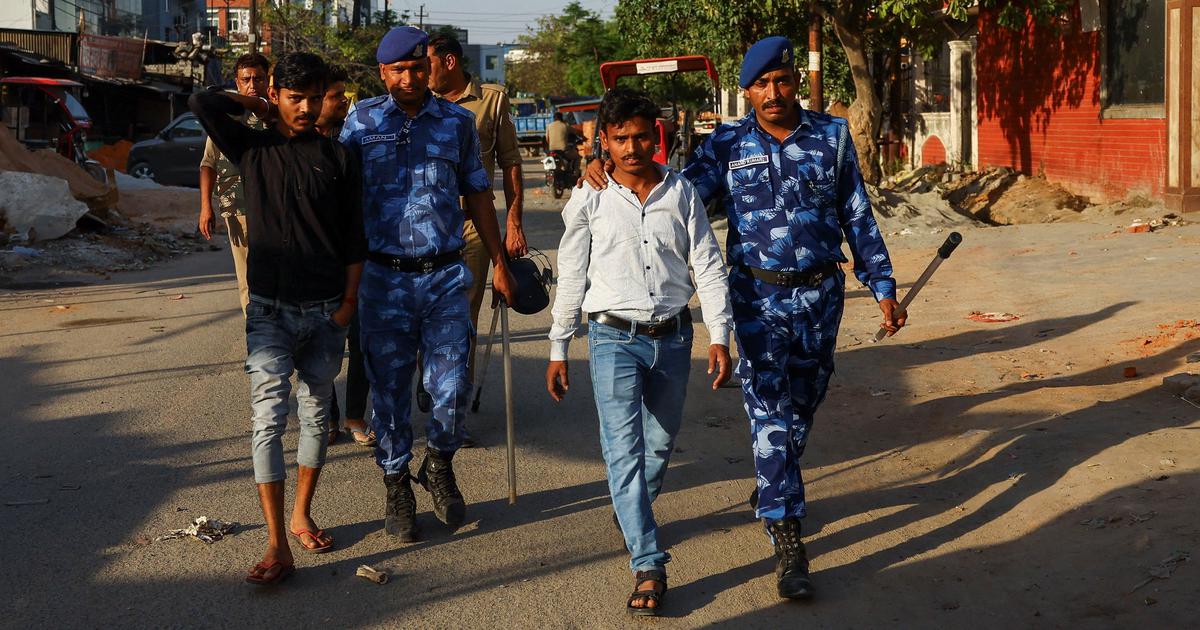
In April, workers in Noida staged protests that were initially overlooked by authorities but soon met with prohibitory orders and mass detentions under Section 170 of the Bharatiya Nagarik Suraksha Sanhita. This shift from apathy to aggressive policing exemplifies how the state is reframing labor rights as criminal acts. Rather than addressing the grievances of the workers, the focus has turned to maintaining public order, which raises concerns about the erosion of workers’ rights and the criminalization of legitimate dissent.
This trend poses significant questions regarding the future of labor relations in India. The protests are not isolated incidents; they are part of a larger narrative unfolding across the nation, where contractual employment is becoming the norm rather than the exception. Labor laws that once provided protections seem increasingly inadequate as they fail to keep pace with the realities of modern employment practices.
As the protests continue to unfold, it remains to be seen how the government will address the root causes driving these labor disputes. While the FIRs may appear to uphold law and order, they also signify a troubling trend where the voices of the working class are stifled, suggesting a widening gap between economic policy and labor welfare. For many workers, the struggle for fair wages and safe working conditions is now intertwined with the risk of criminal charges, leaving them in a precarious position and challenging the fundamental rights of labor in India.

