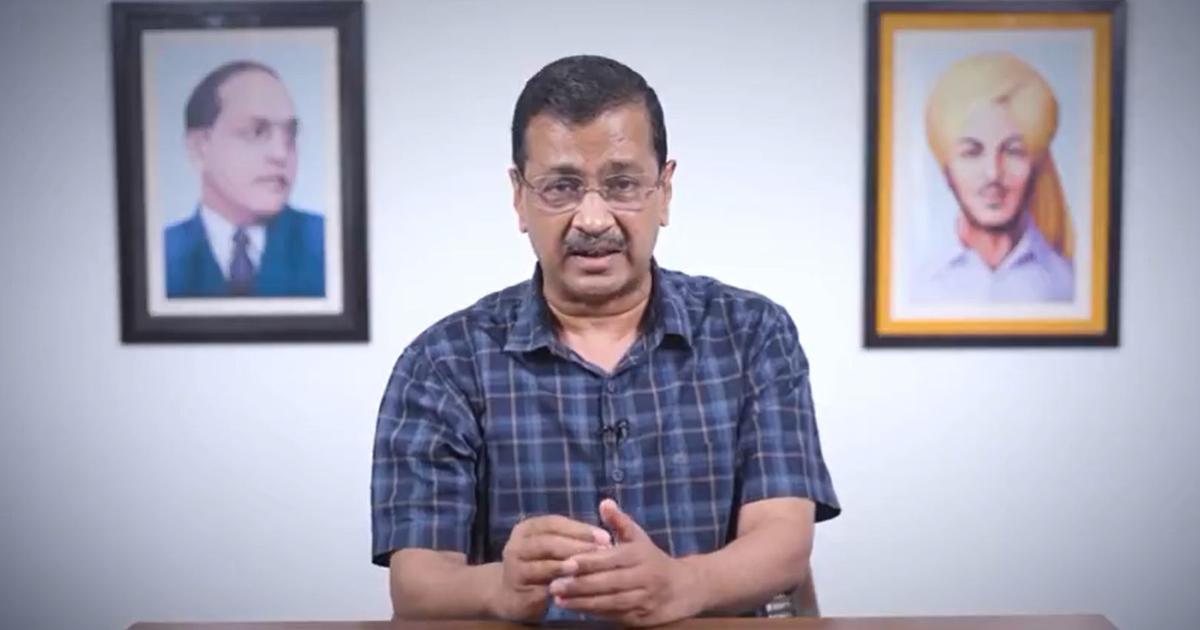
India’s commitment to acquiring Russian oil remains unwavering, even in light of the recent U.S. sanctions waivers. Sujata Sharma, Joint Secretary in the Union Ministry of Petroleum and Natural Gas, stated on Monday that India has been consistently purchasing oil from Russia, regardless of the status of American sanctions. This approach underscores India’s focus on ensuring the country’s energy security amidst geopolitical tensions.
During a media briefing, Sharma emphasized that India initiated its trade with Russia well before any waivers were granted by the United States. “We have been sourcing oil from Russia before the waivers, during them, and we continue to do so now,” she explained. This stance highlights India’s pragmatic approach to energy sourcing, which prioritizes commercial viability over political considerations.
The joint secretary further assured reporters that there is no anticipated shortage of crude oil supplies in the country. Sharma noted, “Waiver or no waiver, it will not affect our supplies, and all efforts have been taken to that effect.” This statement is particularly relevant as global oil markets grapple with ongoing disruptions caused by conflicts in West Asia.
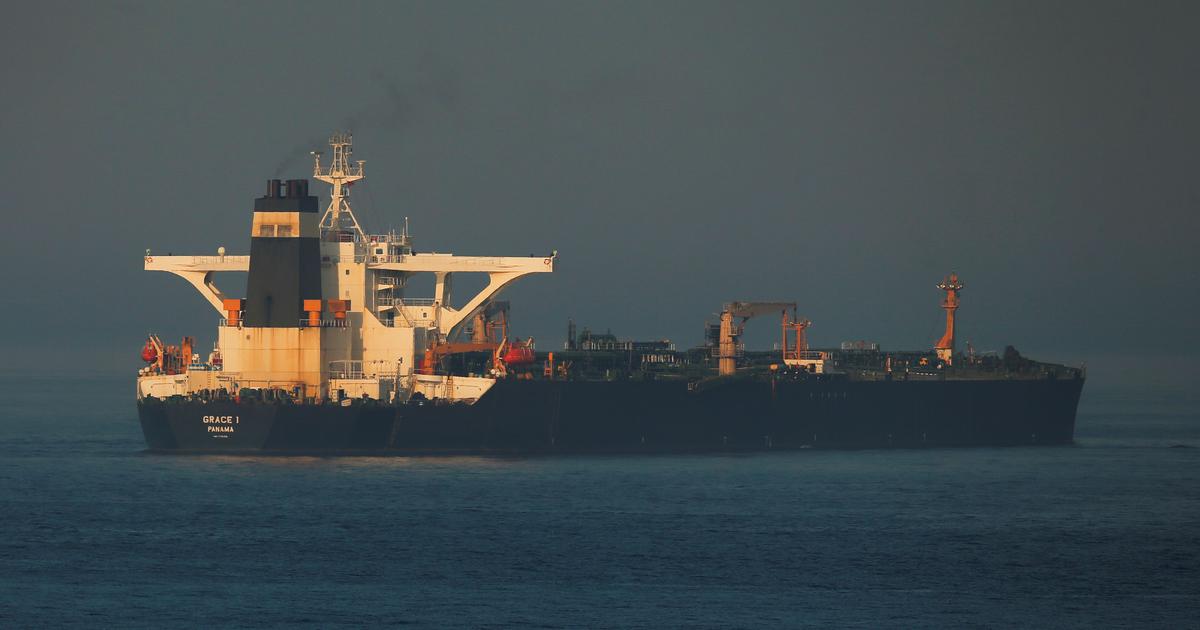
On March 5, the U.S. issued a 30-day waiver permitting Indian refiners to purchase Russian oil that had become stranded at sea due to logistical challenges stemming from the geopolitical climate. Shortly after, this waiver was extended to other nations, allowing them access to Russian crude that had been loaded prior to March 11. Recently, U.S. Treasury Secretary Scott Bessent mentioned that the country is again extending a temporary 30-day general license to facilitate access to Russian oil currently stranded at sea.
This strategic decision by India to maintain its oil imports from Russia poses intriguing questions about the future of global energy trade, particularly as countries navigate the complexities of international relations and energy independence. With the backdrop of rising oil prices and fluctuating global supply chains, India’s actions could significantly shape the regional dynamics in energy sourcing. As the world’s third-largest oil consumer, India’s choices will have far-reaching implications not just for its own economy but for global markets as well.