Delhi High Court Demands Responses from AAP Leaders in Contempt Case Over Alleged Defamation of Judge
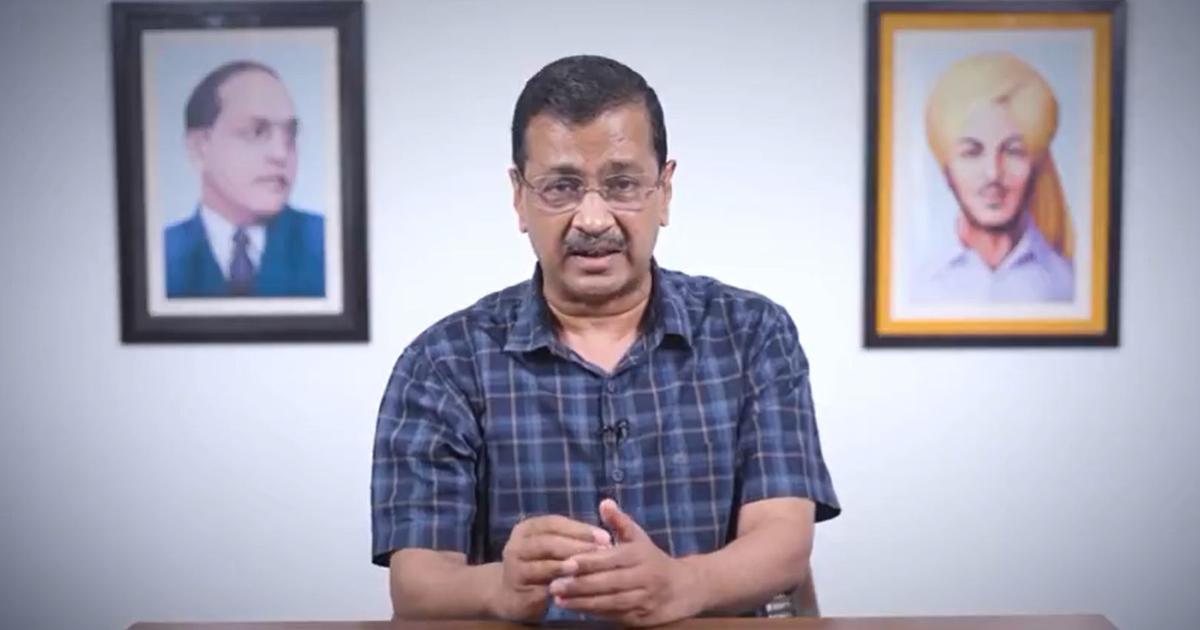
The Delhi High Court has taken a significant step by requesting responses from prominent Aam Aadmi Party (AAP) leaders, including Chief Minister Arvind Kejriwal and his deputy Manish Sisodia, in a criminal contempt case. This legal action stems from allegations that they defamed Justice Swarana Kanta Sharma through derogatory remarks on social media, particularly related to the contentious liquor policy case.
A bench comprising Justices Navin Chawla and Ravinder Dudeja instructed the accused to submit their responses within a four-week timeframe. Additionally, the court has mandated the preservation of the allegedly offensive materials that triggered the contempt proceedings, as reported by various legal news platforms.
The origins of this case can be traced back to May 14, when Justice Sharma initiated contempt proceedings after expressing concerns regarding the conduct of Kejriwal, Sisodia, and AAP leader Durgesh Pathak. The judge accused them of making defamatory statements that could compromise the integrity of the judiciary. In a notable move, she also recused herself from the ongoing hearings in a related Central Bureau of Investigation (CBI) case, emphasizing the potential for perceived bias if she continued to preside over the matter. “It could be that if I keep hearing this case, Arvind Kejriwal and other people might think that I have a grudge against him,” she stated, leading to the reassignment of the case to a different bench.
The backdrop of this controversy is the ongoing scrutiny surrounding the AAP’s liquor policy, which has been under investigation by the CBI. The party’s leaders previously boycotted court proceedings related to this case, heightening tensions with the judiciary. The allegations of defamation against Justice Sharma have added another layer to the complex legal battles faced by the AAP.
This latest development has sparked debates about the boundaries of political discourse, especially in the context of a powerful judiciary. Observers note that the case could have far-reaching implications not only for the AAP but also for the relationship between political leaders and the judiciary in India. As the situation unfolds, all eyes will be on how the court proceedings progress and the responses from the accused leaders.