




In a significant development in international relations, Iran has announced that it will not be partaking in the second round of talks with the United States, which were scheduled to take place in Islamabad, Pakistan. This announcement was made by Iran’s state broadcaster, IRIB, on Monday, following statements from U.S. President Donald Trump regarding the planned discussions.
The impending negotiations were set against the backdrop of a two-week ceasefire that has been in effect in West Asia since April 8 and is scheduled to conclude on Wednesday. This ceasefire has been a critical attempt to ease tensions in a region long plagued by conflict. However, Iran’s withdrawal from the talks suggests a potential escalation in diplomatic strains between the two nations.
Adding to the tension, President Trump revealed that a U.S. delegation would arrive in Islamabad on Monday for discussions with Iranian officials. The decision to skip these negotiations raises questions about the future of diplomatic engagement and could have implications for broader regional stability.
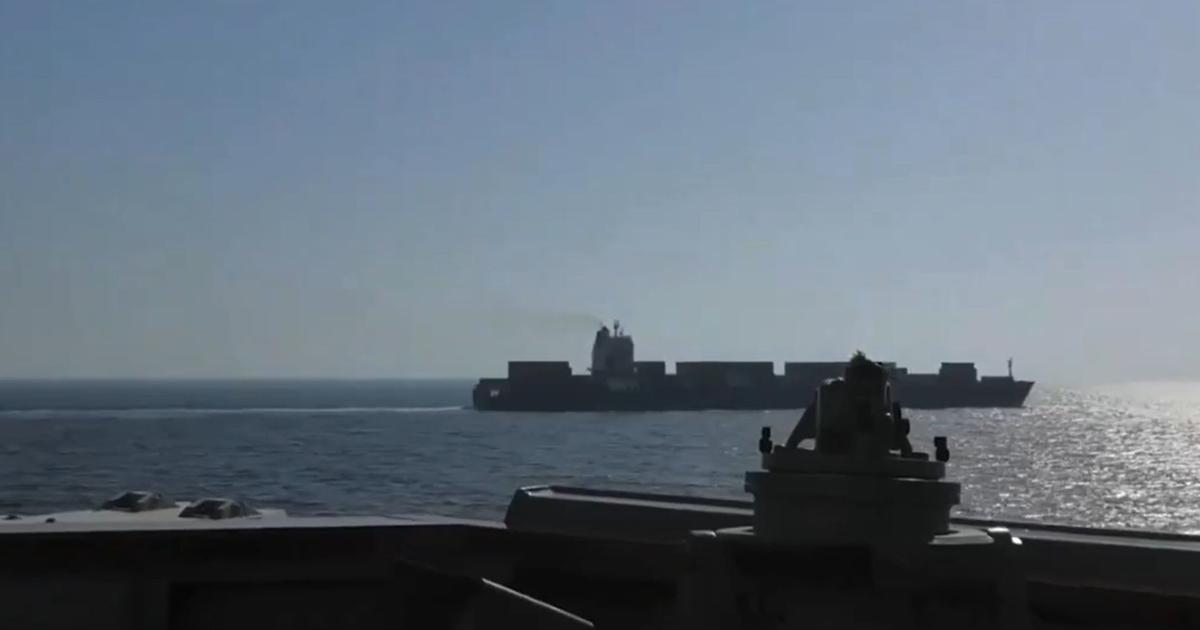
Meanwhile, U.S. military actions in the region have drawn significant attention. On Sunday, President Trump confirmed that the U.S. Navy had fired upon and captured an Iranian cargo vessel, the Touska. The ship allegedly attempted to breach a naval blockade enforced by the U.S. in the Arabian Sea while heading towards the Iranian port of Bandar Abbas. This military operation unfolded after U.S. forces issued multiple warnings over a six-hour period, which the crew of the vessel reportedly ignored.
The USS Spruance, a guided-missile destroyer, was responsible for intercepting the Touska, striking its engine room before U.S. soldiers boarded the ship to gain control. This incident is part of a broader enforcement of naval blockade measures aimed at restricting Iranian shipping and serves as a stark reminder of the escalating maritime tensions in the region.
As the ceasefire nears its expiration, the lack of dialogue between Iran and the U.S. could hamper efforts to stabilize West Asia. With military actions juxtaposed against the backdrop of failed negotiations, the region remains on edge. Analysts suggest that the refusal of Iran to engage further with the U.S. may complicate future diplomatic endeavors and exacerbate existing conflicts.
In the context of India, these developments are particularly noteworthy, considering India’s longstanding ties with both the U.S. and Iran. As a nation that advocates for peace and stability in the region, India’s response to such geopolitical shifts will be crucial in navigating the complexities of its foreign relations.

