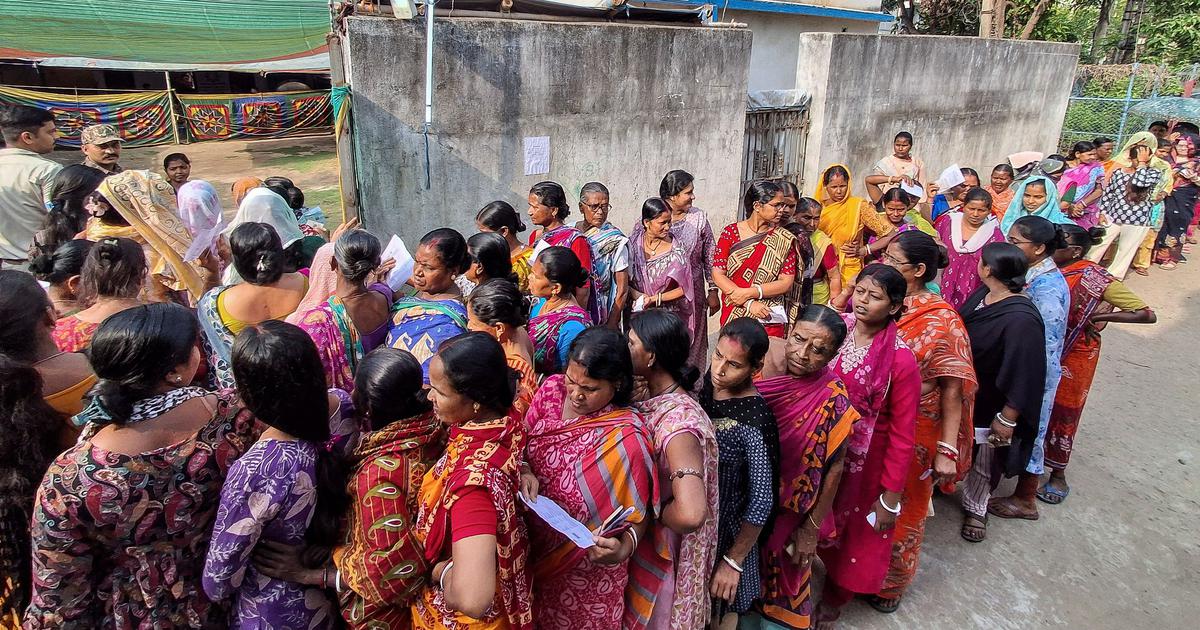
As the sun broke through the clouds in Kolkata, an air of anticipation filled the city with the arrival of election day. At a government school polling station in my neighborhood, excitement mingled with confusion as residents gathered to exercise their democratic rights. Amidst the crowd, a jovial exchange caught my attention: a middle-aged local exclaimed to a fellow voter, “So you made it to the voter list! I thought you were from another country!” Their laughter echoed the camaraderie that often defines our elections, yet beneath this light-hearted moment lay a deeper frustration.
Having completed my voting process, I was on a mission to locate my parents, who had accompanied me to the polls. To my astonishment, we found ourselves at different polling stations due to the Election Commission’s chaotic revision of voter rolls. Despite living under the same roof, my family was suddenly fragmented by administrative decisions that left us scrambling to find each other in the bustling crowd.
This experience was not unique to my family. As I stood in line, I overheard numerous conversations echoing similar sentiments of confusion and discontent. Many voters shared tales of unexpected polling station changes that had made the voting process more complicated than necessary. What was termed by the Election Commission as ‘booth rationalisation’ felt anything but logical from the ground up. Instead of streamlining the voting process, the initiative seemed to have sown chaos and uncertainty among the electorate.
The backdrop to this electoral mismanagement stems from a broader context of electoral reforms and the shifting political landscape in West Bengal. With the stakes higher than ever, the 2024 elections promised to be a battleground for significant political rivalry. Yet, these administrative hiccups risked overshadowing the very essence of democracy—the right to vote without hindrance. As the Election Commission strives to improve voter accessibility and inclusivity, incidents like these remind us that the path to reform is fraught with challenges that must be navigated carefully.
As I finally located my parents outside the polling station, we shared a collective sigh of relief, but also a sense of disbelief at the situation. While we celebrated our ability to vote, it was clear that the experience left many in our community feeling frustrated and disillusioned. The need for more streamlined communication and clearer guidelines surrounding polling station changes is urgent. As India continues to evolve in its democratic practices, ensuring voters can navigate these systems with ease should be paramount. This election cycle is a crucial time for reflection on how we can better serve the electorate and maintain the sanctity of their right to vote.