Ladakh’s New Excise Policy Sparks Controversy as Government Pushes Alcohol to Combat Drug Abuse
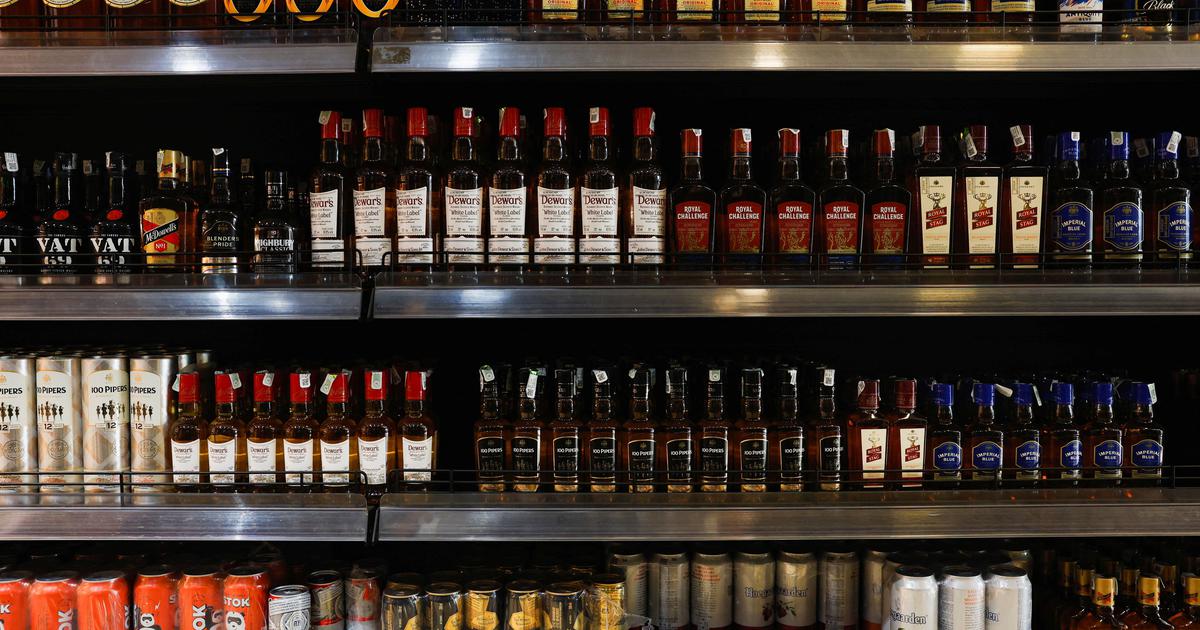
In a surprising turn of policy, the Ladakh administration has lifted long-standing restrictions on alcohol sales in the region, aiming to tackle the growing issue of drug addiction. Previously, the cold desert territory had maintained a stringent excise policy that permitted only two liquor shops in Leh, limited to selling just beer and wine. However, as of May 31, this policy has undergone a significant transformation, allowing for the sale of hard liquor for the first time.
Under the revamped excise policy, the Ladakh administration announced that 20 new liquor outlets would be established throughout the Union Territory. This policy shift does not stop at just retail outlets; guest houses and homestays are now also permitted to sell alcohol, a privilege that was previously reserved exclusively for hotels. The rationale provided by the government for this radical change aims at addressing the soaring rates of drug addiction, claiming that the availability of alcoholic beverages could offer a safer alternative.
According to a statement issued by the office of Lieutenant Governor Vinai Kumar Saxena, the new regulations are intended “to curb the growing dependence on narcotics and drugs” while simultaneously providing the local population with a broader selection of low-alcohol-content beverages. The administration suggests that this initiative could redirect social habits away from illicit drugs and towards regulated alcohol consumption.
However, this move has ignited a backlash from various civil society organizations in Ladakh, who have publicly criticized the administration’s decision. Many locals and activists argue that the introduction of hard liquor will not effectively address the underlying issues of drug addiction and could potentially exacerbate the problem by increasing alcohol-related harm in the community.
Furthermore, the timing of this policy change comes amid ongoing discussions between Ladakhi civil society groups and the central government regarding demands for greater autonomy. Critics fear that the new excise policy could be seen as a diversion from more pressing issues, such as the need for improved healthcare and rehabilitation services for those struggling with addiction. Some community leaders are calling for more comprehensive strategies to combat substance abuse, focusing on education and support rather than merely altering the landscape of alcohol availability.
As Ladakh navigates its unique challenges, the impact of the new excise policy remains to be seen. While the government advocates for a shift towards regulated alcohol sales as a solution to drug dependence, local communities are left grappling with the potential consequences of increased alcohol availability in a region that has historically been cautious about substance use. The coming months may reveal whether this controversial approach will alleviate the drug crisis or if it will lead to further complications in an already vulnerable society.