Maharashtra Minister Nitesh Rane Sentenced to One Month in Jail for Public Humiliation of Engineer
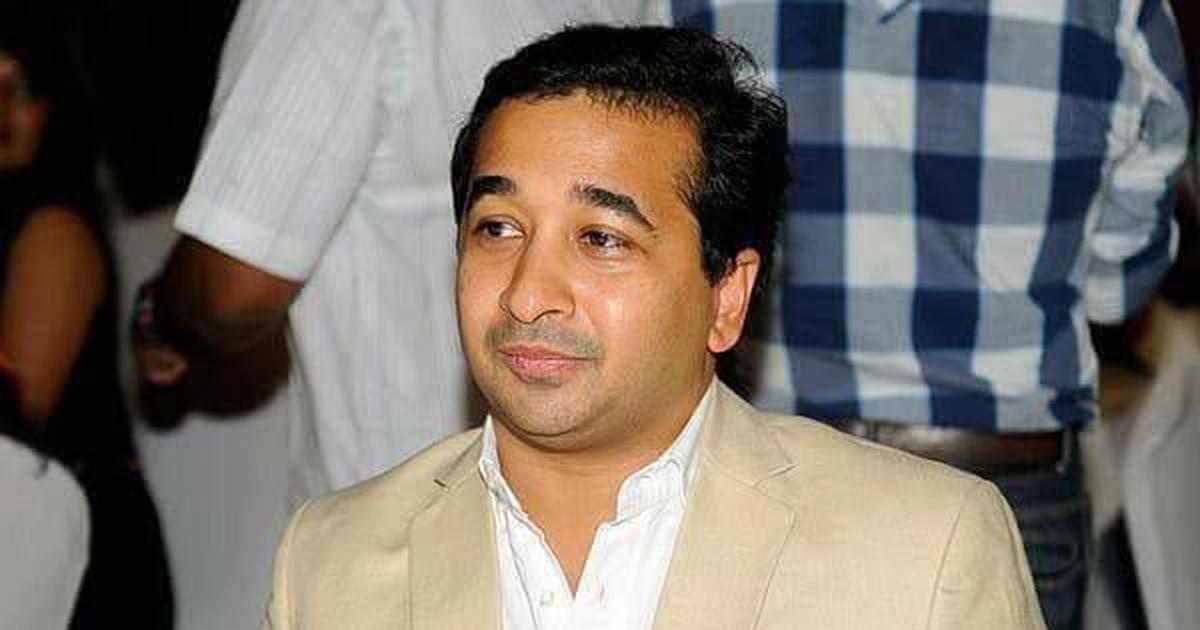
A court in Sindhudurg, Maharashtra, has sentenced Nitesh Rane, a prominent leader of the Bharatiya Janata Party (BJP), to one month in jail for his involvement in a shocking public humiliation incident. The controversy dates back to July 4, 2019, when Rane, who was then a Congress MLA, was inspecting potholes on the Mumbai-Goa highway. Frustrated with the poor state of the road, he resorted to an extreme display of anger against Prakash Shede, a civic engineer associated with the National Highways Authority of India (NHAI).
During the inspection, Rane was filmed pushing Shede while his supporters doused the engineer with buckets of mud. In a video that circulated widely on social media, Rane can be heard instructing his followers, “Throw it [mud] on him,” as they tied Shede to a bridge in a shocking display of public humiliation. This incident drew widespread condemnation and raised serious questions about the treatment of public servants in the state.
On Monday, Additional Sessions Court Judge VS Deshmukh pronounced the verdict, asserting that while Rane’s intentions might have been to highlight the appalling quality of work and the grievances of the public, his actions were not justifiable. The judge emphasized that no public servant should be subjected to such indignities, which undermine their ability to perform their duties with respect and dignity. Rane’s actions were deemed unacceptable, regardless of the context.
Following his conviction, the court temporarily suspended Rane’s sentence, allowing him the opportunity to appeal the ruling in a higher court. This provision has sparked discussions about the accountability of public figures and the need for decorum in addressing grievances against public service professionals. Rane’s case reflects broader issues of governance and the relationship between elected officials and civil servants in India.
This incident has reignited debates about the standards of conduct expected from public representatives, particularly in a country where citizens often express their frustrations regarding infrastructure and public services. While Rane’s actions were aimed at spotlighting poor infrastructure, they also raised concerns about how politicians interact with their constituents and the professionals tasked with serving them. The implications of this case extend beyond Rane himself, potentially affecting how political leaders engage with public servants in the future.