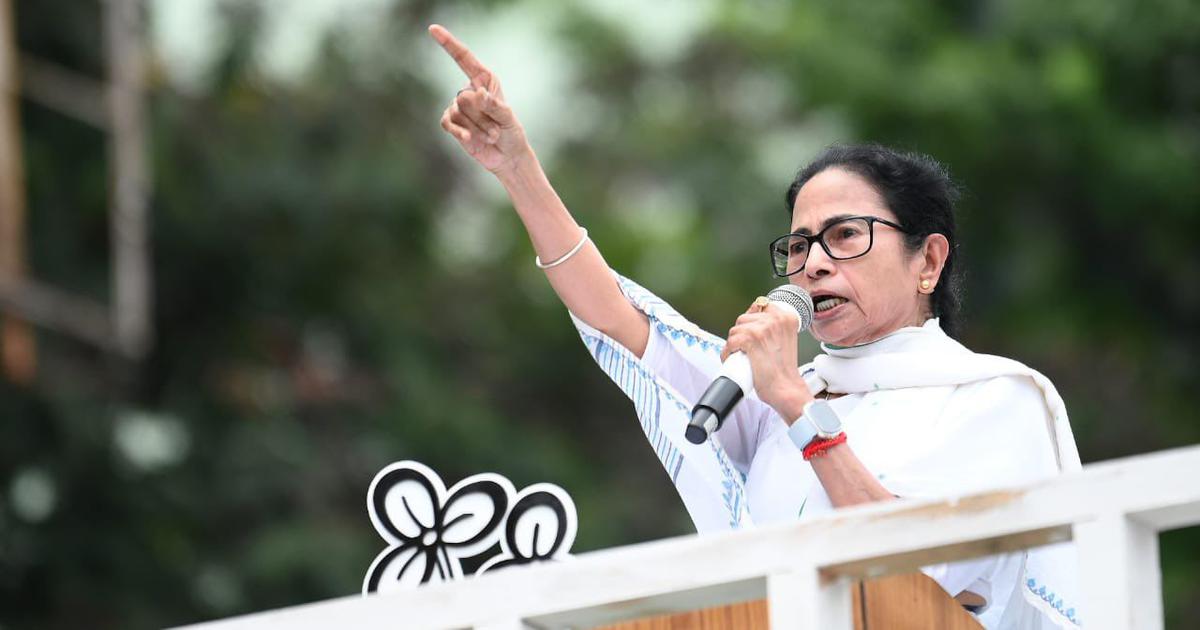
In a significant turn of events, Trinamool Congress (TMC) leader Mamata Banerjee has approached the Calcutta High Court to contest the recent election results from the Bhabanipur Assembly constituency. This move comes after her defeat to Bharatiya Janata Party (BJP) leader Suvendu Adhikari, who secured victory by a margin exceeding 15,100 votes.
Banerjee, who previously served as the Chief Minister of West Bengal, has been a prominent figure in the state’s political landscape. Her recent electoral setback in Bhabanipur is particularly notable as it comes on the heels of a 15-year reign by her party, TMC, which saw its dominance challenged in the recent state polls. The BJP’s success in these elections marked a significant shift in West Bengal’s political dynamics, with Adhikari emerging as the first BJP Chief Minister of the state.
This isn’t the first time Banerjee has sought redress through legal channels following a loss. Back in 2021, she filed a similar petition after her defeat to Adhikari in Nandigram, where she lost by a narrow margin of 1,956 votes. This pattern of contesting election results could signal Banerjee’s determination to uphold her political influence and challenge the BJP’s growing presence in the state.
The implications of this legal challenge might extend beyond just the Bhabanipur constituency. It reflects the intense rivalry between the TMC and BJP, which has escalated since the 2021 state elections. As political tensions rise, the outcome of Banerjee’s petition could shape the future political landscape of West Bengal and influence upcoming elections.
As the court proceedings unfold, all eyes will be on how this legal battle develops and whether it will have any impact on the TMC’s strategy moving forward. With West Bengal being a crucial battleground for both parties, the stakes remain high as they vie for control over the state.