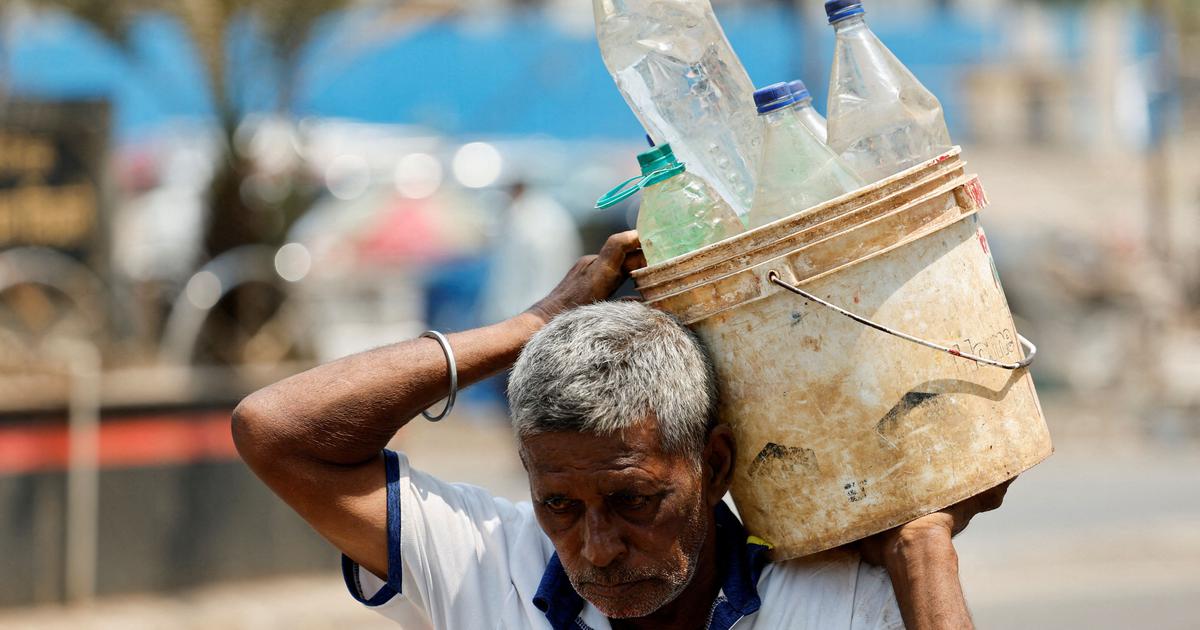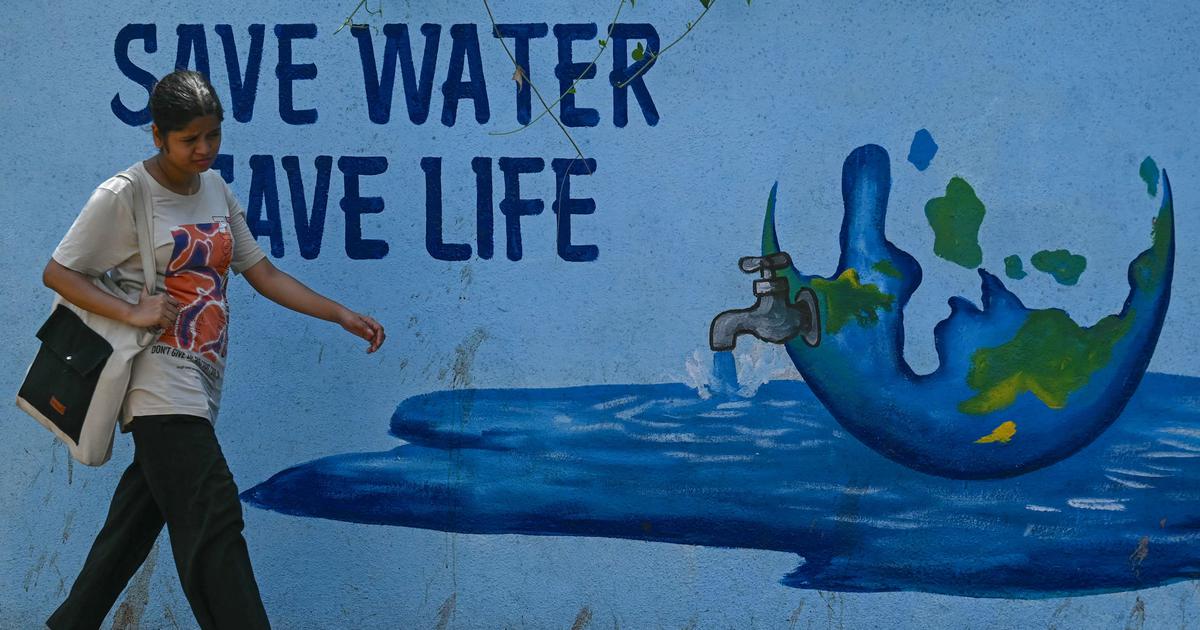
Mumbai, the bustling financial capital of India, is bracing itself for yet another summer of water scarcity, with groundwater reservoirs being significantly depleted to meet the city’s demands. As the monsoon season approaches, the city has seen a 10% reduction in its water supply since May 15, primarily due to decreasing water levels in its seven primary lakes, which are the main sources of freshwater. These lakes are heavily reliant on the seasonal rains, and with the monsoon still weeks away, the situation remains precarious.
The current water supply stands at approximately 4,100 million litres per day (MLD), while the demand soars to an estimated 4,665 MLD, creating a shortfall of around 565 MLD. This gap is being filled by private water tankers, which have become an essential lifeline for many residents. However, the situation took a turn when the Mumbai Water Tanker Association went on strike on June 7, protesting against the state government’s directive that required water suppliers to halt operations until they secured fresh licenses from the Central Ground Water Authority.
Following two days of public outcry and discussions, Maharashtra’s Chief Minister Devendra Fadnavis intervened, leading to the suspension of the strike. This incident shed light on a much larger issue that plagues Mumbai: its overwhelming dependence on groundwater resources. Activists and experts have voiced concerns about the lack of regulation governing groundwater extraction, which is a critical component of the city’s water supply strategy.
Groundwater activist Suresh Kumar Dhoka has highlighted the alarming statistics related to groundwater usage in the city. According to information obtained through a Right to Information (RTI) application, Mumbai is home to over 17,364 wells that are used commercially to sell water. This is alarming considering the National Green Tribunal’s mandate from 2015, which stated that all commercial groundwater users are required to obtain No Objection Certificates from the Central Ground Water Authority. Yet, many operators continue to extract water without proper oversight.
As the citizens of Mumbai wait anxiously for the monsoon rains, which are hoped to replenish the dwindling water reserves, the reliance on groundwater and the ineffectiveness of regulations raise pressing questions about the sustainability of the city’s water resources. The situation poses a critical challenge to ensure equitable access to water for all residents, particularly in a city where the realities of water scarcity sharply contrast with its image as a global metropolitan hub.