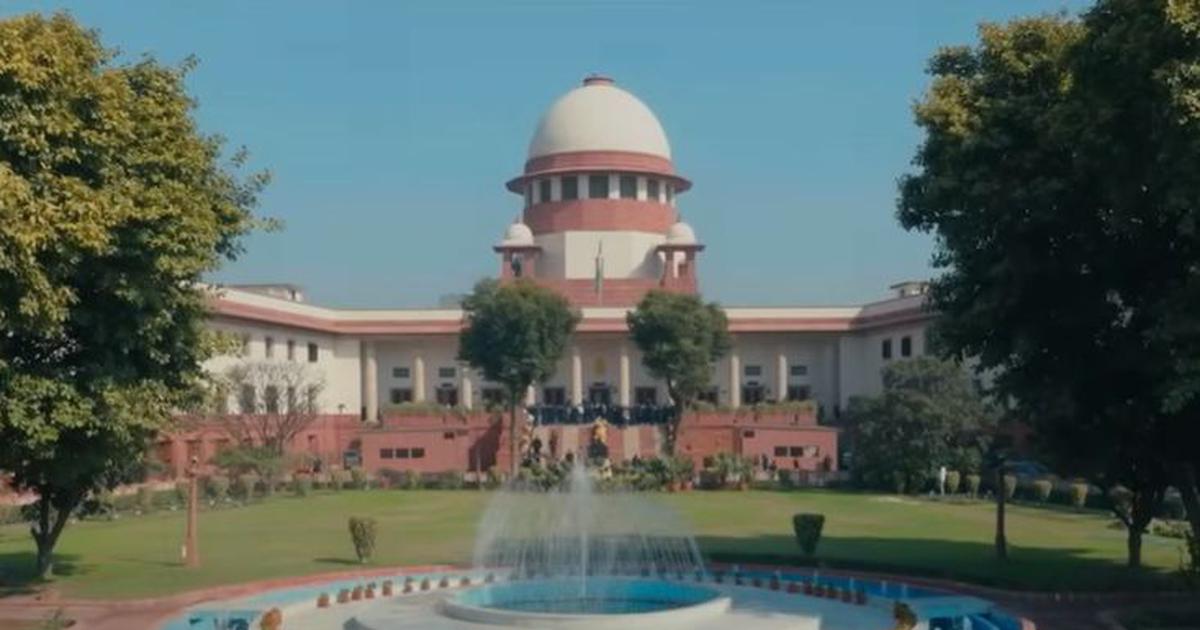
The All India Muslim Personal Law Board (AIMPLB) recently addressed the Supreme Court, clarifying that Islamic teachings do not prohibit women from visiting mosques. However, the board emphasized that women should not insist on entering through the main entrance or demand the removal of any barriers separating them from men during prayers. This significant declaration arose during a hearing concerning broader constitutional questions regarding women’s access to places of worship, including the revered Sabarimala temple in Kerala.
The ongoing case is linked to a landmark Supreme Court ruling from September 2018, in which a five-judge Constitution bench overturned the ban on women of menstruating age entering the Ayyappa temple at Sabarimala. This decision has opened up crucial discussions not just about Sabarimala but also about women’s rights in various religious spaces, including mosques. The Supreme Court is now tasked with exploring the delicate balance between the right to practice religion and the autonomy of religious groups to govern their internal matters.
During the proceedings, advocate M.R. Shamshad, representing the AIMPLB, responded to the petitions advocating for women’s rights to enter mosques and participate in communal prayers. The bench, led by Chief Justice Surya Kant, sought further clarification on the positions held by different Muslim sects regarding women’s access to mosques. This inquiry is particularly timely given the broader context of ongoing debates about gender equality and women’s rights in India.
The AIMPLB’s remarks highlight a complex intersection of cultural tradition and contemporary legal principles, setting the stage for a pivotal discussion on women’s roles within the Islamic faith. As the court deliberates these critical issues, the outcome could significantly influence not only religious practices but also the larger discourse surrounding women’s empowerment in India.
With the case drawing attention from various stakeholders, including religious leaders and women’s rights organizations, the Supreme Court’s final decision will likely resonate beyond mosques and temples, shaping the narrative around women’s rights in religious contexts across the nation.