Gauhati High Court Denies Anticipatory Bail to Congress Leader Pawan Khera in Defamation Case
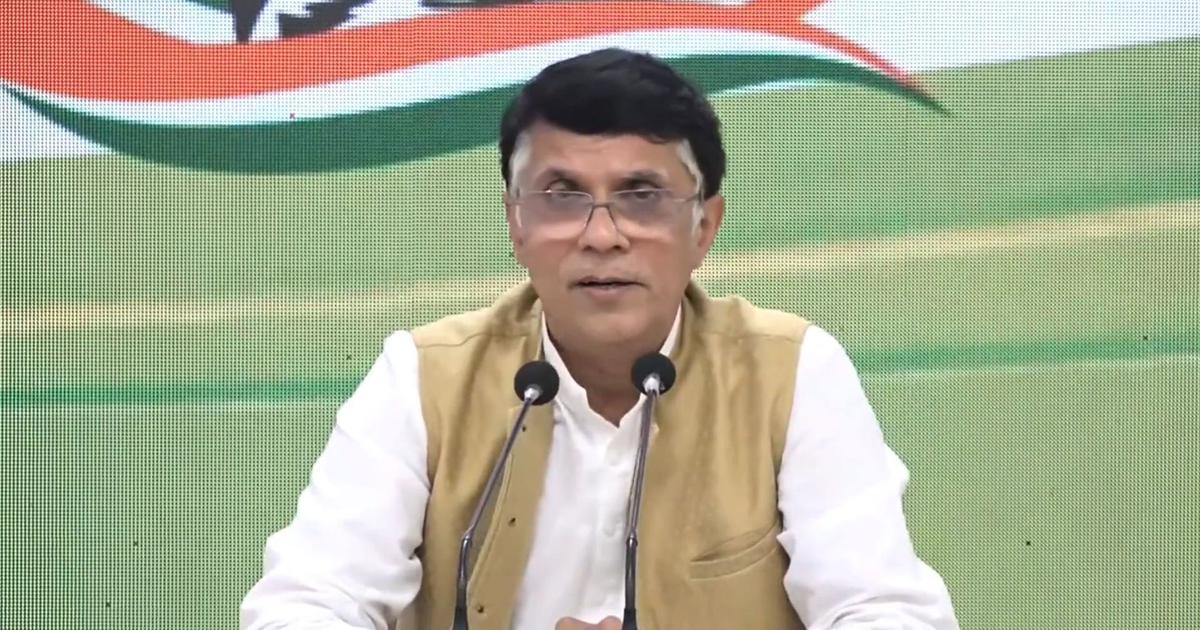
The Gauhati High Court has recently turned down the anticipatory bail plea of Congress leader Pawan Khera, embroiled in a legal tussle initiated by a complaint from Riniki Bhuyan Sarma, wife of Assam Chief Minister Himanta Biswa Sarma. The court’s decision, announced on Friday, adds a significant twist to an already contentious political scenario in the state.
Khera’s legal troubles began after he made allegations against Sarma, asserting that she possessed multiple foreign passports from countries including the United Arab Emirates, Egypt, and Antigua and Barbuda. The claims were made during a press conference on April 5, where Khera declared he had documentary evidence to back his statements. In response, Riniki Bhuyan Sarma filed a defamation suit against him, accusing him of using forged documents to make his allegations. The Chief Minister and his wife have vehemently denied all accusations, labeling Khera’s assertions as unfounded and malicious.
Justice Parthivjyoti Saikia presided over the case and initially reserved judgment on Khera’s bail request on April 21, only to ultimately reject the plea. This decision underscores the legal ramifications Khera faces amid a politically charged environment. Following the denial from the Gauhati High Court, Khera remains at risk of arrest, as the court did not grant him the protective relief he sought.
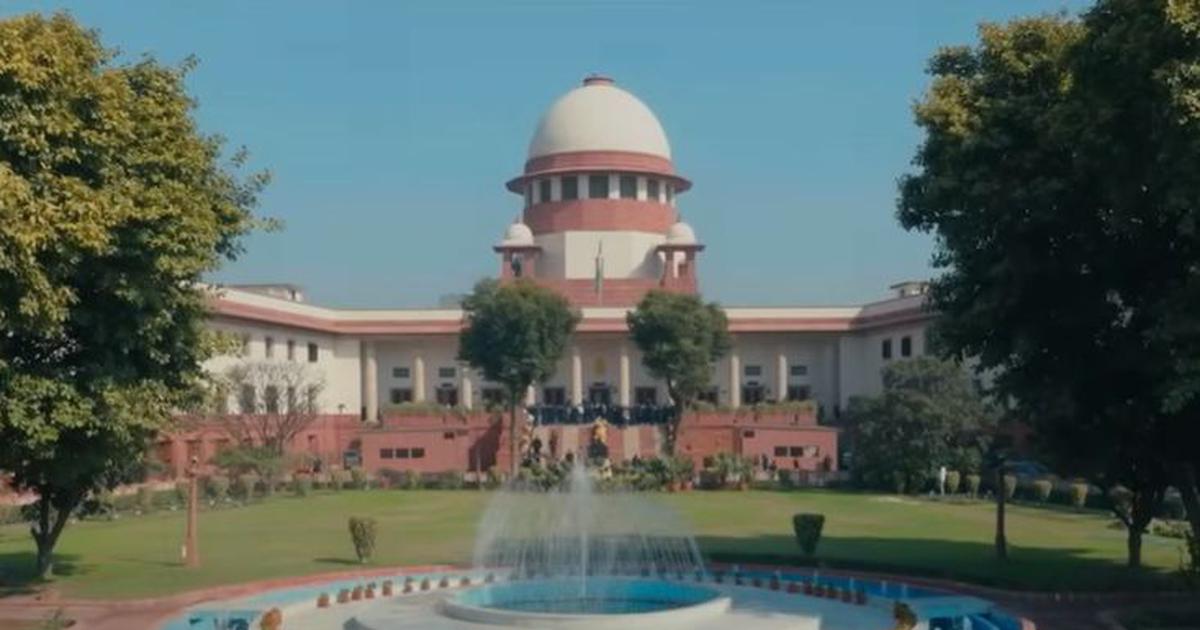
Interestingly, prior to the Gauhati court’s ruling, Khera had briefly secured transit anticipatory bail from the Telangana High Court, allowing him a temporary reprieve and enabling him to seek legal recourse in Assam. However, this order was swiftly stayed by the Supreme Court on April 15, directing Khera back to the Gauhati High Court to resolve the matter. The Supreme Court’s intervention highlights the complexities of legal proceedings, especially when intertwined with political narratives.
As the situation unfolds, Assam Chief Minister Himanta Biswa Sarma has accused Khera of relying on documents allegedly provided by a social media group based in Pakistan, further intensifying the political rhetoric surrounding the case. This allegation not only complicates Khera’s legal troubles but also raises broader questions about the authenticity of information being circulated in the politically charged atmosphere leading up to the upcoming elections.
The case has sparked discussions among political commentators and the general public alike, as it reflects the often tumultuous intersection of politics and law in India. With both parties standing firm in their positions, it remains to be seen how this case will evolve and what implications it will have on the political landscape in Assam and beyond.