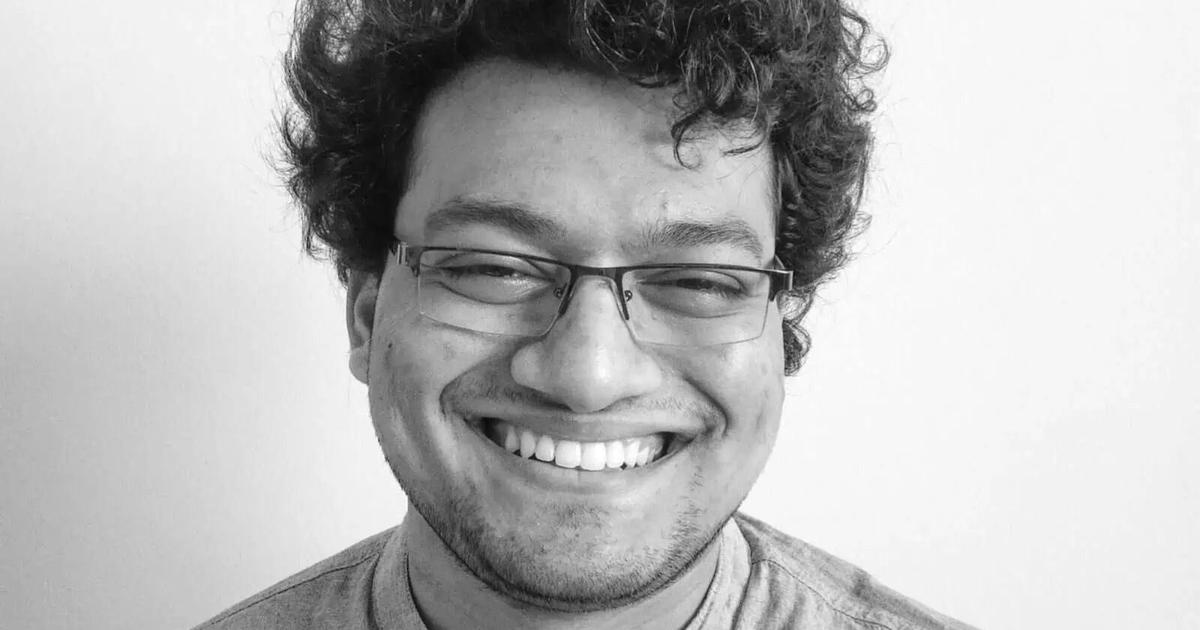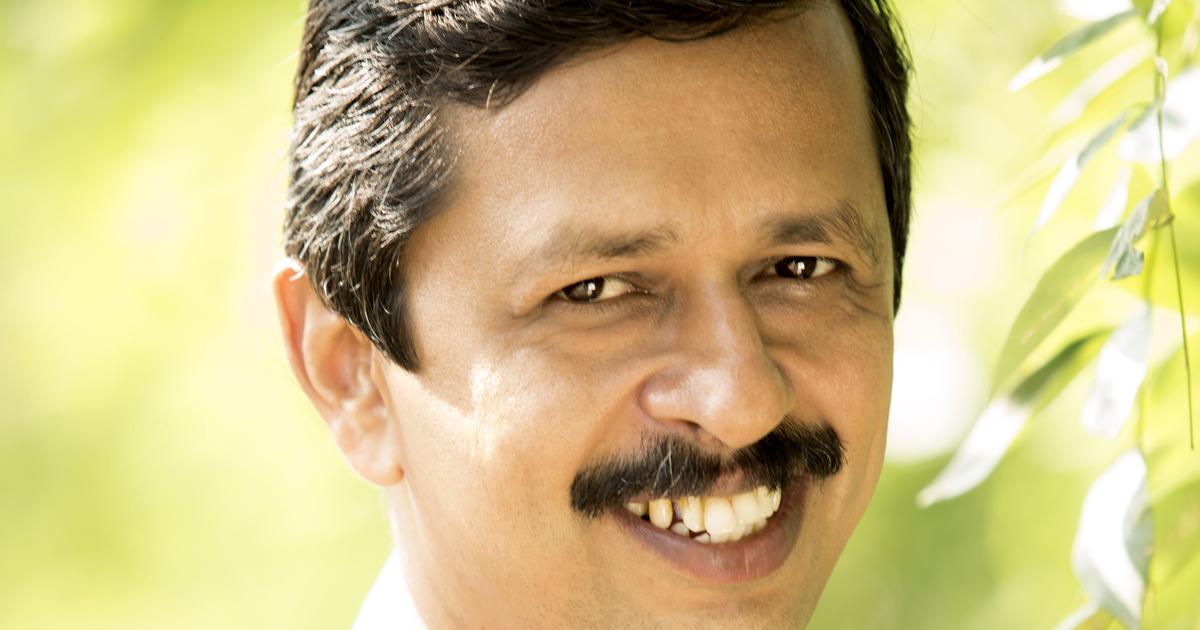
In the bustling heart of Mumbai, I forged lasting friendships with Suresh and Avinash back in 2005. Our bond blossomed within the confines of a local train group, where we shared not only our daily commute but also our youthful ambitions and humorous banter. Back then, the pressing matters of politics seemed distant, overshadowed by our shared struggles of squeezing onto the 8.59 am train and stretching our modest salaries to make it through the month. Our light-hearted talks often led to Suresh’s memorable quip, ‘Dost ek kutta hota hai’ – a friend is akin to a dog.
Fast forward to today, and I find myself wrestling with the unsettling reality that these once-unshakeable friendships may be faltering under the weight of political ideologies. What once united us has now become a source of deep division. It’s not that Suresh or Avinash have wronged me; rather, their unwavering support for Prime Minister Narendra Modi poses a challenge I no longer know how to navigate.
This situation transcends mere political disagreement; it has taken a turn towards moral conflict. While political divergences are commonplace, even essential for a thriving democracy, the way these differences have manifested in my relationships feels distinctly more profound. Suresh and Avinash are not bad people; in fact, they are caring friends who have been there for me through thick and thin. Suresh, always quick to lend a hand, and Avinash, whose kindness is apparent in every interaction, represent the qualities I cherish in my friends.
Over the years, we have celebrated life’s milestones together—birthdays filled with laughter, shared drinks that turned into memories, and countless cringe-worthy WhatsApp forwards that filled our days with humor. Yet, as I engage in conversations with them about the political landscape, I feel an invisible chasm widening between us. Their fervent support for Modi, which I once saw as a benign aspect of their personality, now feels like a fundamental divergence in our values.
As a society, we are witnessing an increasing polarization that seeps into our personal lives, challenging the bonds we have built over time. Friends who once shared dreams and experiences now find themselves on opposing sides of a moral divide. The question arises: Can friendships endure such ideological rifts? This is not just an anecdote about personal loss; it reflects a broader narrative that countless individuals in India are grappling with today. The weight of political identities can strain the fabric of our closest relationships, forcing us to confront uncomfortable questions about loyalty, understanding, and the essence of true friendship.
As I reflect on my own journey, I grapple with the idea of how to move forward. Can we still share a drink and reminisce about old times while silently navigating our differing beliefs? Or must we redefine our connections in light of our political convictions? It is a poignant reminder of the complexities of human relationships, especially in an era where political allegiance can overshadow personal ties.