




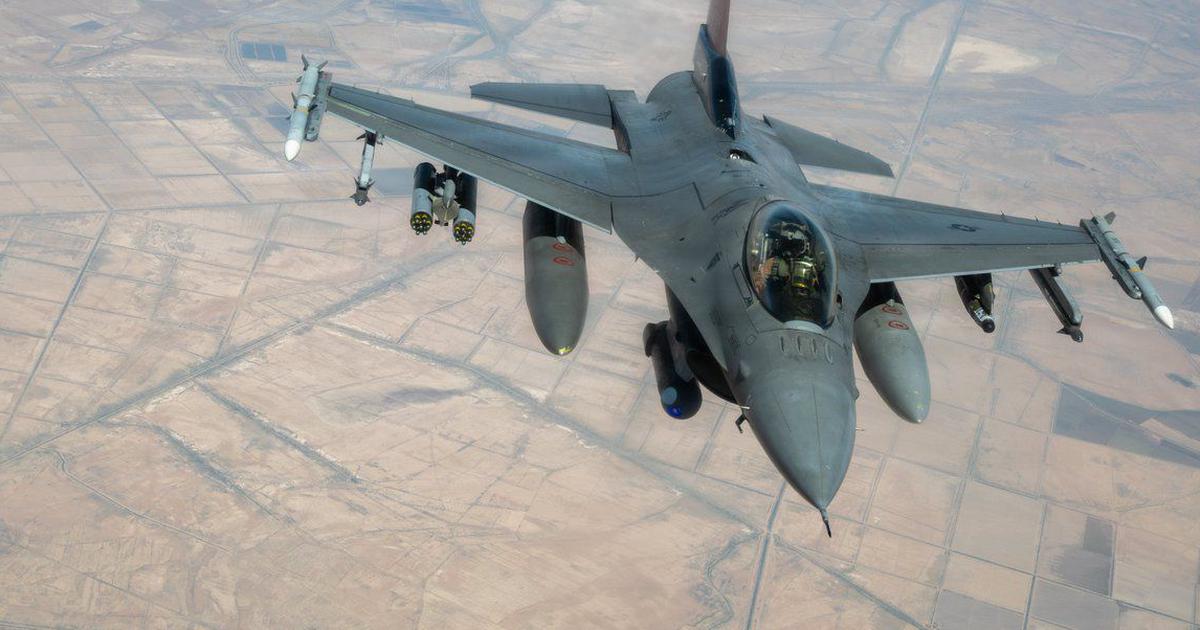
In a significant escalation of tensions in West Asia, the United States launched military strikes against Iran on Friday, just one day after a Singapore-flagged cargo ship was reportedly attacked in the strategic Strait of Hormuz. This incident has raised pressing concerns regarding the stability of ceasefire agreements in the region, as both nations continue to confront each other through military means.
The US Central Command confirmed that the airstrikes targeted Iranian facilities associated with missile and drone storage, as well as coastal radar installations. The military claims that Iran executed a drone strike against the cargo ship, MV Ever Lovely, while it was navigating near the Omani coast, a move that the US described as a blatant breach of international maritime protocols. “This unwarranted aggression by Iranian forces against commercial shipping is a clear violation of the ceasefire,” stated the US military in a press release.
As the world watches closely, the US has maintained that it will continue to offer navigational support to commercial vessels transiting the vital maritime corridor of the Strait of Hormuz, a critical artery for international trade. The strait serves as a major route for oil shipments, and disruptions here could have significant implications for global energy markets.
In a swift retaliation, the Islamic Revolutionary Guard Corps (IRGC) of Iran condemned the US strikes, accusing it of violating commitments and claiming that the attacks were unjustified. Iranian officials argued that the US action was a misguided attempt to deter Iran’s naval operations aimed at safeguarding its territorial waters. They further asserted that Iranian naval forces had responded by targeting positions of the US military in the region, intensifying the cycle of retaliation.
This confrontation at sea underlines the ongoing geopolitical tensions in the Middle East, where Iran and the US have been at odds over various issues, including Iran’s nuclear ambitions and its influence in the region. The incident has sparked fears of a broader military conflict, with potential repercussions not only for the involved nations but also for the broader international community.
The implications of this latest escalation could be significant for countries reliant on the Strait of Hormuz for energy supplies, including India. As one of the largest consumers of oil transported through this critical passageway, India’s energy security could be jeopardized if tensions continue to rise. Analysts suggest that the Indian government may need to engage in diplomatic efforts to ensure that its energy interests remain protected amidst this growing crisis.

