Navigating Legal Recognition for Gender-Fluid Lives in India: The Fight Against Section 377
The struggle for legal recognition of gender-fluid lives in India has been a long and arduous journey, particularly highlighted in 2006 when the Delhi High Court took up the challenge against the criminalization of homosexuality under Section 377 of the Indian Penal Code. At that time, a coalition named Voices Against 377 was mobilizing efforts to collect testimonial affidavits from individuals directly impacted by this draconian law. The previous dismissal of a public interest litigation in 2004 had demonstrated the judiciary’s reluctance to engage with personal narratives, branding them as overly academic and detached from the human experience.
With the revival of their case, the petitioners understood that they needed to present the law not as a mere legal abstraction but as a tangible force affecting real lives. However, this was no easy task. The climate of fear surrounding the criminalization of same-sex relationships meant that many individuals were hesitant to come forward. The act of signing an affidavit could expose them to societal ostracization and legal repercussions. When calls for testimonies were made, the response was dishearteningly sparse.
Recognizing the need for personal involvement, I found it increasingly challenging to ask others to share their stories while remaining silent myself. Ultimately, I decided to step forward and file my own affidavit, a decision echoed by a few other brave individuals. Our small group, representing a diverse spectrum of experiences—including gay men, members of the hijra community, and those identifying as kothis—gradually began to take shape.
Each affidavit captured unique narratives that illuminated the complexities of living under a law that criminalized their existence. These personal accounts were crucial in illustrating how Section 377 affected the lives of countless Indians, allowing the court to see beyond the legal arguments and into the heart of human experience. As we prepared to present these testimonies, it became evident that our stories were not just about legal battles; they were about the quest for dignity, acceptance, and the right to live authentically without fear.
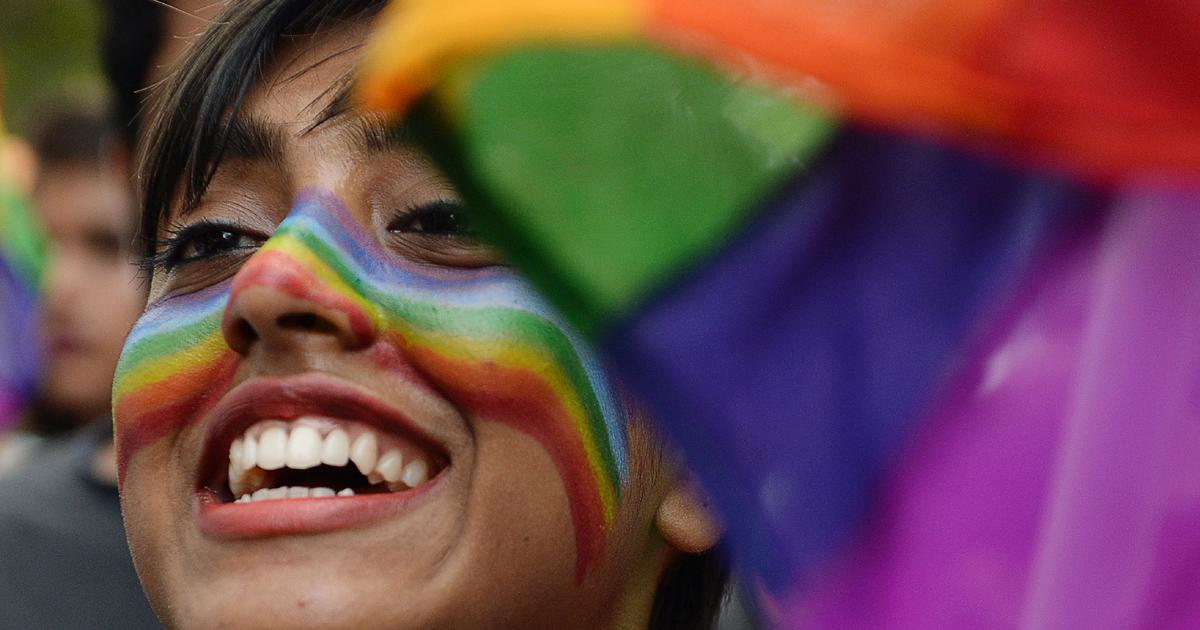
The journey towards making gender-fluid lives visible to the law remains paradoxical. While the legal system grapples with the notion of gender fluidity, the societal acceptance of diverse identities continues to evolve. The fight against Section 377 has sparked broader conversations about LGBT rights in India, illustrating the intersection between law, society, and individual identity. As we look ahead, it is imperative to ensure that the lived experiences of marginalized groups inform legal frameworks, fostering an environment of inclusivity and understanding.