ASDF The Day the Typewriter Went Silent

There was a time when learning to type was considered nearly as important as learning to write.
From the 1960s through the 1990s, typewriting institutes operated in towns across India. Their presence could often be heard before it was seen:
Click-clack. Click-clack. Ding!
Typists appeared to possess a special kind of office expertise. Machines manufactured by Remington, Godrej, Halda, Facit, Olivetti and others were fixtures in offices, banks, courts and railway stations.
At these institutes, students learned ASDF and JKL;, then practiced the QWERTY keyboard until their fingers could move without conscious thought. Typing required rhythm, accuracy and discipline. Errors meant using correction paper, erasers or, in some cases, retyping an entire page.
A skilled typist could make the machine seem almost musical: fingers moving rapidly, the carriage advancing, the bell ringing, followed by the satisfying zzzzzzip of the carriage returning.
Then came electronic typewriters, followed by the true revolution:
The computer.
Users could type, delete, copy, paste, change fonts and correct mistakes without correction fluid. Typewriting institutes gradually became computer centres. By the 2000s, typewriters had largely disappeared, and Godrej ceased manufacturing them in 2009.
But typing endured.
The typewriter disappeared. Typing didn't.
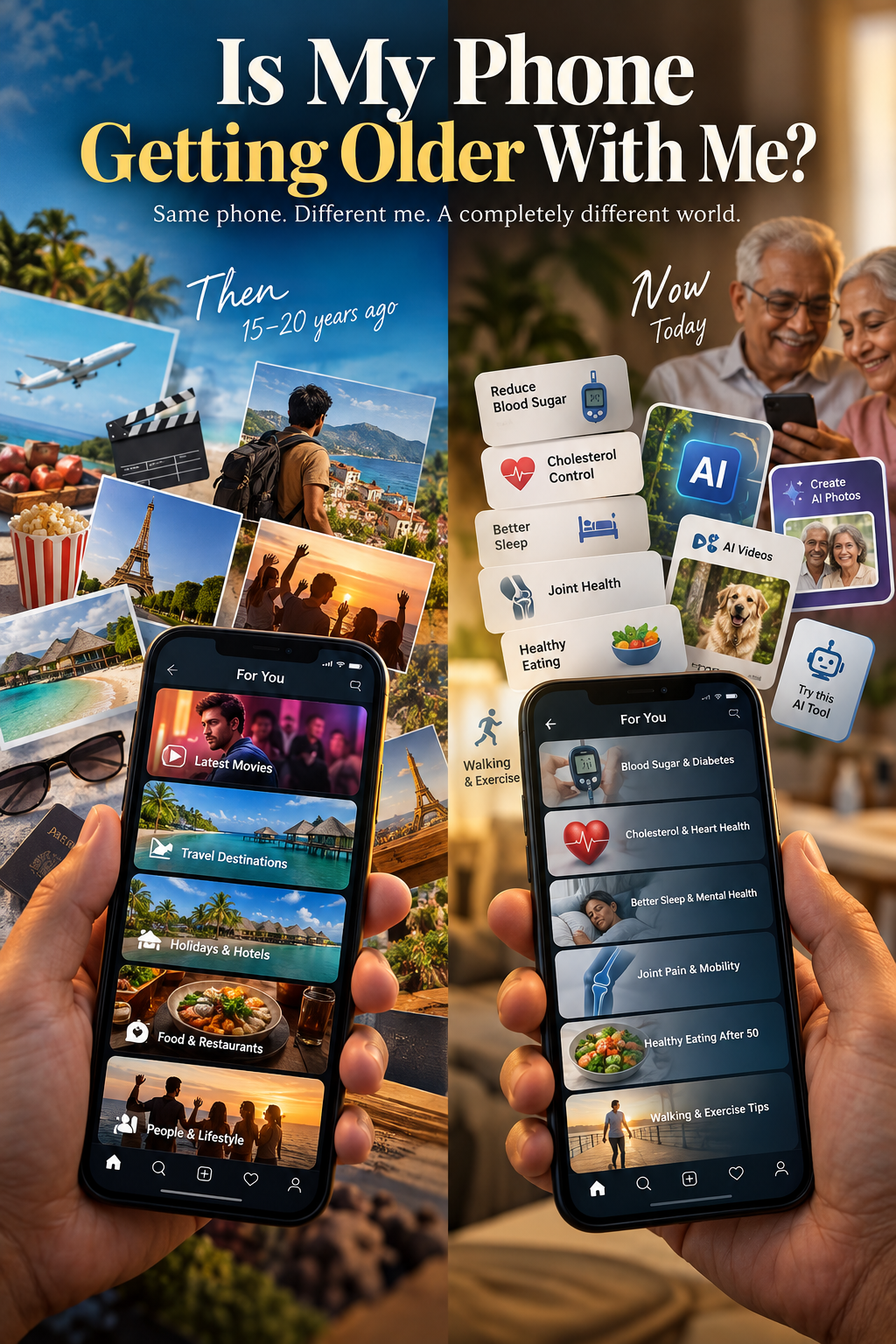
Computer keyboards replaced mechanical ones, followed by laptops, smartphones and voice-to-text technology. Children no longer learned ASDF and JKL; in classrooms; they simply began typing on screens.
Now, even typing is becoming less common. We dictate messages, send voice notes and rely on artificial intelligence to compose text for us.
Still, the faint click-click-click of a mechanical keyboard takes me back to those classrooms: rows of machines, ribbons, carbon paper and instructors calling out commands.
Technology did not announce the typewriter's demise. Institutes gradually disappeared, machines fell out of use, and typing became an automatic movement of the fingers.
We spent months learning to find A, S, D and F without looking. Children today grow up knowing where everything is.
Technology did not merely change the machine.
It changed us.
Somewhere, an old typewriter may still be waiting in a cupboard. Press a key, and it will respond:
Click.
Clack.
Ding.
And for a moment, an entire generation comes rushing back.