Chinese President concludes three-day U.S. state visit with focus on trade, AI and foreign policy
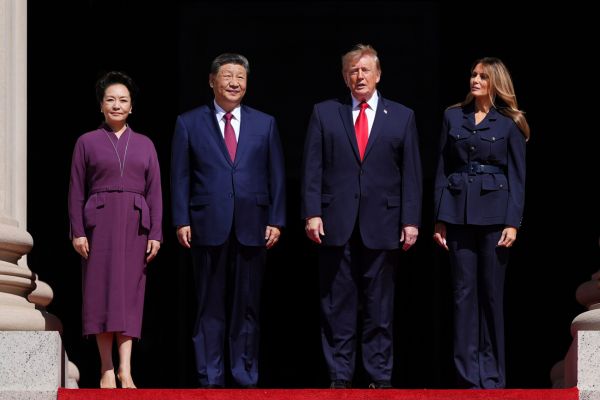
Trump-Xi Washington Meeting Focuses on Trade, AI and Foreign Policy
Chinese President Xi Jinping wrapped up a three-day state visit to Washington following discussions with U.S. President Donald Trump on trade, artificial intelligence and foreign policy. No major new agreements were announced during the visit.
Trump described his meeting with Xi as positive and said it was beneficial for both countries, including American farmers. Xi said he expects to meet Trump two more times before the end of 2026, according to reports.
The most concrete outcome came on trade, with the United States and China agreeing to extend their existing trade truce for another two months while negotiations continue. The extension keeps the arrangement in place into January. Earlier in the dispute, U.S. tariffs on Chinese goods had reached as high as 145%, while China had tightened restrictions on exports of rare-earth materials used in electronics, advanced manufacturing and other high-tech industries.
Artificial intelligence was also discussed during the visit. No major new AI agreement was announced. Xi said the United States and China share a responsibility to cooperate on the technology and ensure that it remains under human control. The United States has also proposed a mechanism for the two countries to alert each other about potentially dangerous AI incidents with national security implications.
Foreign policy discussions included the ongoing conflict involving Iran. Trump said he and Xi discussed the conflict, but no breakthrough was announced. Taiwan also remained among the sensitive issues in U.S.-China relations. Despite these unresolved matters, Trump highlighted his personal relationship with Xi and described it as a strong friendship.
Some trade analysts and critics said the meeting produced relatively few tangible outcomes beyond the trade-truce extension and plans for further discussions. The characterization of the visit as being “heavy on pomp and light on substance” reflects criticism from some observers rather than an established conclusion.