History of Navratri festival
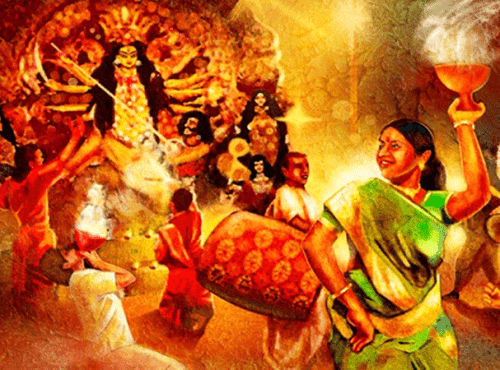
Navratri is a major Hindu festival celebrating the divine feminine (Shakti) and the victory of good over evil across nine nights and ten days. Navratri, meaning "nine nights," is one of the most important Hindu celebrations in India and Nepal. It takes place in the autumn, often around September or October. Navratri is dedicated to the worship of Goddess Durga and her nine manifestations, collectively known as Navdurga. The festival is celebrated with great zeal and devotion and holds significant importance in Hindu mythology and culture.
The origins of Navratri can be traced to ancient Hindu mythology, which tells the story of the demon king Mahishasura, who threatened the world. According to the legend, Mahishasura conquered the gods and drove them from heaven. In response, the gods invoked Goddess Durga, who emerged from their combined divine powers to fight Mahishasura.
Durga and Mahishasura fought for nine nights and ten days before Durga defeated the demon on the tenth day. This day is known as Vijayadashami or Dussehra and commemorates the victory of good over evil. Navratri is observed during the nine nights leading up to Vijayadashami, when devotees worship the nine forms of Goddess Durga and seek her blessings for prosperity and happiness.