
Kurshela's Hidden Wetland: A Paradise for Migratory Birds
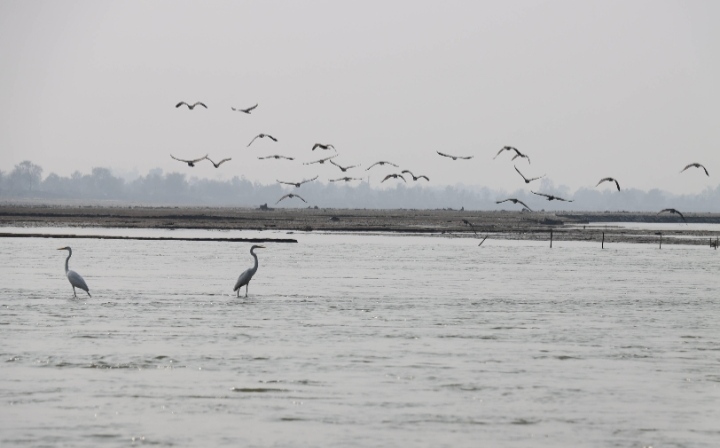
Kurshela's Hidden Wetland: A Natural Paradise Sustaining Migratory Birds and Biodiversity in Bihar
By: Rahul Kumar Mishra
Along the Naugachia–Purnia Road, near Kurshela in Bihar, lies a natural landscape that deserves greater attention. What may appear to be an ordinary stretch of waterlogged land could be an important wetland ecosystem influenced by the waters of the Kosi River.
During the monsoon season, floodwaters from the Kosi can spread across surrounding low-lying areas, creating aquatic habitats. Depending on local conditions, some of these areas may retain water beyond the monsoon, supporting aquatic vegetation, fish and birdlife. The duration of water retention and the wetland's ecological condition require systematic field observations.
A Gift of the Kosi River
The Kosi River is known for its changing course, annual floods and influence on the geography of northern Bihar. Although floods can create serious challenges for local communities, they also contribute to the formation and sustenance of floodplain wetlands.
The wetland near Kurshela may illustrate how natural flooding processes help maintain valuable habitats. Floodwaters can transport moisture, sediments and nutrients, supporting environments in which aquatic plants, fish, insects and other organisms thrive.
This relationship between the river, floodplain and wetland forms an important part of the region's natural environment.
A Potential Haven for Migratory Birds
One of the ecological features worth investigating at this wetland is its potential importance for resident and migratory birds.
Wetlands provide essential feeding, resting and, in some cases, breeding grounds for many bird species. During winter, migratory birds travel considerable distances in search of suitable habitats.
The wetlands of the Kosi floodplain may offer feeding and resting opportunities for migratory waterbirds. However, the presence of particular migratory species at Kurshela should be established through documented field observations and expert identification rather than assumed.
Recording bird species, their seasonal movements and their habitat requirements would help establish the wetland's importance for biodiversity and conservation.
More Than Just a Waterbody
The ecological value of wetlands can extend beyond their bird populations. Depending on their size, hydrology and environmental condition, they may perform several important functions:
- Providing habitats for fish and other aquatic organisms.
- Supporting resident and migratory birds.
- Retaining excess water during certain flood conditions.
- Contributing to groundwater recharge where local geological conditions permit.
- Sustaining aquatic vegetation and biodiversity.
- Supporting ecological processes across the surrounding floodplain.
For nearby communities, well-managed wetlands may also create opportunities for nature-based tourism, environmental education and sustainable livelihoods. Any such initiatives should prioritise ecological protection and the needs of local residents.
An Urgent Need for Conservation
Wetlands can face several threats, including waste dumping, plastic pollution, encroachment, unplanned construction and the degradation of natural water channels. If these pressures affect the Kurshela wetland, they could damage its habitat and reduce its ability to support aquatic biodiversity.
Local authorities, environmental organisations, researchers, citizens and nature enthusiasts should work together to assess and protect this natural landscape.
A systematic ecological survey could document bird species, seasonal water levels, aquatic biodiversity and the overall environmental condition of the wetland. Migratory birds should be identified through expert observation and photographic documentation wherever possible.
The relevant environmental authorities could also assess the site's ecological status and determine whether specific conservation measures are necessary.
A Natural Heritage Worth Protecting
Bihar is often discussed in the context of agriculture, rivers, floods and historical heritage. Its wetlands also deserve recognition as potentially valuable natural assets.
The wetland near Kurshela offers an opportunity to explore the ecological richness of the Kosi floodplain and highlight the importance of conserving natural habitats. Documenting its biodiversity and seasonal changes would help establish its environmental significance.
Protecting this landscape means looking beyond the appearance of waterlogged land and examining the life and ecological processes it may sustain.
Conserving Kurshela's wetland could contribute to protecting biodiversity and preserving the natural heritage of Bihar for future generations. Careful documentation, scientific assessment and community participation are important steps towards that goal.
Let us recognise, document and conserve this natural landscape of Bihar.