Rabindranath Tagore life HISTORY
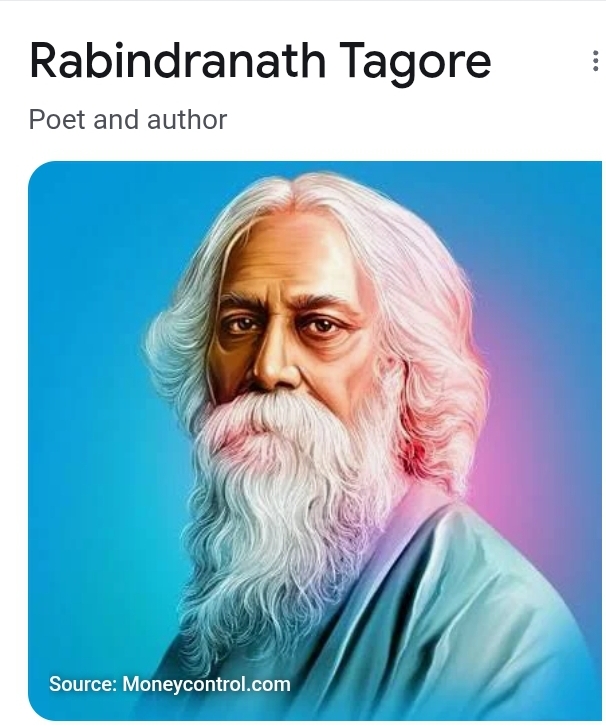
Rabindranath Tagore: Life and Contributions
Rabindranath Tagore was a renowned Indian poet, novelist, playwright, composer, philosopher, and painter. His contributions to literature, music, education, and art earned him international recognition. He became the first non-European Nobel laureate in Literature in 1913.
Birth and Family
- Birth: May 7, 1861, at the Jorasanko Tagore family residence in Kolkata, then known as Calcutta.
- Father: Maharshi Debendranath Tagore.
- Mother: Sarada Devi.
Education and Literary Career
Tagore did not enjoy conventional classroom education and received much of his early education at home under private tutors. He began writing poetry at a young age and went on to become one of the most influential literary figures in Indian history.
His notable works include poetry collections such as Gitanjali, Sonar Tari, Chitra, and Balaka; novels such as Chokher Bali, Gora, and Ghare Baire; and plays such as Raktakarabi and Dak Ghar. He also composed thousands of songs that became known collectively as Rabindra Sangeet.
Nobel Prize in Literature
In 1913, Tagore received the Nobel Prize in Literature, primarily in recognition of the English version of his poetry collection Gitanjali (Song Offerings). He was the first non-European to receive the Nobel Prize in Literature.
Shantiniketan and Visva-Bharati
In 1901, Tagore established an educational institution at Shantiniketan in present-day West Bengal. It began as a school based on his educational philosophy and later became part of the broader Visva-Bharati initiative. Visva-Bharati was formally established in 1921, promoting a meeting of Indian and international cultures through education and the arts.
Contribution to National Anthems
Tagore wrote and composed Jana Gana Mana, which later became India's national anthem. He also wrote Amar Sonar Bangla, which was adopted as the national anthem of Bangladesh. His songs continue to hold a significant place in the cultural heritage of both countries.
Knighthood and the Jallianwala Bagh Massacre
In 1915, the British government conferred a knighthood on Tagore. In 1919, following the Jallianwala Bagh massacre, he renounced the title in protest against the British government's actions.
Personal Life
Tagore married Mrinalini Devi in 1883. His personal experiences, cultural surroundings, and philosophical ideas influenced many of his literary and artistic works.
Death and Legacy
Rabindranath Tagore died on August 7, 1941, at his ancestral home in Jorasanko, Kolkata, at the age of 80. His enduring contributions to literature, music, education, and art continue to influence readers, artists, and educators around the world.